
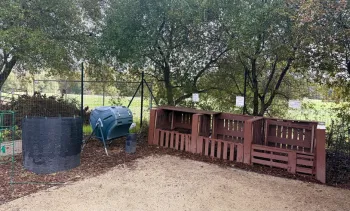
Composting is a natural process that transforms everyday organic waste—like food scraps, leaves, and yard trimmings—into nutrient-rich soil. By allowing these materials to break down in the presence of air, moisture, and helpful microorganisms, composting mimics the way nature recycles nutrients in forests and fields. Instead of sending biodegradable waste to landfills where it decomposes slowly and produces Greenhouse gases, composting puts those materials back to work.
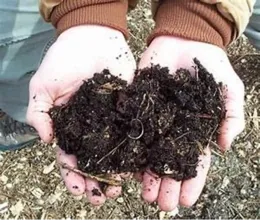
For households and communities, composting is simple to start and easy to maintain. A basic compost setup needs a balance of “greens,” such as fruit peels and coffee grounds, and “browns,” like dried leaves, cardboard, or paper. Mixing materials occasionally and keeping them lightly moist helps them break down faster. Whether you use a backyard pile, a bin, or a countertop system, the process can be adapted to fit almost any living situation.
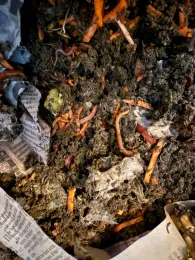
The end result of composting is a dark, crumbly material called black gold, which acts as a natural fertilizer for gardens, lawns, and potted plants. Adding compost improves soil structure, helps retain water, and supports healthier plant growth—all without the need for chemical fertilizers. By composting, individuals reduce waste, cut greenhouse gas emissions, and contribute to a more sustainable environment right from home.