
Lime in Tuolumne County Gardens and History
written by UCCE Master Gardener Nancy Piekarczyk
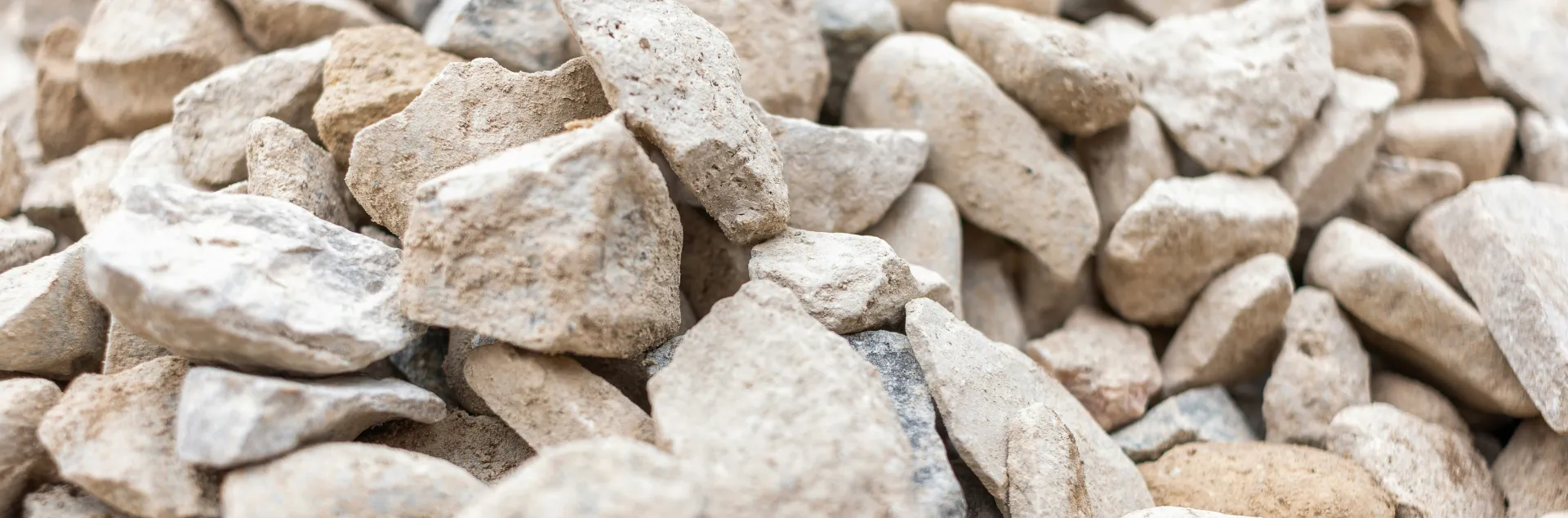
Tuolumne County—in the past and present—is a significant producer of lime and dolomitic lime. The stone is used for construction, agriculture and making slaked lime for mortar and plaster. Currently there is a lime mine close to Columbia off Parrot’s Ferry Road and, until 1996, there was one within a mile of Highway 108 on Lime Kiln Road. In 1936, 60% of the lime used in California came from the Pacific Lime and Plaster Company, which was the largest employer in Tuolumne County. The area around Lime Kiln Road produced slaked lime during the gold rush and building boom of the 19th century.
If your water is from a well instead of mountain runoff, you may have fairly high pH due to the presence of lime. If your water contains dolomitic line, it will also contain magnesium. Magnesium is a necessary nutrient for plants, but the ratio between calcium and magnesium is important. If there’s too much magnesium, plants can’t take up enough calcium. This may be why you get blossom end rot even though you think you have plenty of calcium in your soil. You can add about 3 pounds of finely ground gypsum per 100 square feet of soil to improve this problem. It will raise calcium levels and not further raise pH.
If you have either type of lime in your water, your soil pH may become excessively high. Most vegetables like a pH between 6.2 and 6.5, which is slightly acid. Gardens in this area often have higher pH due to the lime in the irrigation water. One indication of lime in your water is white residue when irrigation water evaporates.
Roses prefer the extra magnesium in dolomitic limestone. This is the mineral they’d get from Epsom salts. If you have water with dissolved dolomitic limestone in it, Epsom salts can give roses too much magnesium.
Most vegetables and many other plants prefer slightly acid soil. If you water your plants all summer with alkaline water, it contains minerals that will break down and raise pH. Your plants may benefit from a sightly acid fertilizer. Do not, however, just give plants the amount of fertilizer recommended for true acid loving plants. (Many acid-loving plants want a pH around 5. pH is a logarithmic scale, so 5.0 is 100x more acid than neutral pH 7.0). If, like me, your well water has a pH of 7.8 with obvious white residue when it evaporates, you may want to use 10% fertilizer for acid loving plants and the balance standard fertilizer.
A soil test is always the best way to determine what your soil needs. Remember, if the pH or magnesium levels are being changed by water you are adding, it won’t show up in ground that hasn’t been irrigated. And a lot of what’s put in your soil via irrigation water may have washed from the upper soil after winter rains. A late summer test of soil from a heavily irrigated bed showing problems would give you the best indication that this (or something else) is the cause of problems in your garden.
Nancy Piekarczyk is a University of California Cooperative Extension Master Gardener of Tuolumne County. UCCE Central Sierra Master Gardeners can answer home gardening questions, from rainwater tanks to drought-resistant plants. Call 209-533-5912 in Tuolumne County, 209-754-2880 in Calaveras County or fill out our questionnaire at (Ask a Master Gardener). Check out our webpage at https://ucanr.edu/site/uc-master-gardeners-central-sierra You can also find us on Facebook and on the radio at kaad-lp.org or 103.5 FM on Motherlode Community Radio.