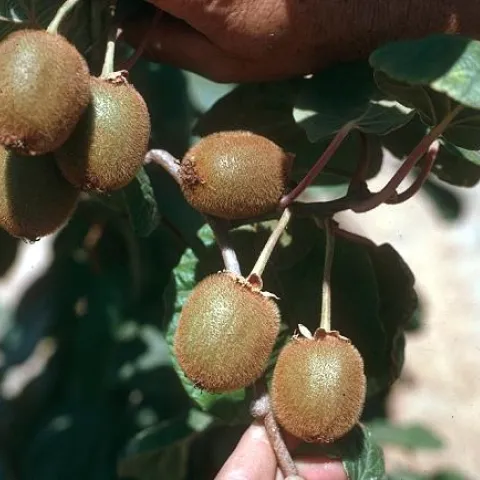
When to plant: January to March (bareroot)
Harvest window: October to November, depending on variety
Fertilization: Regular nitrogen feeding during the first half of the growing season
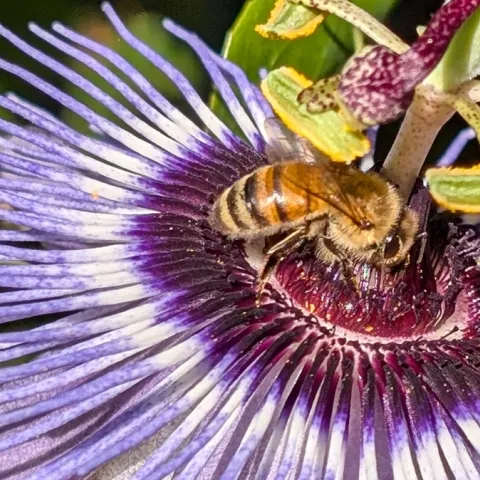
Provide a sturdy trellis or arbor for the wide-spreading (up to 30 feet) deciduous vine.
August gardening tips are categorized by To-Dos, What to Plant, or Pests and Diseases. Scroll through the list to see items in each category. Also, refer to tips for other months or our list of tips useful for any month.
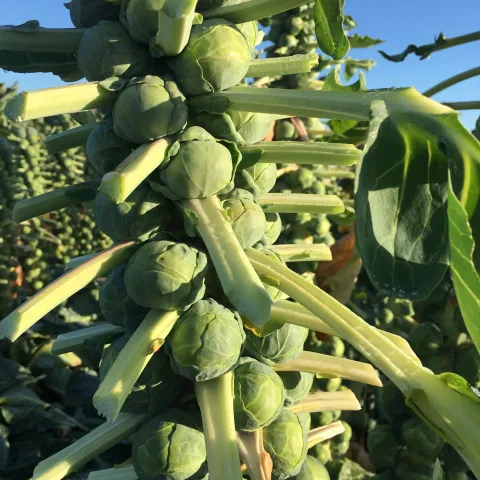
Brussels sprouts are a cool season crop, preferring temperatures under 70º F. Sprouts maturing in hot weather and/or dry conditions are more likely to develop bitterness. Transplant seedlings 24 inches apart in July to August, possibly September depending on weather and local conditions.
Prune grapes and roses. Cleanup: remove mummy fruit and blighted limbs on stone fruit to reduce brown rot. Remove and destroy fallen leaves to reduce peach leaf curl. Mulch cane berries, cut out all old canes and reset new canes in twine.
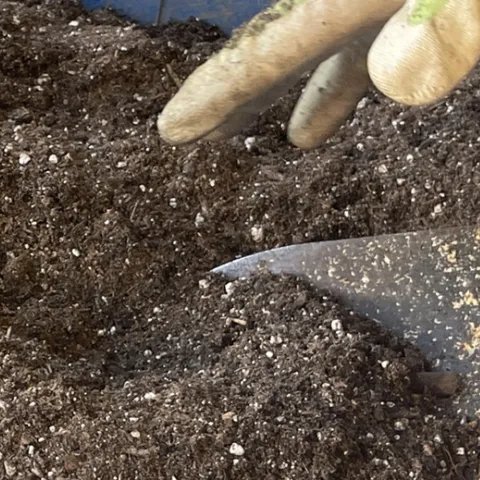
Decomposition occurs naturally over time, affecting all organic matter. Managing the process for soil improvement in a compost pile provides rich organic material for the garden.
Thank you for considering a gift to help the UC Master Gardener Program of Sonoma County flourish for future generations. Our vision is to cultivate environmental stewardship one garden at a time.
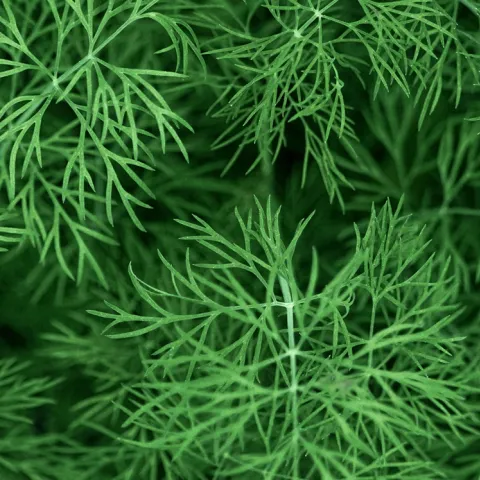
If you allow dill to flower, leaf production will cease; when it sets seed, the plant dies. Therefore, plan your dill harvest based on whether you want to use fresh dill in recipes, preserve leaves (dill weed) and/or preserve seed.
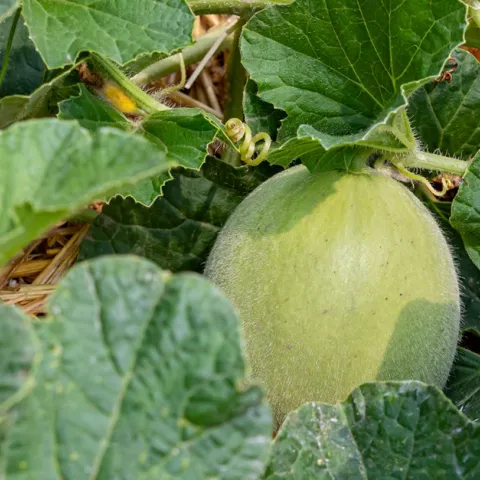
Melons thrive in fertile, fast-draining soil fortified with organic matter that holds ample moisture during long, hot summer months. In Sonoma County, not all micro-climates support melon growth.