Gardening

Primary Image
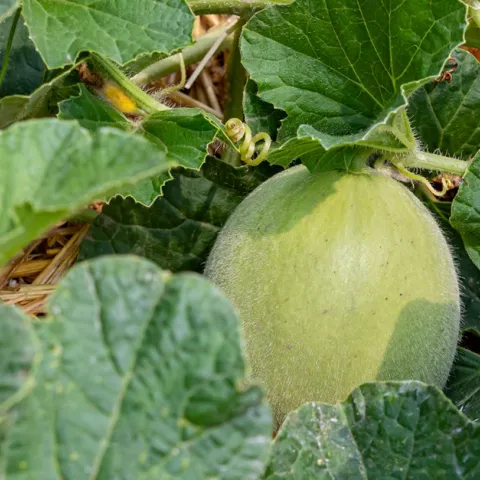
growing melon in Sonoma County home garden
UC Master Gardener Program of Sonoma County: Page

Melons

Melons thrive in fertile, fast-draining soil fortified with organic matter that holds ample moisture during long, hot summer months. In Sonoma County, not all micro-climates support melon growth.
View Page
Primary Image
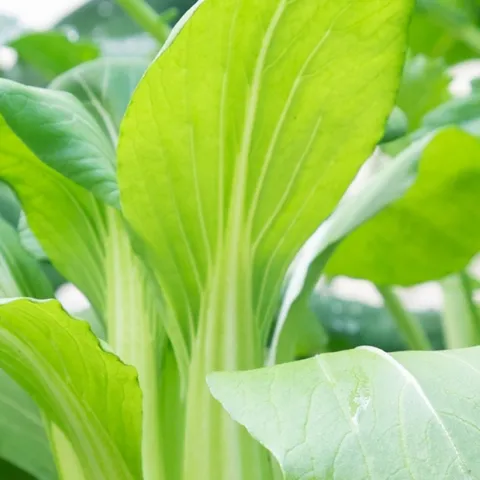
expert tips for growing Asian greens in the Sonoma County home garden
UC Master Gardener Program of Sonoma County: Page

Asian Greens

These leafy vegetables are easy to grow in cool weather, spring or fall, in Sonoma County. Plants in an array of colors enliven the garden in the off-season, often indicating spiciness and aroma in the kitchen. Asian greens are known by alternate plant names in different cultures.
View Page
Primary Image
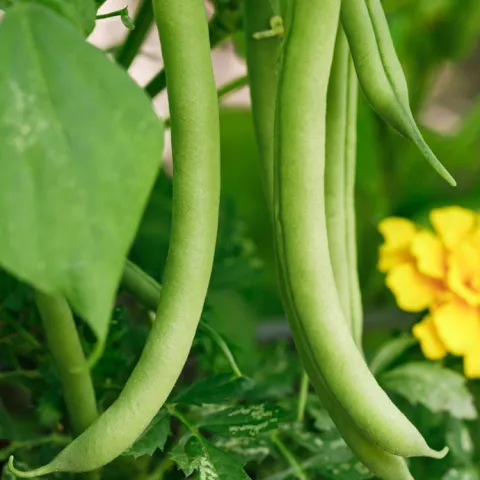
growing green beans in the Sonoma County home garden
UC Master Gardener Program of Sonoma County: Page

Green Beans

A favorite in the summer garden, green beans are also called snap beans and string beans although modern varieties nearly always lack a string-like layer on the underside of pods. Choose bush varieties for early maturity with no need for support.
View Page
UC Master Gardener Program of Alameda County: Page

Enchanting Plants or Garden Thugs?

Learn about garden thugs—ornamental plants that become invasive under the right conditions and spread aggressively, disrupting your garden and your neighbor's.
View Page
UCCE Central Sierra: Page

Central Sierra: Calendar

UC Central Sierra programming includes virtual and on-line training as well as in-person classes and workshops in Amador, Calaveras, El Dorado, and Tuolumne Counties.
View Page
Primary Image
tools
UC Marin Master Gardeners: Page

Tools

Gardening tools and equipment Photo: Das Ant The right tool makes working in the garden more pleasurable. Always purchase the best quality tool since it is well worth the investment. Avoid tools that are too heavy or too light, which may not hold up under continuous use.
View Page
UC Marin Master Gardeners: Page

Meet the Pollinators

Bees are our most important pollinators. Most are solitary bees that live independently, not the bumble bees or honey bees we are more familiar with. Bees visit flowers for the pollen or nectar, which supply the nutrients they need.
View Page
Primary Image
Apricot tree
UC Marin Master Gardeners: Page

Fruit Trees

Tom Swinnen, Pexels Fruit trees need suitable climates, well-drained soil, proper planting, and maintenance throughout the season. It takes some planning and work to get them established, but once you do it's a joy to pick fruit fresh from the garden. Here's how to create your very own home orchard.
View Page