UC ANR is committed to providing an accessible and inclusive web experience for all users. If you encounter an accessibility barrier or need content in an alternative or remediated accessible format, please contact anraccessibility@ucanr.edu.
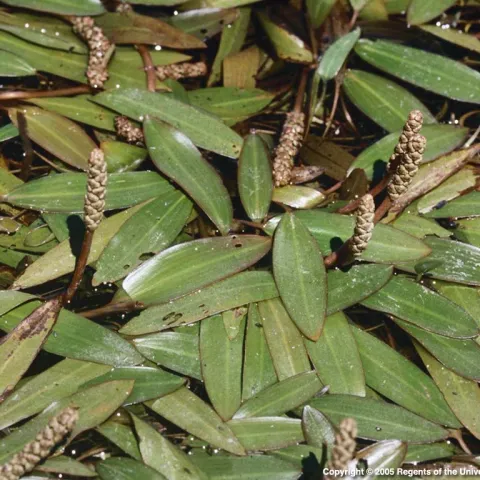
You may not see them, but small hitchhikers can cling to your boats, trailers, fishing gear, kayaks, and paddleboards. These hitchhikers are aquatic invasive species like plants, fish, and mussels. Once introduced to a body of water, they can displace native species, clog motors, damage water delivery…
While bringing firewood from home for your weekend camping trip may seem harmless, many invasive pests can hide in firewood and cause serious harm to California’s forests and urban landscapes. You can help limit the spread of these unwanted hitchhikers by collecting or buying firewood close to where you plan…
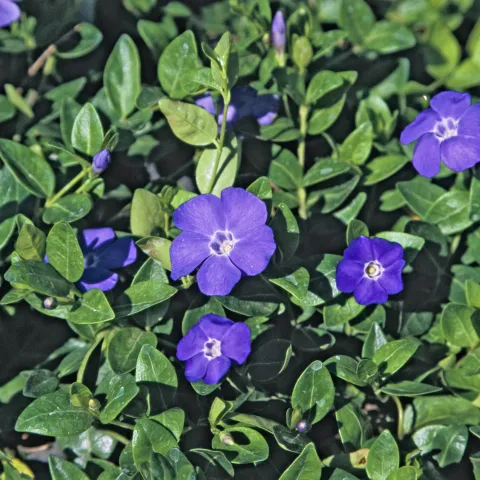
Be on the lookout for invasive species threatening California! While state and federal agencies actively monitor for new invasive pests, the public serves a critical role in early detection and often are the ones who find new invasive species first. During California Invasive Species Action Week …
Authors: Maya Shydlowski, Caitlin Peterson, Josh Hegarty, Mark Lundy---Over 500,000 acres of farmland in California are expected to come out of production by 2040 because of water limitations from drought and state regulations. While some of this land may be put to other uses, much of this acreage could be…
Peer-Reviewed PublicationsRamon Saiz-Rodriguez, Samuel Sandoval Solis, Laura Garza-Diaz, et al. (2025) Resilient Flow Regimes in the Rio Grande – Río Bravo Basin. Authorea. January 23, 2025. 10.22541/au.173766585.55064692/v1Garza-Diaz, L.E., and Sandoval-Solis, S (2022). Changes in stability landscapes of a…
Invasive species. What does that mean? Invasive species are non-native pests that harm California’s natural areas, public health, and economy. To raise awareness about these pests, UC IPM joins other state agencies to promote the annual California Invasive Species Action Week (CISAW), which goes from June 7…
Las copas de los árboles urbanos (UTC), es decir, las capas de hojas, ramas y tallos que cubren el suelo en las ciudades, son herramientas esenciales para gestionar las aguas pluviales, en particular en zonas urbanas densas como las del sur de California. En paisajes dominados por superficies…
Urban tree canopies (UTCs), i.e, the layers of leaves, branches, and stems that cover the ground in cities, are essential tools in managing stormwater, particularly in dense urban areas like those across Southern California. In landscapes dominated by impermeable surfaces such as pavements and rooftops,…
Garden Help > Vegetables Luffa, also known as loofah, is a member of the cucurbit family (Curcurbitaceae), along with cucumber, melons, and squash. There are two main species: smooth luffa (Luffa aegyptiaca) and angled luffa with ridges running lengthwise (Luffa acutangula). They are fast…