A Natural Solution for California's Herds: African Catfish Peptides

California's cattle producers and agricultural communities are all too familiar with the rising challenge of antibiotic resistance, making common bacterial infections harder to treat in livestock. But imagine a future where we could tackle these infections with a natural, powerful alternative. Our research points to just that: antimicrobial peptides (AMPs) found in African catfish.

We're really excited about these peptides because African catfish thrive in pathogen-rich freshwater, naturally producing these robust immune compounds in their skin mucus as a defense. This natural origin makes them highly appealing alternatives to synthetic drugs.

Predicted Safety and Potent Action

One of the most compelling aspects of these AMPs is their predicted safety for mammals. Our initial computer analyses suggest that various catfish AMPs are generally recognized as safe (GRAS). We predict they'll be absorbed in the human intestine without causing liver, brain, or heart toxicity. Furthermore, lab tests on a promising peptide, NACAP-II, confirmed it was non-hemolytic, meaning it didn't damage rabbit red blood cells—a strong indicator of its potential safety for mammalian cells.

Beyond safety, these peptides demonstrate effectiveness against problematic bacteria. One study revealed NACAP-II's strong activity against Extended-Spectrum Beta-Lactamase (ESBL)-producing Escherichia coli—a critical concern for both animal and human health due to its resistance to many common antibiotics. Another peptide, ACAP-IV, also showed antibacterial activity against E. coli and Staphylococcus aureus. We believe these AMPs work by directly disrupting bacterial cell membranes, a mechanism that makes it harder for bacteria to develop resistance compared to how they resist traditional antibiotics.

Primary Image
Bright orange daisy-like flower
UC Master Gardeners of Santa Clara County: Page

Spring Garden Fair Ornamentals

Spring Garden Fair ornamentals decriptions. The flowers and other ornamental plants we offer at the Spring Garden Fair have been trialed in our research gardens to select varieties that perform particularly well in our climate, with an eye toward those that are beautiful and long-lasting in flower…
View Page
Primary Image
Succulent Arrangements for Sun, Laura Balaoro
UC Master Gardeners of Santa Clara County: Page

Succulent Sales

Events Calendar Succulents thrive both in containers and in the ground. For information on caring for succulents, see our succulents help page.This is a list of  succulents we are currently offering or have offered in the past. Please understand that our inventory varies. This list shows succulents…
View Page
Primary Image
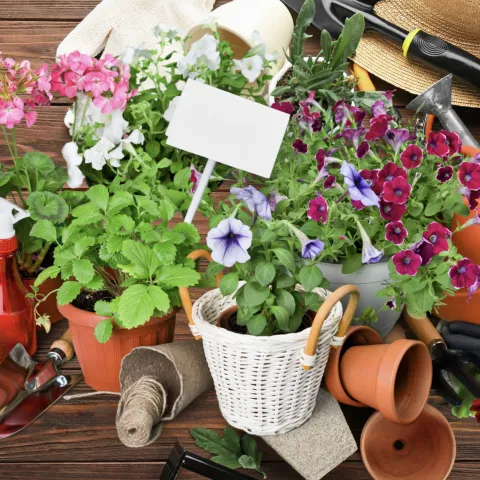
plants, pots, and gardening hand tools
UC Master Gardeners of Santa Clara County: Page

Spring Garden Fair Gardening Talks 2026

Join us for these great gardening talks and get your questions answered afterward. Talks will be held outdoors on our parcel. Most will last about 45 minutes. Let our free Plant Sitting booth watch your purchases while you attend talks or visit the gardens.
View Page
Primary Image
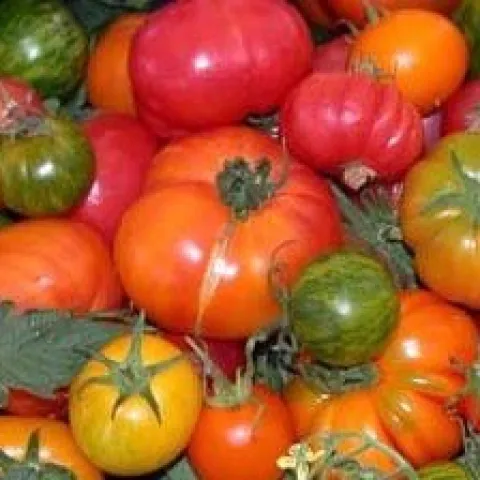
Tomatoes
UC Master Gardeners of Santa Clara County: Page

Growing Great Tomatoes

Tomatoes do best planted in full sun all day, although they will usually produce some crop with less. If your plants have had symptoms of disease in previous years, it is important to plant in soil that has not grown tomatoes or their relatives such as peppers or eggplants for three or more years.
View Page
Primary Image
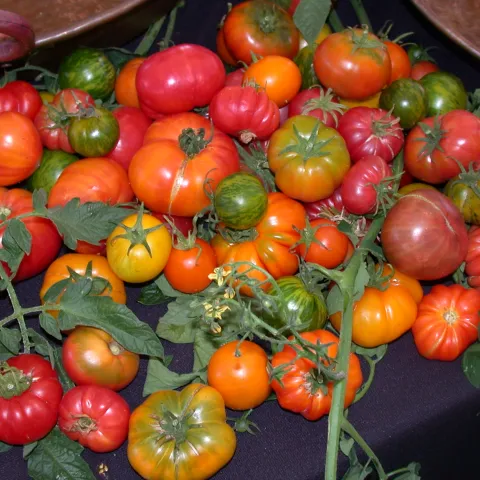
Tomato fest Karen Schaffer
UC Master Gardeners of Santa Clara County: Page

High Density Tomato Growing

Too many tomatoes to choose from? Can’t make up your mind? Consider High Density Tomato Growing, a great technique for anyone who wants to try lots and lots of varieties. Some advice: Plant two different tomato seedlings together in a single cage.
View Page
Primary Image
SMall chalkboard with he words "Gardening Tips" handwritten on it
UC Master Gardeners of Santa Clara County: Page

January Tips

January gardening tips for Santa Clara County, categorized by To-Dos, What to Plant, or Pests and Diseases. Tips are available for each month, as well as tips that are applicable for every month.
View Page
Primary Image
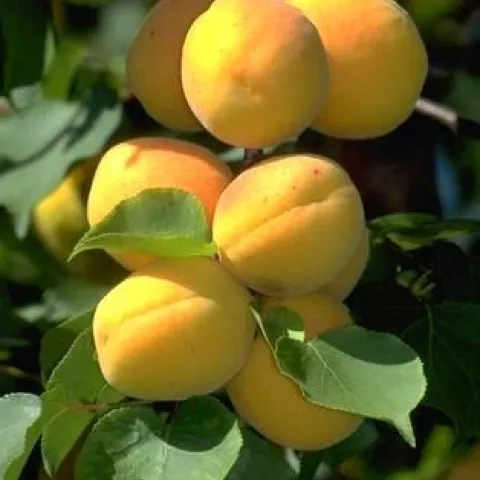
Apricots on tree
UC Master Gardeners of Santa Clara County: Page

Apricot

When to plant: January to early February Harvest window: June to July, depending on variety Fertilization: Nitrogen in spring, additional applications based on tree age, health, and soil quality Prune in summer (after harvest through early September)
View Page
Primary Image
SMall chalkboard with he words "Gardening Tips" handwritten on it
UC Master Gardeners of Santa Clara County: Page

February Tips

February gardening tips for Santa Clara County, categorized by To-Dos, What to Plant, or Pests and Diseases. Tips are available for each month, as well as tips that are applicable for every month.
View Page
Primary Image
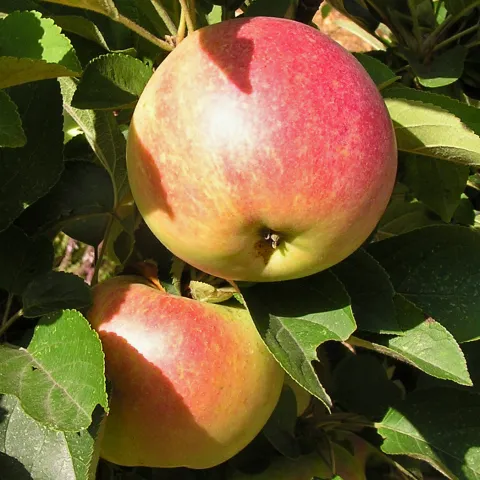
Fruits & Nuts
UC Master Gardeners of Santa Clara County: Page

Apple

When to plant: January through March Harvest window: July through October, depending on variety Fertilization: Nitrogen in spring, additional applications based on tree age, health, and soil quality Dormant Pruning (January and February) to encourage vigor; Summer pruning (post-harvest) to control vigor
View Page
Primary Image
Master Gardener logo
UC Master Gardeners of Santa Clara County: Page

Tips & Events Newsletter

Garden HelpOur popular, once-a-month Tips & Events newsletter includes timely gardening tips, reminders about important garden tasks, alerts to possible pests, and a list of our upcoming talks, plant sales, and other events. Sign up below. You can also browse past tips or past newsletters.Browse our tips…
View Page