A Natural Solution for California's Herds: African Catfish Peptides

California's cattle producers and agricultural communities are all too familiar with the rising challenge of antibiotic resistance, making common bacterial infections harder to treat in livestock. But imagine a future where we could tackle these infections with a natural, powerful alternative. Our research points to just that: antimicrobial peptides (AMPs) found in African catfish.

We're really excited about these peptides because African catfish thrive in pathogen-rich freshwater, naturally producing these robust immune compounds in their skin mucus as a defense. This natural origin makes them highly appealing alternatives to synthetic drugs.

Predicted Safety and Potent Action

One of the most compelling aspects of these AMPs is their predicted safety for mammals. Our initial computer analyses suggest that various catfish AMPs are generally recognized as safe (GRAS). We predict they'll be absorbed in the human intestine without causing liver, brain, or heart toxicity. Furthermore, lab tests on a promising peptide, NACAP-II, confirmed it was non-hemolytic, meaning it didn't damage rabbit red blood cells—a strong indicator of its potential safety for mammalian cells.

Beyond safety, these peptides demonstrate effectiveness against problematic bacteria. One study revealed NACAP-II's strong activity against Extended-Spectrum Beta-Lactamase (ESBL)-producing Escherichia coli—a critical concern for both animal and human health due to its resistance to many common antibiotics. Another peptide, ACAP-IV, also showed antibacterial activity against E. coli and Staphylococcus aureus. We believe these AMPs work by directly disrupting bacterial cell membranes, a mechanism that makes it harder for bacteria to develop resistance compared to how they resist traditional antibiotics.
South American Palm Weevil: Page

Publications & Links

USDA Publications Anon. 2012. Rhynchophorus palmarum. USDA Factsheet. Bech, R. (2011) Detection of South American palm weevil (Rhynchophorus palmarum) in California. El-Lissy, O. (2012) Detection of South American palm weevil (Rhynchophorus palmarum) in Texas. El-Lissy, O.
View Page
South American Palm Weevil: Page

Contact Us

Mark Hoddle, CISR Director Mark.hoddle@ucr.edu (951) 827-4714 9335 Hazard Way, Suite 201 San Diego, CA 92123 (858) 822-7711 Jan Gonzales, Program Coordinator jggonzales@ucanr.edu (858) 822-7718 Stacy Hishinuma, Entomologist shishinuma@fs.fed.us (909) 382-2620 Dr. Amy Roda, Entomologist amy.L.
View Page
South American Palm Weevil: Page

Resources

Palm Tree Management Techniques for managing South American Palm Weevil (SAPW) in your palm trees.
View Page
South American Palm Weevil: Page

What You Can Do

Your participation can help slow and mitigate the spread of SAPW in Southern California.
View Page
South American Palm Weevil: Page

Report SAPW Symptoms

Under a collaborative program, agencies and organizations are working together to determine the distribution, impact and possible prevention methods of tree mortality caused by SAPW. Complete the survey linked below and include any photos of infestation symptoms your palm may have.
View Page
South American Palm Weevil: Page

Trainings & Workshops

To raise awareness about SAPW threats, mitigation, and management, UCCE San Diego coordinates and hosts informational workshops in collaboration with regional partners. Bookmark this page for information on SAPW workshops, webinars, and field-training activities.
View Page
Primary Image
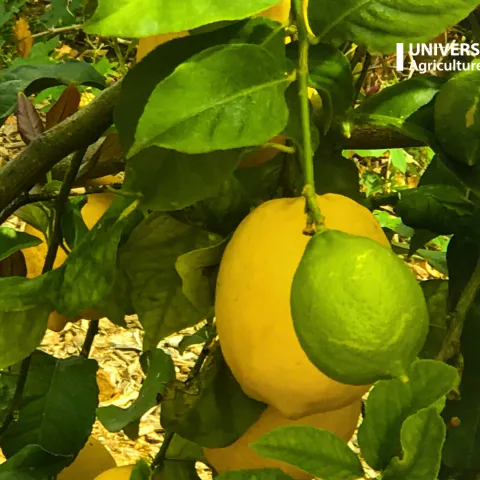
A lemon tree at Lindcove Research and Extension Center
Communications Toolkit: Page

Training

UC ANR Strategic Communications regularly provides training in media relations, social media, videography, communication best practices, branding, and outreach to the Latino community.
View Page
Communications Toolkit: Page

Communicators Network sessions

The UC ANR Communicators Network hosts sessions on communications best practices, media relations, social media, and outreach. Recordings of past sessions are available.
View Page
Primary Image
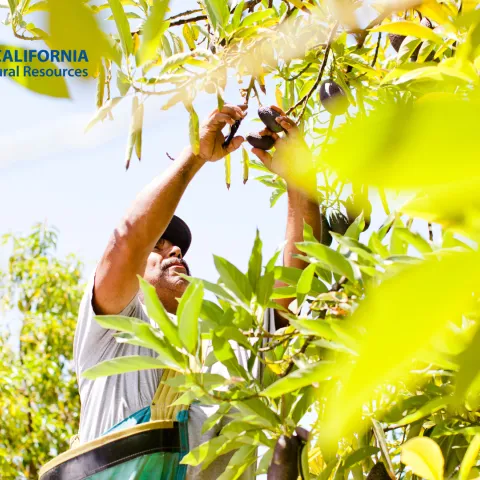
Harvesting avocados
Communications Toolkit: Page

Work With Us

The UC ANR Publications and Strategic Communications team offers professional services in creative production, Spanish-language outreach, media relations, social media support, and training. Visit Contact Us to reach the right team member for your project.
View Page