A Natural Solution for California's Herds: African Catfish Peptides

California's cattle producers and agricultural communities are all too familiar with the rising challenge of antibiotic resistance, making common bacterial infections harder to treat in livestock. But imagine a future where we could tackle these infections with a natural, powerful alternative. Our research points to just that: antimicrobial peptides (AMPs) found in African catfish.

We're really excited about these peptides because African catfish thrive in pathogen-rich freshwater, naturally producing these robust immune compounds in their skin mucus as a defense. This natural origin makes them highly appealing alternatives to synthetic drugs.

Predicted Safety and Potent Action

One of the most compelling aspects of these AMPs is their predicted safety for mammals. Our initial computer analyses suggest that various catfish AMPs are generally recognized as safe (GRAS). We predict they'll be absorbed in the human intestine without causing liver, brain, or heart toxicity. Furthermore, lab tests on a promising peptide, NACAP-II, confirmed it was non-hemolytic, meaning it didn't damage rabbit red blood cells—a strong indicator of its potential safety for mammalian cells.

Beyond safety, these peptides demonstrate effectiveness against problematic bacteria. One study revealed NACAP-II's strong activity against Extended-Spectrum Beta-Lactamase (ESBL)-producing Escherichia coli—a critical concern for both animal and human health due to its resistance to many common antibiotics. Another peptide, ACAP-IV, also showed antibacterial activity against E. coli and Staphylococcus aureus. We believe these AMPs work by directly disrupting bacterial cell membranes, a mechanism that makes it harder for bacteria to develop resistance compared to how they resist traditional antibiotics.

Primary Image
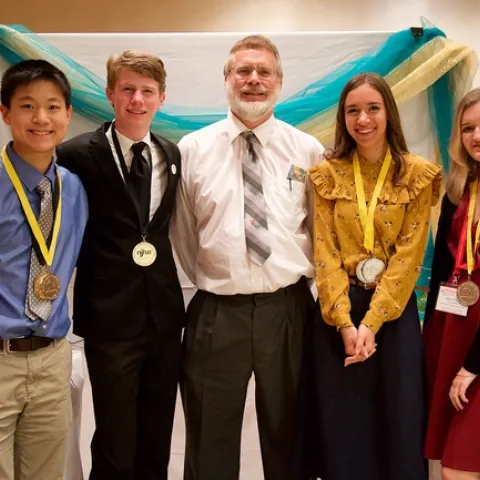
2019 NJHA Convention California 4-H team photo
California 4-H Grown: Article

Horticulture team represented California 4-H well

October 31, 2019
By Suzanne Morikawa
Towards the end of National 4-H Week this year, from October 11 to 14, our California 4-H Horticulture team competed at the 2019 National Junior Horticulture Association Convention in Lincoln, Nebraska.
View Article
UC Master Gardeners of Solano County: Article

Fall 2019

October 31, 2019
Succulent Propagation: Why Aeoniums Plump Up in the Winter and Echeveria Don't?
View Article
Primary Image
ethan devil 2019
Under the Solano Sun: Article

Halloween Miku

October 31, 2019
Blue October Skies; Harvest Moon Halloween; a Time Kids Pretend Monsters, Witches, and Ghosts Appear...
View Article
Primary Image
Open Enrollment 2019
ANR Employee News: Article

Review Open Enrollment options by Nov. 26

October 31, 2019
By Pamela S Kan-Rice
Through 5 p.m., Tuesday, Nov. 26, you can enroll or make changes to your benefits just choose your location from the dropdown on the Open Enrollment website.
View Article
Primary Image
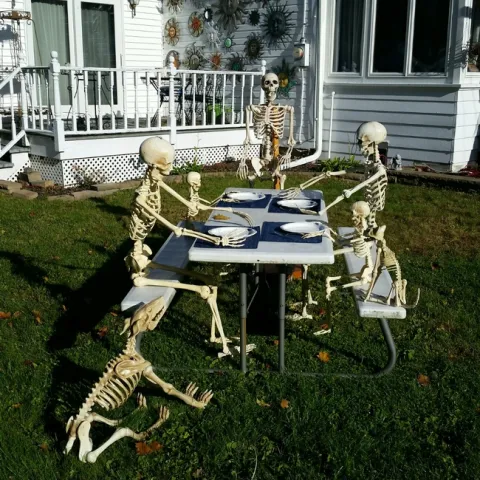
Skeleton picnic (Photo courtesy of Charles Powers)
ANR Adventures: Article

Halloween happenings

October 30, 2019
By Wendy Powers
What does one serve at a skeleton picnic? Perhaps ghoul guts, severed fingers, and a taco cheese skull. I took a couple of hours off today to get ready for the potluck at the Davis building tomorrow. I am prepared for the event unless I trip in the driveway while trying to balance a skull.
View Article
Primary Image
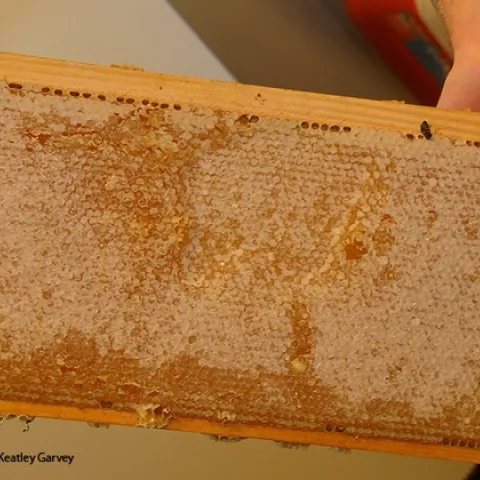
Honey doesn't come from a jar you buy in a store; it comes from a frame. (Photo by Kathy Keatley Garvey)
Bug Squad: Article

Honey, I Hardly Know Ya! (But I Will)

October 30, 2019
By Kathy Keatley Garvey
You can travel to China, Thailand, Madagascar and Brazil to taste rare, international honeys. Or you can do taste, discuss and analyze that honey during the Sensory Evaluation of Honey Course, hosted Nov.
View Article
Primary Image
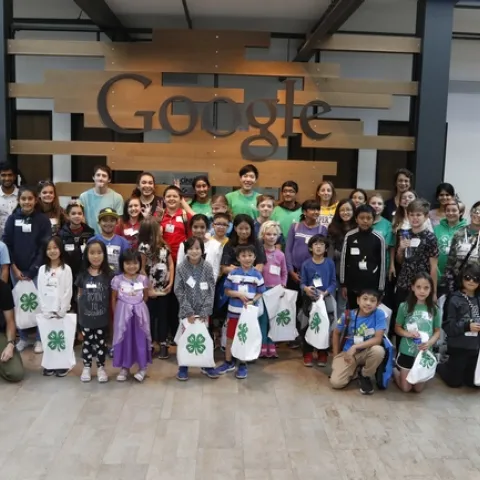
CS Pathway Team, volunteers, Googlers, and youth participants posing in front of a Google sign.
California 4-H Grown: Article

Game Changers at Google

October 30, 2019
By Suzanne Morikawa
For the second year in a row, the Computer Science Pathway Team of the University of California Cooperative Extension's (UCCE) 4-H Youth Development Program of Santa Clara County held an event for National Youth Science Day (NYSD).
View Article