A Natural Solution for California's Herds: African Catfish Peptides

California's cattle producers and agricultural communities are all too familiar with the rising challenge of antibiotic resistance, making common bacterial infections harder to treat in livestock. But imagine a future where we could tackle these infections with a natural, powerful alternative. Our research points to just that: antimicrobial peptides (AMPs) found in African catfish.

We're really excited about these peptides because African catfish thrive in pathogen-rich freshwater, naturally producing these robust immune compounds in their skin mucus as a defense. This natural origin makes them highly appealing alternatives to synthetic drugs.

Predicted Safety and Potent Action

One of the most compelling aspects of these AMPs is their predicted safety for mammals. Our initial computer analyses suggest that various catfish AMPs are generally recognized as safe (GRAS). We predict they'll be absorbed in the human intestine without causing liver, brain, or heart toxicity. Furthermore, lab tests on a promising peptide, NACAP-II, confirmed it was non-hemolytic, meaning it didn't damage rabbit red blood cells—a strong indicator of its potential safety for mammalian cells.

Beyond safety, these peptides demonstrate effectiveness against problematic bacteria. One study revealed NACAP-II's strong activity against Extended-Spectrum Beta-Lactamase (ESBL)-producing Escherichia coli—a critical concern for both animal and human health due to its resistance to many common antibiotics. Another peptide, ACAP-IV, also showed antibacterial activity against E. coli and Staphylococcus aureus. We believe these AMPs work by directly disrupting bacterial cell membranes, a mechanism that makes it harder for bacteria to develop resistance compared to how they resist traditional antibiotics.
Primary Image
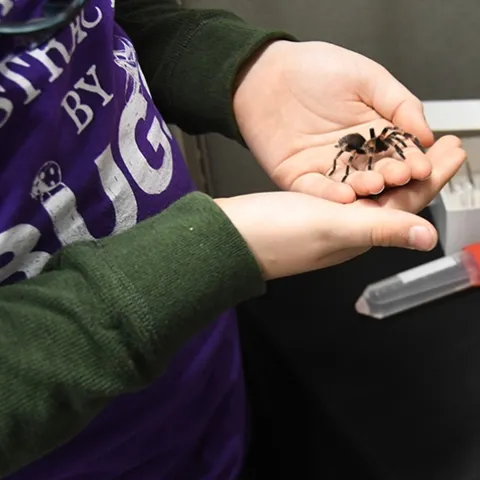
A tarantula and a Madagascar hissing cockroach are favorites at the Bohart Museum of Entomology's live "petting zoo." (Photo by Kathy Keatley Garvey)
Bug Squad: Article

'Giving Tuesday': Giving Back to the Bohart Museum of Entomology

November 26, 2018
By Kathy Keatley Garvey
"Giving Tuesday," held the first Tuesday after Thanksgiving, is a good day to give back, to say "Thank you for all you do!" The 92nd Street Y and the United Nations Foundation launched "Giving Tuesday" in 2012 in response to the troubling commercialization and consumerism in the post-Thanksgiving se...
View Article
ANR Employee News: Article

New travel policy takes effect Jan. 1, 2019

November 26, 2018
By Pamela S Kan-Rice
A new policy change will become effective Jan. 1, 2019 (see Policy & Procedure Manual 300-10). Beginning Jan. 1, 2019, AggieTravel expense reports submitted more than 60 days after the last day of travel or entertainment will be reported as taxable income to the employee.
View Article
Primary Image
Desert Willow
UC Master Gardeners- Diggin' it in SLO: Article

Plants We Love

November 26, 2018
Plants We Love By Jackie Woods UCCE Master Gardener Common name: Desert Willow, Desert Catalpa Latin name: Chilopsis linearis Size of plant: Height 15-40 feet; width 10-20 feet Bloom description and season: Showy, fragrant pink or white flowers bloom in spring through summer.
View Article
Primary Image
fruit tree class Page 1

Fruit Tree Training by the Best

November 26, 2018
By Ben A Faber
So an avocado is not an almond. But it they are both trees that are manipulated for production. And many of the principles can be transferred. Some can't. But this is a great opportunity to learn some basic ideas about how to grow tree crops.
View Article
Primary Image
Organic farmer Phil Foster stands in front of a field with cover crops planted in strips at the top of the planting bed.
Green Blog: Article

Organic farmers and researchers strive to advance soil care

November 26, 2018
By Jeannette Warnert
Organic farmer Phil Foster has developed a creative way to nurture the soil on his 200-acre farm near Hollister. He plants cover crops in a single line at the top of the planting bed, saving water and seed while keeping the furrows clear for irrigation.
View Article