A Natural Solution for California's Herds: African Catfish Peptides

California's cattle producers and agricultural communities are all too familiar with the rising challenge of antibiotic resistance, making common bacterial infections harder to treat in livestock. But imagine a future where we could tackle these infections with a natural, powerful alternative. Our research points to just that: antimicrobial peptides (AMPs) found in African catfish.

We're really excited about these peptides because African catfish thrive in pathogen-rich freshwater, naturally producing these robust immune compounds in their skin mucus as a defense. This natural origin makes them highly appealing alternatives to synthetic drugs.

Predicted Safety and Potent Action

One of the most compelling aspects of these AMPs is their predicted safety for mammals. Our initial computer analyses suggest that various catfish AMPs are generally recognized as safe (GRAS). We predict they'll be absorbed in the human intestine without causing liver, brain, or heart toxicity. Furthermore, lab tests on a promising peptide, NACAP-II, confirmed it was non-hemolytic, meaning it didn't damage rabbit red blood cells—a strong indicator of its potential safety for mammalian cells.

Beyond safety, these peptides demonstrate effectiveness against problematic bacteria. One study revealed NACAP-II's strong activity against Extended-Spectrum Beta-Lactamase (ESBL)-producing Escherichia coli—a critical concern for both animal and human health due to its resistance to many common antibiotics. Another peptide, ACAP-IV, also showed antibacterial activity against E. coli and Staphylococcus aureus. We believe these AMPs work by directly disrupting bacterial cell membranes, a mechanism that makes it harder for bacteria to develop resistance compared to how they resist traditional antibiotics.
Primary Image
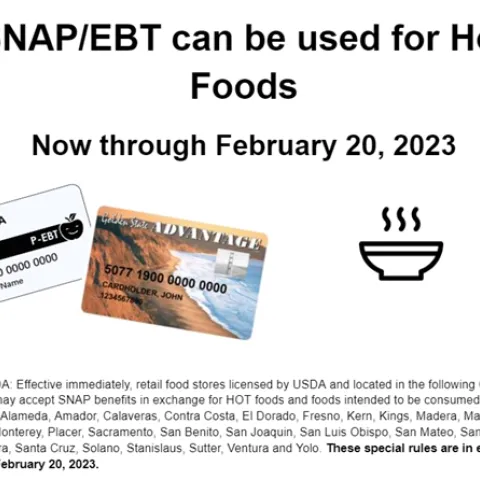
Not through Feb 20, 2023 SNAP can be used for hot foods in select counties including San Luis Obispo and Santa Barbara
Healthy Youth, Families, and Communities: Article

Severe winter storms, power outages, and CalFresh Food

February 2, 2023
By Shannon Klisch
It has been several weeks since we experienced flooding and power outages in San Luis Obispo and Santa Barbara counties but that doesn't mean that everything is back to normal. Many people experienced power outages and damage from flooding.
View Article
Primary Image
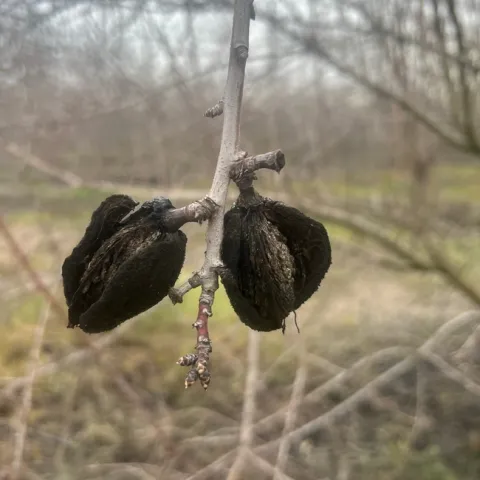
Mummy nuts remaining on the trees may serve as a reservoir of navel orangeworm

How late is too late for winter NOW sanitation?

February 2, 2023
By Elizabeth J Fichtner
The removal of nuts remaining on almond trees from the prior year's crop is an important winter sanitation practice for the management of navel orangeworm (NOW), Amyelois transitella.
View Article
Primary Image
NeedsAssessment TwitterGraphic woQR
Livestock & Range: Article

New Fire Advisor's Share Needs Assessment Survey

February 2, 2023
By Devii R Rao
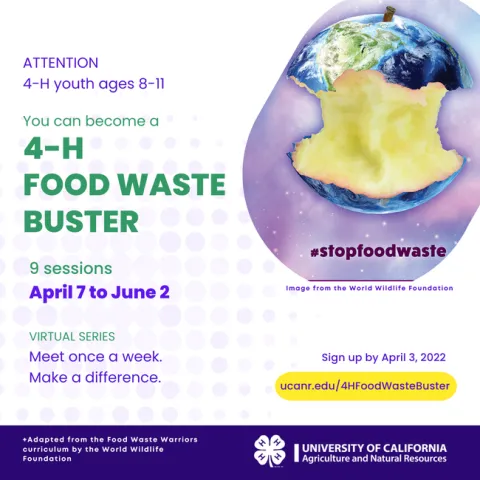
A team of new UCCE Fire Advisors would like to hear from you about your needs related to fire. Please click this link if you'd like to provide them with guidance as they develop their research and education programs.
View Article
Primary Image
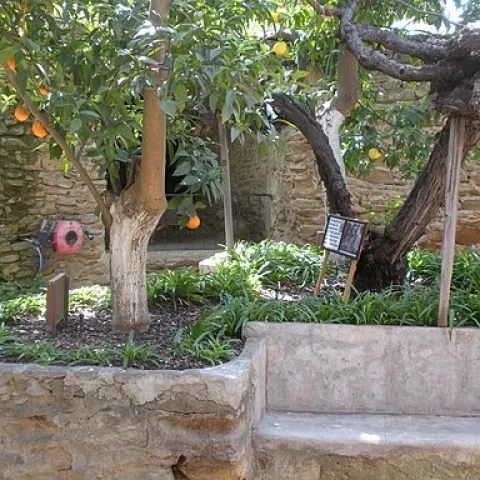
Citrus trees in a raised planter box.
The Stanislaus Sprout: Article

Citrus Webinar with Maxwell Norton

February 2, 2023
By Anne E Schellman
We hope you enjoy this webinar with Maxwell Norton, retired UC Cooperative Extension Advisor for Merced County. Maxwell talks about the history of citrus, how varieties came to be, and how the citrus industry in Southern California became so successful.
View Article
Primary Image
photos by Lanie Keystone
Under the Solano Sun: Article

The Art of Trees

February 2, 2023
At the end of a recent visit to the Crocker Art Museum in Sacramento, I stopped by the Museum Store. Wondering into the children's space, I came across a terrific toddler's board book, Trees by Molly Hashimoto with text by Zoe Burke.
View Article