A Natural Solution for California's Herds: African Catfish Peptides

California's cattle producers and agricultural communities are all too familiar with the rising challenge of antibiotic resistance, making common bacterial infections harder to treat in livestock. But imagine a future where we could tackle these infections with a natural, powerful alternative. Our research points to just that: antimicrobial peptides (AMPs) found in African catfish.

We're really excited about these peptides because African catfish thrive in pathogen-rich freshwater, naturally producing these robust immune compounds in their skin mucus as a defense. This natural origin makes them highly appealing alternatives to synthetic drugs.

Predicted Safety and Potent Action

One of the most compelling aspects of these AMPs is their predicted safety for mammals. Our initial computer analyses suggest that various catfish AMPs are generally recognized as safe (GRAS). We predict they'll be absorbed in the human intestine without causing liver, brain, or heart toxicity. Furthermore, lab tests on a promising peptide, NACAP-II, confirmed it was non-hemolytic, meaning it didn't damage rabbit red blood cells—a strong indicator of its potential safety for mammalian cells.

Beyond safety, these peptides demonstrate effectiveness against problematic bacteria. One study revealed NACAP-II's strong activity against Extended-Spectrum Beta-Lactamase (ESBL)-producing Escherichia coli—a critical concern for both animal and human health due to its resistance to many common antibiotics. Another peptide, ACAP-IV, also showed antibacterial activity against E. coli and Staphylococcus aureus. We believe these AMPs work by directly disrupting bacterial cell membranes, a mechanism that makes it harder for bacteria to develop resistance compared to how they resist traditional antibiotics.

Primary Image
Toyon berries, Jeanette Alosi
The Real Dirt: Article

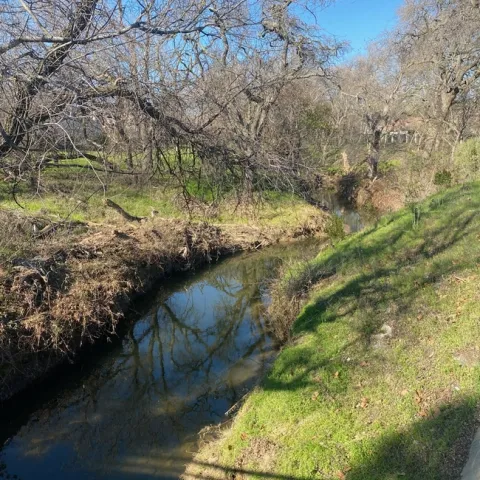
Native Plants that Thrive in Chico: Large Shrubs and Small Trees

November 11, 2022
Note: This is the second in a three-part series on native plants that have proven successful on the author's property along the Lindo Channel in Chico. The previous article discussed large trees; the final article in the series will cover smaller shrubs.
View Article
Monterey County: Article

4-H Leader's Council Meeting November 15, 2022

November 10, 2022
Dear members of the Monterey County 4-H Leaders Council, On Tuesday, November 15th , the 4-H Leaders Council will hold its monthly meeting at 7pm. The location will be via ZOOM. All 4-H families are invited to attend and take part in the councils discussion and planning.
View Article
Primary Image
Kirsten Pearsons
Salinas Valley Agriculture: Article

Introducing new UCCE Entomologist, Kirsten Pearsons

November 10, 2022
By Richard F Smith
Hello all! I am the new IPM Entomology Farm Advisor serving Santa Cruz, Monterey, and San Benito counties. I am moving up from San Luis Obispo where I was serving as a Small Farm Advisor covering San Luis Obispo and Santa Barbara counties.
View Article
Primary Image
The arts-and-crafts activity at the Bohart Museum's dragonfly open house was a popular site. In the back (at left) is noted dragonfly expert Rosser Garrison of Sacramento. (Photo by Kathy Keatley Garvey)
Bug Squad: Article

The Day That Dragonflies Sprang to Life

November 10, 2022
By Kathy Keatley Garvey
Dragonflies sprang to life in dazzling colors during the family arts-and-crafts activities at the recent Bohart Museum of Entomology open house on "Dragonflies Rule!" While dragonfly experts fielded questions from guests, over at the arts-and-crafts table, children and their families eagerly colored...
View Article
Primary Image
airblast class
Topics in Subtropics: Article

Calibrate that Airblast Sprayer

November 10, 2022
By Ben A Faber
Where?:UC Kearney Ag Center, Parlier, CA CLICK TO REGISTER The Airblast Sprayer Calibration Training is a 4-hour hands-on sprayer calibration training involving classroom and field exercises.
View Article
Primary Image
This is the root-knot nematode, Meloidogyne chitwoodi, that Cynthia Gleason of Washington State University studies. (Image courtesy of Wikipedia)
Entomology & Nematology News: Article

Cynthia Gleason Targets Root-Knot Nematodes in Potatoes

November 10, 2022
By Kathy Keatley Garvey
Assistant professor Cynthia Gleason of the Department of Plant Pathology, Washington State University, Pullman, will speak on "How Do We Help Potato Growers Combat the Root-Knot Nematode Meloidogyne chitwoodi?" at the next UC Davis Department of Entomology and Nematology seminar.
View Article
Primary Image
Winter flood up MLM credit
SJC and Delta Field Crops: Article

2022 Delta Rice Recap

November 10, 2022
By Michelle M Leinfelder-Miles
In 2022, I estimate rice acreage in the Delta, south of the Yolo Bypass, was at least 8,000 acres. Most Delta rice is grown in San Joaquin County, but there is some acreage in Sacramento County.
View Article
Primary Image
CoastsideNov2022 thumbnail
UC Master Gardeners of San Mateo & San Francisco Counties: Article

Seed Germination with Soil Blocks

November 10, 2022
Our northern California coastal climate allows us to grow vegetables all year round. In contrast to many parts of the country, where gardens and gardeners are in hibernation, fall is also one of the best times to start winter planting and get a head start on spring planting.
View Article