A Natural Solution for California's Herds: African Catfish Peptides

California's cattle producers and agricultural communities are all too familiar with the rising challenge of antibiotic resistance, making common bacterial infections harder to treat in livestock. But imagine a future where we could tackle these infections with a natural, powerful alternative. Our research points to just that: antimicrobial peptides (AMPs) found in African catfish.

We're really excited about these peptides because African catfish thrive in pathogen-rich freshwater, naturally producing these robust immune compounds in their skin mucus as a defense. This natural origin makes them highly appealing alternatives to synthetic drugs.

Predicted Safety and Potent Action

One of the most compelling aspects of these AMPs is their predicted safety for mammals. Our initial computer analyses suggest that various catfish AMPs are generally recognized as safe (GRAS). We predict they'll be absorbed in the human intestine without causing liver, brain, or heart toxicity. Furthermore, lab tests on a promising peptide, NACAP-II, confirmed it was non-hemolytic, meaning it didn't damage rabbit red blood cells—a strong indicator of its potential safety for mammalian cells.

Beyond safety, these peptides demonstrate effectiveness against problematic bacteria. One study revealed NACAP-II's strong activity against Extended-Spectrum Beta-Lactamase (ESBL)-producing Escherichia coli—a critical concern for both animal and human health due to its resistance to many common antibiotics. Another peptide, ACAP-IV, also showed antibacterial activity against E. coli and Staphylococcus aureus. We believe these AMPs work by directly disrupting bacterial cell membranes, a mechanism that makes it harder for bacteria to develop resistance compared to how they resist traditional antibiotics.

Primary Image
image
Livestock & Range: Article

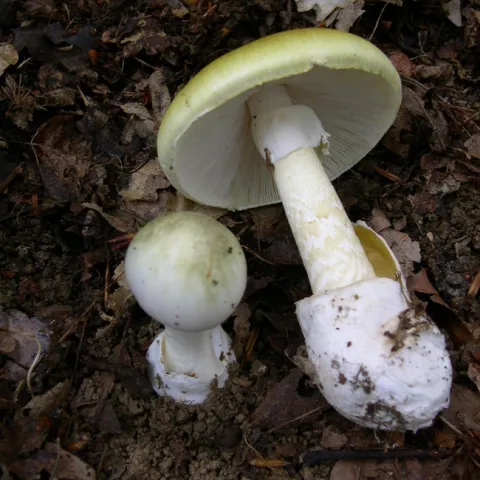
Mushroom poisonings - a danger to cattle?

December 13, 2021
By Gabriele U Maier
The atmospheric river event in October of 2021 followed by mild temperatures in northern California turned many grasslands green but may have also resulted in advantageous growing conditions for many types of mushrooms.
View Article
Primary Image
This was part of Extension apiculturist emeritus Eric Mussen's office, ready to be moved. (Photo by Kathy Keatley Garvey)
Bug Squad: Article

Eric Has Left the Building

December 13, 2021
By Kathy Keatley Garvey
Remember when, following an Elvis Presley concert, an emcee would announce "Elvis has left the building"? That was to signal that Elvis would not be returning for an encore. Since then, "Elvis has left the building," has served as a catchphrase for not only music celebrities but for retirees.
View Article
Primary Image
Red and white Poinsettia plants

Holiday Season Brings Poisonous Plants into the Home

December 13, 2021
By Lauren L Snowden
During the holiday season many plants, cut flowers and flowering bulbs are used as decoration and given as gifts. Many of these items can be poisonous to both humans and pets with long-term negative effects to one's health.
View Article
Article

UCPath upgrade complete; clear browser cache

December 13, 2021
By Pamela S Kan-Rice
UCPath was successfully upgraded over the weekend and is back up and running. For the best user experience after this upgrade, please clear your browser cache before logging back into UCPath.
View Article
Primary Image
photo by Kathy Low
Under the Solano Sun: Article

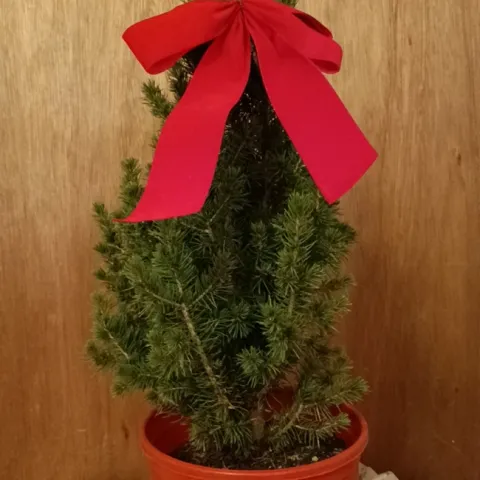
Dwarf Alberta Spruce

December 13, 2021
Besides poinsettias, during the holidays I like decorating my home with living Christmas trees. Unfortunately the past couple of years the big chain retailer I regularly shop at only carried large living Christmas trees, which I ended up buying and decorating as my annual Christmas tree.
View Article
Primary Image
IMG 4169
Choe Laboratory News: Article

Congratulations, Dr. Dery!

December 10, 2021
By Dong Hwan Choe
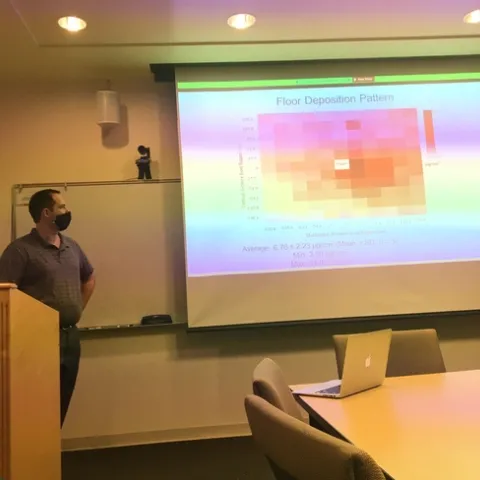
Mark Dery in Choe lab has successfully defended his PhD on December 1, 2021. Now it is official, Dr. Dery! Mark's PhD dissertation title is: "Wash-Off Potential of Pyrethroids After Use of Total Release Foggers and the Chemical Ecology of Bed Bugs (Heteroptera: Cimicidae)".
View Article
Primary Image
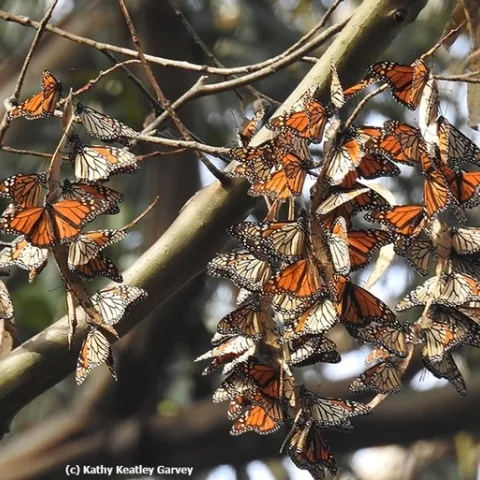
Overwintering monarchs at Natural Bridges State Park, Santa Cruz, in 2016. (Photo by Kathy Keatley Garvey)
Bug Squad: Article

Western Monarch Population Increase: What Does This Mean?

December 10, 2021
By Kathy Keatley Garvey
What does the increase in the overwintering Western monarch population along coastal California mean? The number of Danaus plexippus sightings showed a 100-fold increase as compared to last year, according to the Thanksgiving count initiated by the Xerces Society for Invertebrate Conservation.
View Article