A Natural Solution for California's Herds: African Catfish Peptides

California's cattle producers and agricultural communities are all too familiar with the rising challenge of antibiotic resistance, making common bacterial infections harder to treat in livestock. But imagine a future where we could tackle these infections with a natural, powerful alternative. Our research points to just that: antimicrobial peptides (AMPs) found in African catfish.

We're really excited about these peptides because African catfish thrive in pathogen-rich freshwater, naturally producing these robust immune compounds in their skin mucus as a defense. This natural origin makes them highly appealing alternatives to synthetic drugs.

Predicted Safety and Potent Action

One of the most compelling aspects of these AMPs is their predicted safety for mammals. Our initial computer analyses suggest that various catfish AMPs are generally recognized as safe (GRAS). We predict they'll be absorbed in the human intestine without causing liver, brain, or heart toxicity. Furthermore, lab tests on a promising peptide, NACAP-II, confirmed it was non-hemolytic, meaning it didn't damage rabbit red blood cells—a strong indicator of its potential safety for mammalian cells.

Beyond safety, these peptides demonstrate effectiveness against problematic bacteria. One study revealed NACAP-II's strong activity against Extended-Spectrum Beta-Lactamase (ESBL)-producing Escherichia coli—a critical concern for both animal and human health due to its resistance to many common antibiotics. Another peptide, ACAP-IV, also showed antibacterial activity against E. coli and Staphylococcus aureus. We believe these AMPs work by directly disrupting bacterial cell membranes, a mechanism that makes it harder for bacteria to develop resistance compared to how they resist traditional antibiotics.


Primary Image
Buckeye in upper Bidwell Park, J. Alosi
The Real Dirt: Article

What Makes a Plant Drought Tolerant?

September 17, 2021
You've seen these terms often: drought tolerant and water-wise. For water conservation and sustainable gardening, Master Gardeners recommend plants that are adapted to the long, hot, dry summers of the Mediterranean climate.
View Article
Article

Reminder: UC ANR remote work agreements due 9/30

September 16, 2021
By Pamela S Kan-Rice
Just a reminder that the last day to file UC ANR Flexible Work Agreements is only two weeks away! As was originally communicated back in June, employees wishing to have ongoing flexible work arrangements must have an approved Flexible Work Agreement on file with Human Resources no later than Sept.
View Article
Primary Image
A female metallic green sweat bee, genus Agapostemon ,on a purple coneflower. (Photo by Kathy Keatley Garvey)
Bug Squad: Article

A Sight to See Is This Bee

September 16, 2021
By Kathy Keatley Garvey
Ever seen a green metallic sweat bee? The colors are exquisite. This is a female Agapostemon on a purple coneflower at UC Davis. They are called "sweat bees" because they are attracted to human perspiration. The genders are easy to distinguish. The males have a striped abdomen.
View Article
Primary Image
photo by Michelle Davis
Under the Solano Sun: Article

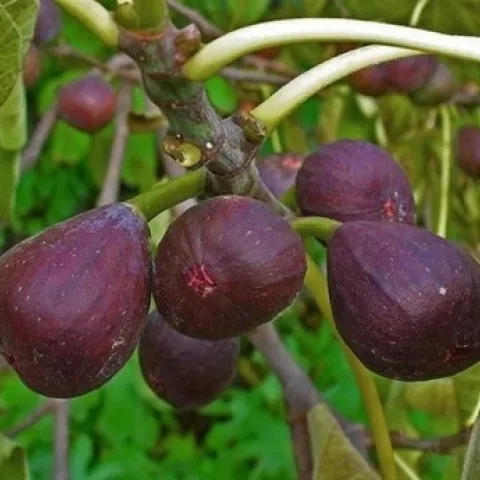
Figs

September 16, 2021
Many years ago, as a student at CSU Fresno, I frequently drove the backroad off of Highway 99 into the campus. At that time the road had no traffic lights until really close to the school.
View Article
Primary Image
Dr. Kassim Al-Khatib at the CA Rice Field Day 2021
UC Weed Science (weed control, management, ecology, and minutia): Article

California Rice Field Day is back!

September 16, 2021
By Gale Perez
The California Rice Field Day is back! The annual event, sponsored by the California Cooperative Rice Research Foundation and the California Rice Board, returned to in-person status on August 25, 2021 after being held virtually in 2020.
View Article
Primary Image
Praying mantis meets quail. (Photo by Kathy Keatley Garvey)
Bug Squad: Article

The Tale of a Quail and a Mantis

September 15, 2021
By Kathy Keatley Garvey
It would never happen in real life. A quail and a praying mantis together? Except when one is a decorative metal sculpture. A mantis, a carnivore, is known to eat hummingbirds (in addition to its regular diet of bees and butterflies, et al). And a quail, an omnivore, eats both plants and insects.
View Article
ANR Adventures: Article

Meetings with interesting opportunities

September 15, 2021
By Wendy Powers
After a somber weekend recalling the tragic events of 20 years ago, the week has gone by quickly through meetings that spanned national committee budget approval, to discussion about allocation of ANR funding, to seeking new resources through grant brainstorming.
View Article