A Natural Solution for California's Herds: African Catfish Peptides

California's cattle producers and agricultural communities are all too familiar with the rising challenge of antibiotic resistance, making common bacterial infections harder to treat in livestock. But imagine a future where we could tackle these infections with a natural, powerful alternative. Our research points to just that: antimicrobial peptides (AMPs) found in African catfish.

We're really excited about these peptides because African catfish thrive in pathogen-rich freshwater, naturally producing these robust immune compounds in their skin mucus as a defense. This natural origin makes them highly appealing alternatives to synthetic drugs.

Predicted Safety and Potent Action

One of the most compelling aspects of these AMPs is their predicted safety for mammals. Our initial computer analyses suggest that various catfish AMPs are generally recognized as safe (GRAS). We predict they'll be absorbed in the human intestine without causing liver, brain, or heart toxicity. Furthermore, lab tests on a promising peptide, NACAP-II, confirmed it was non-hemolytic, meaning it didn't damage rabbit red blood cells—a strong indicator of its potential safety for mammalian cells.

Beyond safety, these peptides demonstrate effectiveness against problematic bacteria. One study revealed NACAP-II's strong activity against Extended-Spectrum Beta-Lactamase (ESBL)-producing Escherichia coli—a critical concern for both animal and human health due to its resistance to many common antibiotics. Another peptide, ACAP-IV, also showed antibacterial activity against E. coli and Staphylococcus aureus. We believe these AMPs work by directly disrupting bacterial cell membranes, a mechanism that makes it harder for bacteria to develop resistance compared to how they resist traditional antibiotics.

Primary Image
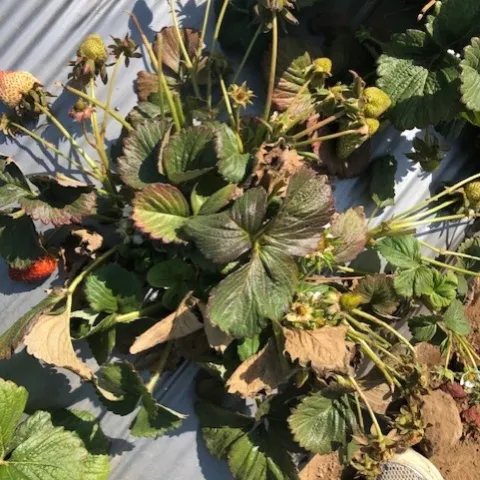
Ficus lyrata with burnt leaf margins
The Coastal Gardener : Article

Fiddle Leaf Fig Houseplant - Proper Care

March 4, 2021
By Sherida J Phibbs
The common name Fiddle leaf fig can refer to the Ficus lyrata or a Philodendron bipennifolium. Quite often the same common name can be referenced to more than one plant, which is what we find here.
View Article
Santa Cruz County: Article

4-H County Club Meeting, March 9th

March 4, 2021
Dear 4-H Families, We understand the last year our 4-H program and lives have been impacted by COVID-19, shelter in place, economic hardships, and wildfires in our community.
View Article
Primary Image
Fruit leathers are a healthy snack that are easy to make!
Preservation Notes - San Joaquin Master Food Preservers: Article

March Zoom Webinar – Get Inspired to Dehydrate!

March 4, 2021
By Marceline D Sousa
An ancient form of food preservation that is still used frequently today is dehydration. In ancient times foods were left in the sun to remove water and prevent bacterial growth. Today we have a number of methods to dehydrate foods more efficiently in our homes.
View Article
Primary Image
Rose yarrow. Photo: McDonald
The Backyard Gardener: Article

Yarrow: A Useful Ornamental Native Plant

March 4, 2021
Yarrow is a plant that people have used for thousands of years. Indeed, Linnaeus, the father of plant taxonomy, gave yarrow the genus name Achillea after the great Greek warrior Achilles, who supposedly carried common yarrow with his army to treat battle wounds.
View Article
ANR Adventures: Article

One year later

March 4, 2021
By Wendy Powers
March madness is here. I have 79 merit and promotion packages to review, 54 annual discussions to have with direct reports, my own annual review materials to prepare, 3 conferences to attend, and my household taxes to prepare.
View Article
Primary Image
Beneficial syrphid fly adult on purple flower. [Credit: Jack Kelly Clark]
Pests in the Urban Landscape: Article

New Webinar Series for Urban & Community IPM

March 3, 2021
The UC Statewide Integrated Pest Management Urban & Community Program is excited to present a new monthly webinar series that is free and open to the public. Presenters will share helpful pest management information for California residents.
View Article
Get Inspired! Volunteer Connections: Article

#1: No time like the present!

March 3, 2021
By JoLynn C Miller
No time like the present! I suffer from #analysisparalysis. I want things to be right and perfect before I go forth and prosper. But that can be a hindrance. For example, the idea for this blog has been floating around in my head for years.
View Article
Primary Image
UC Davis Professor Phil Ward delivered a presentation on "All About Ants" at the UC Davis Biodiversity Museum Day/Month on Feb. 20. It is now on YouTube. Photos are by Alex Wild. (Screen shot)

Professor Phil Ward: Our Friends, the Ants

March 3, 2021
By Kathy Keatley Garvey
If you missed the family-friendly seminar on ants by UC Davis Professor Phil Ward on Feb. 20 during the UC Davis Biodiversity Museum Day/Month, not to worry. "All About Ants II" is posted on YouTube at https://youtu.be/d8eRNsD8dxo.
View Article