A Natural Solution for California's Herds: African Catfish Peptides

California's cattle producers and agricultural communities are all too familiar with the rising challenge of antibiotic resistance, making common bacterial infections harder to treat in livestock. But imagine a future where we could tackle these infections with a natural, powerful alternative. Our research points to just that: antimicrobial peptides (AMPs) found in African catfish.

We're really excited about these peptides because African catfish thrive in pathogen-rich freshwater, naturally producing these robust immune compounds in their skin mucus as a defense. This natural origin makes them highly appealing alternatives to synthetic drugs.

Predicted Safety and Potent Action

One of the most compelling aspects of these AMPs is their predicted safety for mammals. Our initial computer analyses suggest that various catfish AMPs are generally recognized as safe (GRAS). We predict they'll be absorbed in the human intestine without causing liver, brain, or heart toxicity. Furthermore, lab tests on a promising peptide, NACAP-II, confirmed it was non-hemolytic, meaning it didn't damage rabbit red blood cells—a strong indicator of its potential safety for mammalian cells.

Beyond safety, these peptides demonstrate effectiveness against problematic bacteria. One study revealed NACAP-II's strong activity against Extended-Spectrum Beta-Lactamase (ESBL)-producing Escherichia coli—a critical concern for both animal and human health due to its resistance to many common antibiotics. Another peptide, ACAP-IV, also showed antibacterial activity against E. coli and Staphylococcus aureus. We believe these AMPs work by directly disrupting bacterial cell membranes, a mechanism that makes it harder for bacteria to develop resistance compared to how they resist traditional antibiotics.


Primary Image
2021 Rice Growers Meeting UPDATED Announcement
UC Weed Science (weed control, management, ecology, and minutia): Article

ANNOUNCEMENT :: 2021 Rice Growers Meeting

January 11, 2021
By Gale Perez
Mark your calendar... UC COOPERATIVE EXTENSION presents When: February 11, 2021|9:00 AM-12:00 PM Where: Virtual via Zoom Cost: $10 Click here to REGISTER Click here for AGENDA Continuing education units applied for from CA Department of Pesticide Regulations (DPR) and Certified Crop Advisers (CCA).
View Article
Primary Image
UCCE logo
SJC and Delta Field Crops: Article

Upcoming Meetings of Interest

January 11, 2021
By Michelle M Leinfelder-Miles
Happy New Year! Here are two opportunities for virtual continuing education. 1. The California Plant and Soil Conference will be held virtually February 1-3, 2021, and registration is now open. Please see the website for more information and to register.
View Article
UC Cooperative Extension Imperial County: Article

January 2021

January 11, 2021
LIVESTOCK RESEARCH BRIEF CDFA ISSUES STOP USE NOTICE AND STATEWIDE QUARANTINE ON ORGANIC FERTILIZER AGRO GOLD WS SAVE THE DATE & AGENDA - VEGETABLE CROPS & IPM WORKSHOP SOIL MOISTURE SENSING FOR SMART IRRIGATION MANAGEMENT DECISIONS AGENDA - IRRIGATION MANAGEMENT TOOLS & TECHNOLOGIES WEBINAR USDA ES...
View Article
Primary Image
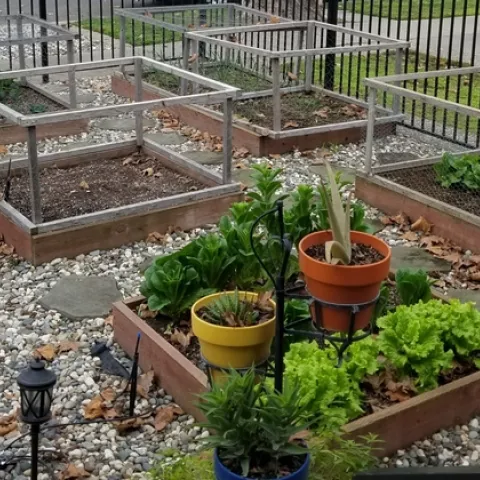
Raised bed preparation. (T. Pellegrini)
The Stanislaus Sprout: Article

Planning and Prepping for Your Spring Garden

January 11, 2021
By Anne E Schellman
It's a cold winter's day here in the Central Valley. But instead of curling up in a cozy chair with a cup of tea, I'm out in my garden, planning and prepping for my spring planting. For me, this is the fun part, walking the gardens, looking at the raised beds, empty pots, and bare earth.
View Article
Primary Image
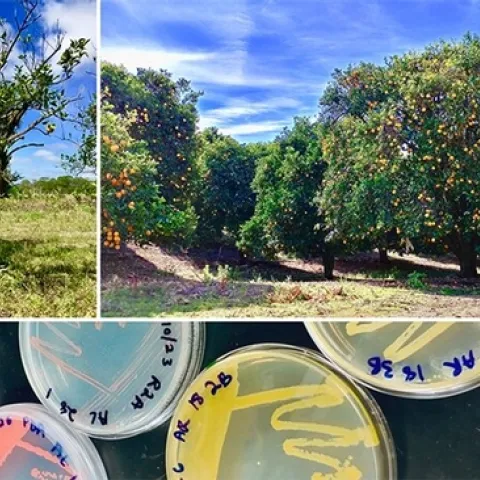
giannan hlb images
Topics in Subtropics: Article

New Ideas in HLB Management

January 11, 2021
By Ben A Faber
Provided by American Phytopathological Society More information: Nichole A. Ginnan et al, Disease-Induced Microbial Shifts in Citrus Indicate Microbiome-Derived Responses to Huanglongbing Across the Disease Severity Spectrum, Phytobiomes Journal (2020). DOI: 10.
View Article
Primary Image
Monarch butterfly on Asclepias speciosa
Spill the Beans: Article

Monarch Butterfly Conservation

January 11, 2021
By Rainer Hoenicke Natural Resources Conservation Service (NRCS) biologist, Jennifer Kubel, presented a webinar on August 26, 2020, on agricultural and horticultural practices that could benefit Monarch butterflies.
View Article
Article

Events at the Capitol; budget update

January 8, 2021
By Pamela S Kan-Rice
Dear Colleagues, It's been an emotional week for all of us witnessing the insurrection in our nation's capital. Such violence and vitriol adds to the ongoing stress of the COVID-19 pandemic and economic distress that so many are feeling.
View Article