A Natural Solution for California's Herds: African Catfish Peptides

California's cattle producers and agricultural communities are all too familiar with the rising challenge of antibiotic resistance, making common bacterial infections harder to treat in livestock. But imagine a future where we could tackle these infections with a natural, powerful alternative. Our research points to just that: antimicrobial peptides (AMPs) found in African catfish.

We're really excited about these peptides because African catfish thrive in pathogen-rich freshwater, naturally producing these robust immune compounds in their skin mucus as a defense. This natural origin makes them highly appealing alternatives to synthetic drugs.

Predicted Safety and Potent Action

One of the most compelling aspects of these AMPs is their predicted safety for mammals. Our initial computer analyses suggest that various catfish AMPs are generally recognized as safe (GRAS). We predict they'll be absorbed in the human intestine without causing liver, brain, or heart toxicity. Furthermore, lab tests on a promising peptide, NACAP-II, confirmed it was non-hemolytic, meaning it didn't damage rabbit red blood cells—a strong indicator of its potential safety for mammalian cells.

Beyond safety, these peptides demonstrate effectiveness against problematic bacteria. One study revealed NACAP-II's strong activity against Extended-Spectrum Beta-Lactamase (ESBL)-producing Escherichia coli—a critical concern for both animal and human health due to its resistance to many common antibiotics. Another peptide, ACAP-IV, also showed antibacterial activity against E. coli and Staphylococcus aureus. We believe these AMPs work by directly disrupting bacterial cell membranes, a mechanism that makes it harder for bacteria to develop resistance compared to how they resist traditional antibiotics.
ANR Employee News: Article

Internal recruitment underway for UCCE Riverside director

October 23, 2020
By Pamela S Kan-Rice
UC ANR leadership has opened an internal call for those interested in assuming the role of County Director (CD) for Riverside County beginning Jan. 2, 2021. This call is open to all UC ANR employees regardless of staff or academic status.
View Article
Primary Image
false chinch bug composite
Topics in Subtropics: Article

False Chinch Bug in New Avocado Plantings

October 23, 2020
By Ben A Faber
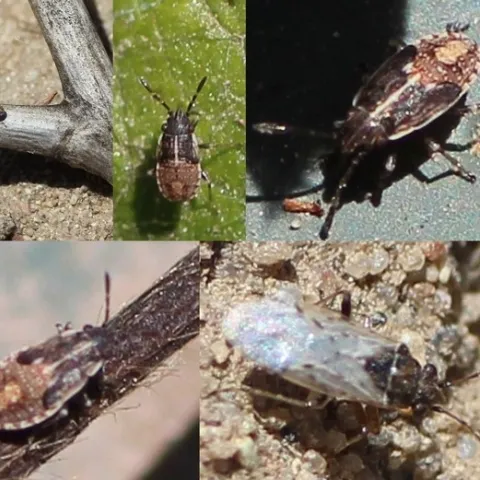
The false chinch bug (FCB), Nysius raphanus (Hemiptera: Lygaeidae), is a pest of many plants. FCB is a generalist and has been found to be a problem in many cropping systems such as soybeans, quinoa, tobacco, cotton, broccoli and other Brassicaceae plants.
View Article
Primary Image
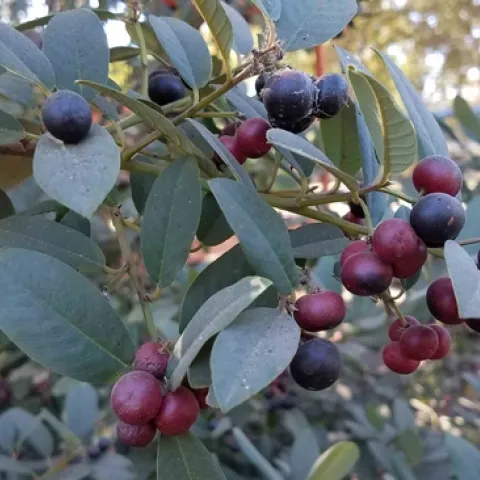
Eva Case coffeeberry berries (Frangula californica), J. Alosi
The Real Dirt: Article

No Fail Natives

October 23, 2020
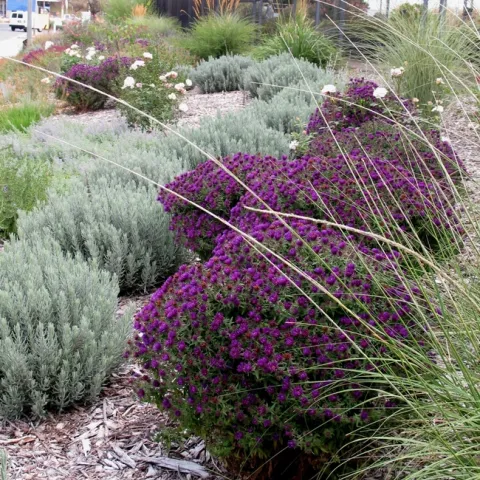
One approach to dealing with drought conditions in the garden is to turn to native plants that are well-acclimated to our local environment. Some gardeners new to planting natives may be concerned that these plants might require special care, but in general they need not worry.
View Article
Primary Image
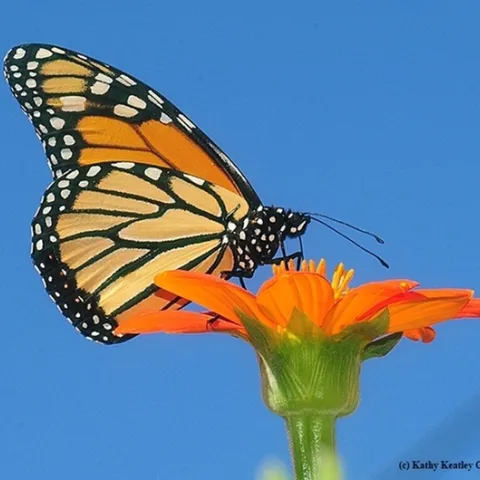
A monarch butterfly, Danaus plexippus, nectaring on a Mexican sunflower, Tithonia rotundifola. (Photo by Kathy Keatley Garvey)
Bug Squad: Article

Take a Bug Break--and Bring Along This Book

October 22, 2020
By Kathy Keatley Garvey
Don't take a coffee break. Take a bug break. Step into your garden, walk over to a community park, or hike in the wilderness and see what's out there. And take along the newly published, newly revised "The Field Guide to California Insects." It includes more than 600 insect species.
View Article
Primary Image
Two participants smile at the camera during a workshop in a forest.

Improving forest management through UCCE Forest Stewardship workshops

October 22, 2020
By Kimberly C Ingram
Eighty-six percent of private forest landowners indicate they are highly motivated to develop a forest management plan after attending a Forest Stewardship workshop, which puts them on the path towards improved management of forest lands, participation in cost-share funding programs, and protecting...
View Article
Primary Image
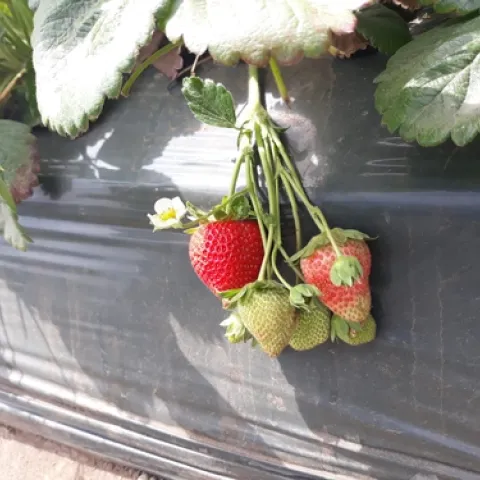
20200624 112628 (2)
Strawberries and Caneberries: Article

Biodegradable Plastic Mulches are Not Allowed in Certified Organic Production!

October 22, 2020
By Mark P Bolda
Biodegradable plastic mulches (BDMs) are a promising alternative to polyethylene mulch. The concept is simple. Rather than pulling used plastic mulch from a field and stockpiling or disposing it in a landfill, BDMs are designed to be tilled in at the end of the production cycle.
View Article
Primary Image
Pre-pandemic, Farmer Al sells products to visitors at Frog Hollow Farms. Agritourism operations have faced drastic business disruptions.
ANR Employee News: Article

UC SAREP receives USDA grant to strengthen local food networks

October 22, 2020
By Pamela S Kan-Rice
With the emergence of shelter-in-place directives at the onset of the coronavirus pandemic, California's small-scale direct-marketing farms and agritourism operations faced drastic and immediate disruptions to operations causing major losses in revenue and layoffs for staff.
View Article