A Natural Solution for California's Herds: African Catfish Peptides

California's cattle producers and agricultural communities are all too familiar with the rising challenge of antibiotic resistance, making common bacterial infections harder to treat in livestock. But imagine a future where we could tackle these infections with a natural, powerful alternative. Our research points to just that: antimicrobial peptides (AMPs) found in African catfish.

We're really excited about these peptides because African catfish thrive in pathogen-rich freshwater, naturally producing these robust immune compounds in their skin mucus as a defense. This natural origin makes them highly appealing alternatives to synthetic drugs.

Predicted Safety and Potent Action

One of the most compelling aspects of these AMPs is their predicted safety for mammals. Our initial computer analyses suggest that various catfish AMPs are generally recognized as safe (GRAS). We predict they'll be absorbed in the human intestine without causing liver, brain, or heart toxicity. Furthermore, lab tests on a promising peptide, NACAP-II, confirmed it was non-hemolytic, meaning it didn't damage rabbit red blood cells—a strong indicator of its potential safety for mammalian cells.

Beyond safety, these peptides demonstrate effectiveness against problematic bacteria. One study revealed NACAP-II's strong activity against Extended-Spectrum Beta-Lactamase (ESBL)-producing Escherichia coli—a critical concern for both animal and human health due to its resistance to many common antibiotics. Another peptide, ACAP-IV, also showed antibacterial activity against E. coli and Staphylococcus aureus. We believe these AMPs work by directly disrupting bacterial cell membranes, a mechanism that makes it harder for bacteria to develop resistance compared to how they resist traditional antibiotics.

Primary Image
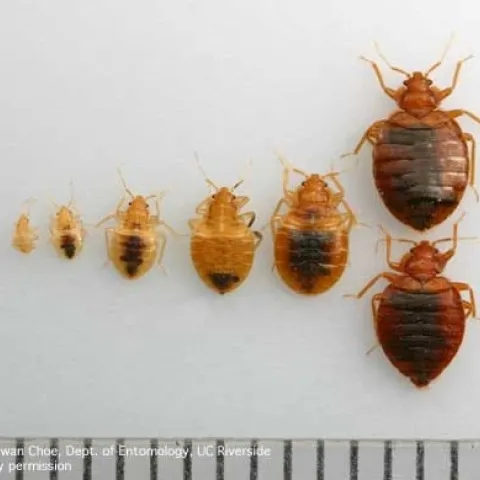
Egg, immature bed bugs, adult bed bugs. (DH Choe)
The Stanislaus Sprout: Article

Keep Your Holiday Travel Bed Bug-Free!

December 16, 2019
By Anne E Schellman
Tis the season for holiday travel. As you make reservations for rental accommodations to visit family and friends, we wanted to share a few suggestions to help you avoid bringing bed bugs home with you.
View Article
ANR Adventures: Article

2019 heading to a close

December 16, 2019
By Wendy Powers
Congratulations to the team of California 4-H camp volunteers, program staff, and youth who plan and run our camping programs! The American Camp Association's Committee for the Advancement of Research and Evaluation (CARE), has recognized the California 4-H Camping Advisory Committee as a 2020 recip...
View Article
Primary Image
mealybug destroyer

UC IPM Biocontrol Website

December 16, 2019
By Ben A Faber
Biological control is the management of pests and their damage by the beneficial action of parasites (parasitoids), pathogens, and predators. These beneficial organisms, collectively, are named natural enemies.
View Article
Primary Image
navel split

Citrus Splitting

December 16, 2019
By Ben A Faber
It has been a struggle to get through the summer this year. Weird. Hot. Then fog in August. Hot. Then fog in October. It's supposed to be clear,, blue skies in October. perfect weather for avocado persea mite and citrus leaf miner. Hot times then cooler.
View Article
Primary Image
Cora Bell
UC Master Gardeners- Diggin' it in SLO: Article

Cora Bell

December 16, 2019
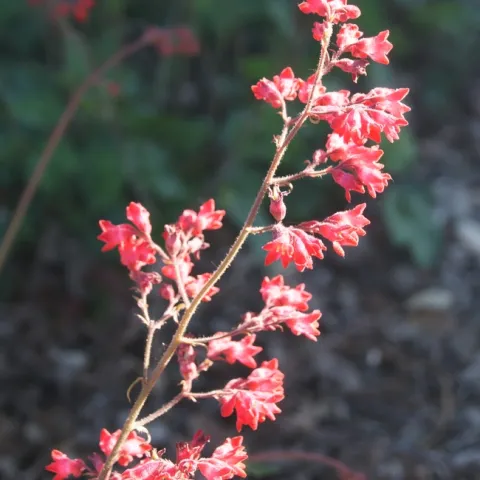
Cora Bell By Jutta Thoerner UCCE Master Gardener Heuchera Height: 1-3 feet, Width: 6-30 inches USDA hardy zone: 4-9 Bloom description and season: Green, white, red, or pink small flowers on stems up to 24 inches high. Spring, summer or fall bloom depends on cultivar and climate.
View Article
Primary Image
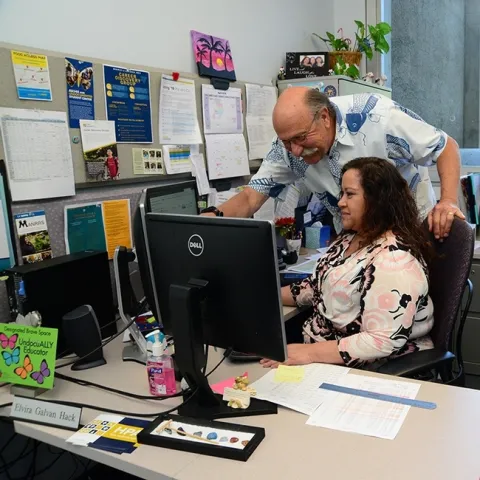
UC Davis animal biology major master advisor Robert Kimsey and advisor Elvira Galvan Hack confer on an advising plan. Both won regional advising awards from NACADA, the Global Community for Academic Advising.(Photo by Kathy Keatley Garvey)
Entomology & Nematology News: Article

Elvira Galvan Hack, Robert Kimsey Win Regional Advising Awards

December 16, 2019
By Kathy Keatley Garvey
Elvira Galvan Hack, staff advisor for students in the Animal Biology (ABI) major, UC Davis Department of Entomology and Nematology, and ABI master advisor Robert Kimsey, forensic entomologist and lecturer in the department, are drawing acolades for winning major advising awards from Region 9 of NACA...
View Article