A Natural Solution for California's Herds: African Catfish Peptides

California's cattle producers and agricultural communities are all too familiar with the rising challenge of antibiotic resistance, making common bacterial infections harder to treat in livestock. But imagine a future where we could tackle these infections with a natural, powerful alternative. Our research points to just that: antimicrobial peptides (AMPs) found in African catfish.

We're really excited about these peptides because African catfish thrive in pathogen-rich freshwater, naturally producing these robust immune compounds in their skin mucus as a defense. This natural origin makes them highly appealing alternatives to synthetic drugs.

Predicted Safety and Potent Action

One of the most compelling aspects of these AMPs is their predicted safety for mammals. Our initial computer analyses suggest that various catfish AMPs are generally recognized as safe (GRAS). We predict they'll be absorbed in the human intestine without causing liver, brain, or heart toxicity. Furthermore, lab tests on a promising peptide, NACAP-II, confirmed it was non-hemolytic, meaning it didn't damage rabbit red blood cells—a strong indicator of its potential safety for mammalian cells.

Beyond safety, these peptides demonstrate effectiveness against problematic bacteria. One study revealed NACAP-II's strong activity against Extended-Spectrum Beta-Lactamase (ESBL)-producing Escherichia coli—a critical concern for both animal and human health due to its resistance to many common antibiotics. Another peptide, ACAP-IV, also showed antibacterial activity against E. coli and Staphylococcus aureus. We believe these AMPs work by directly disrupting bacterial cell membranes, a mechanism that makes it harder for bacteria to develop resistance compared to how they resist traditional antibiotics.
Primary Image
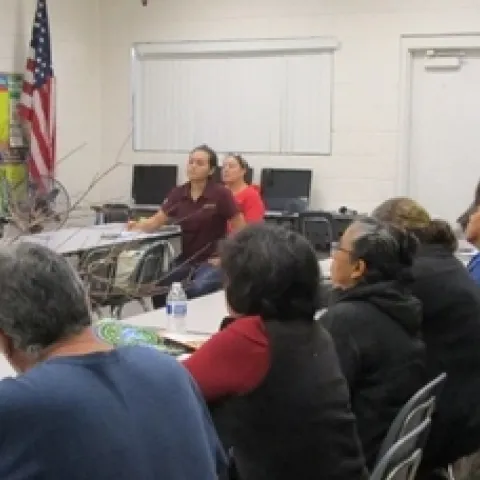
Master Gardener's presentation
UCCE Riverside County: Article

Community Settlement Association's Garden Club Family Day

December 12, 2019
By Chutima H Ganthavorn
On the first Thursday of every month at the Community Settlement Association in Eastside Riverside, garden club members gather to participate in a monthly club meeting with CalFresh Healthy Living, UC's Nutrition Educator Itzel Palacios-Sanchez.
View Article
Primary Image
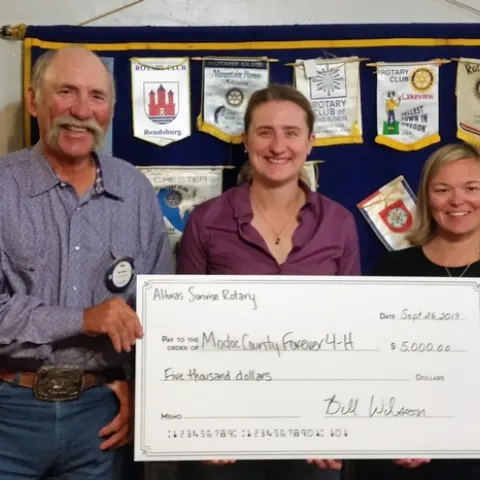
Bill Wilson, Alturas Sunrise Rotary president, with UCCE director Laura Snell, and Sadie Camacho, 4-H program representative.
ANR Employee News: Article

Rotary donates $5000 to 4-H in Modoc County

December 12, 2019
By Pamela S Kan-Rice
The Alturas Sunrise Rotary donated $5000 towards the Modoc County Forever 4-H Endowment. This endowment, established in 2018 amid state budget constraints, is intended to support the 4-H program in Modoc County for generations to come.
View Article
Primary Image
Touring the Garden of the Seven Sisters - UC Master Gardeners, San Luis Obispo County
UC Master Gardeners- Diggin' it in SLO: Article

2019 Year in Review

December 12, 2019
By Maria Murrietta
The UC Master Gardeners of San Luis Obispo County covered a lot of territory in 2019. Our 90 volunteers recorded over 5,000 volunteer hours and 1100 continuing education hours. Here's a snapshot of the 2019 activities and what we have planned for 2020.
View Article
Primary Image
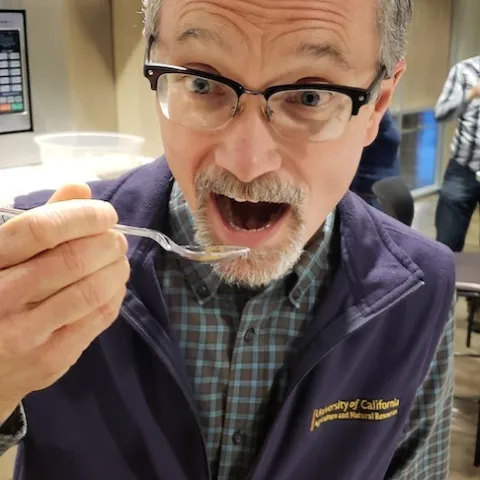
Director of the UC Integrated Pest Management Program, Jim Farrar, eats a bug for breakfast to show his commitment to UC Agriculture and Natural Resources.
ANR News Releases: Article

Giving Tuesday donations exceed UC ANR expectations

December 12, 2019
By Pamela S Kan-Rice
On Giving Tuesday 2019, donors gave $130,311 over 24 hours for UC Cooperative Extension, statewide programs and research and extension centers that make up the University of California Agriculture and Natural Resources network.
View Article
HOrT COCO-UC Master Gardener Program of Contra Costa: Article

Apologies

December 12, 2019
Apologies... Had some minor calendar and computer problems and missed posting HOrT COCO blog earlier this week. Should be on-track for next week...
View Article
Primary Image
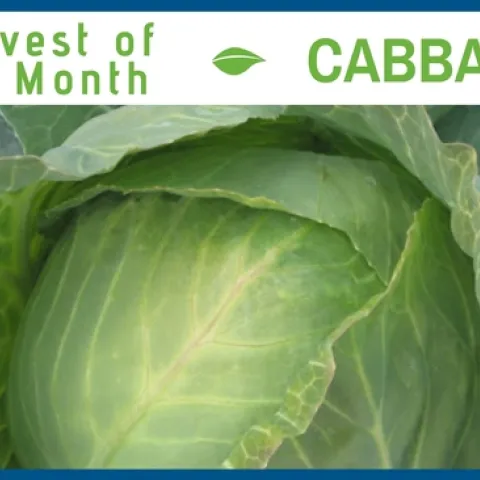
Cabbage December
Healthy Central Sierra: Article

December's Harvest of the Month: Cabbage

December 11, 2019
During the month of December, cabbage has had a chance not only to grow to its full size and density, but also to experience some cool weather, which helps it become sweeter and mellower in flavor.
View Article
Primary Image
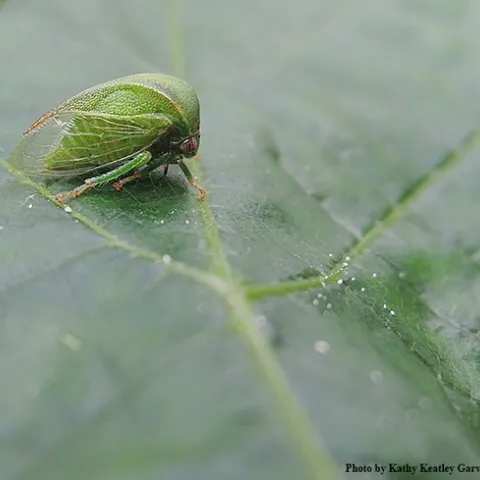
The three-cornered alfalfa leaf hopper, Spissistilus festinus, transmits the grapevine red blotch virus. (Photo by Kathy Keatley Garvey)
Bug Squad: Article

A Bug That's Not Wanted in the Vineyards

December 11, 2019
By Kathy Keatley Garvey
Back in July of 2016, a team of researchers affiliated with the University of California, Davis, wrote in the journal Phytopathology that the three-cornered alfalfa leaf hopper, Spissistilus festinus, transmits the virus that causes grapevine red blotch virus.
View Article
Primary Image
A new UC ANR toolkit is available to help communicate the value of UC ANR's work.
ANR Employee News: Article

Tools to tell the ANR story

December 11, 2019
By Pamela S Kan-Rice
A new communications toolkit is available to support you in communicating the value of UC ANR and promoting your work. Topics addressed by the toolkit will be continually refined and updated (It's a work in progress).
View Article