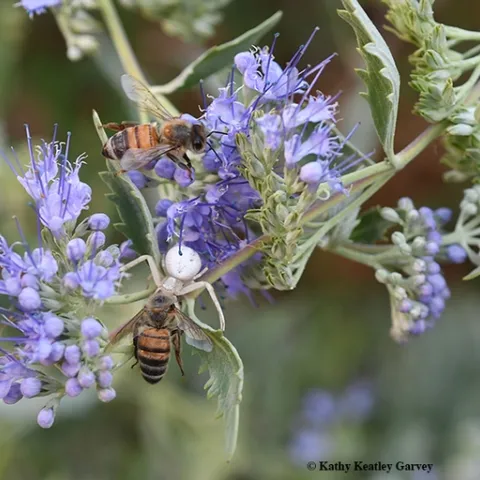
A Natural Solution for California's Herds: African Catfish Peptides

California's cattle producers and agricultural communities are all too familiar with the rising challenge of antibiotic resistance, making common bacterial infections harder to treat in livestock. But imagine a future where we could tackle these infections with a natural, powerful alternative. Our research points to just that: antimicrobial peptides (AMPs) found in African catfish.

We're really excited about these peptides because African catfish thrive in pathogen-rich freshwater, naturally producing these robust immune compounds in their skin mucus as a defense. This natural origin makes them highly appealing alternatives to synthetic drugs.

Predicted Safety and Potent Action

One of the most compelling aspects of these AMPs is their predicted safety for mammals. Our initial computer analyses suggest that various catfish AMPs are generally recognized as safe (GRAS). We predict they'll be absorbed in the human intestine without causing liver, brain, or heart toxicity. Furthermore, lab tests on a promising peptide, NACAP-II, confirmed it was non-hemolytic, meaning it didn't damage rabbit red blood cells—a strong indicator of its potential safety for mammalian cells.

Beyond safety, these peptides demonstrate effectiveness against problematic bacteria. One study revealed NACAP-II's strong activity against Extended-Spectrum Beta-Lactamase (ESBL)-producing Escherichia coli—a critical concern for both animal and human health due to its resistance to many common antibiotics. Another peptide, ACAP-IV, also showed antibacterial activity against E. coli and Staphylococcus aureus. We believe these AMPs work by directly disrupting bacterial cell membranes, a mechanism that makes it harder for bacteria to develop resistance compared to how they resist traditional antibiotics.
Primary Image
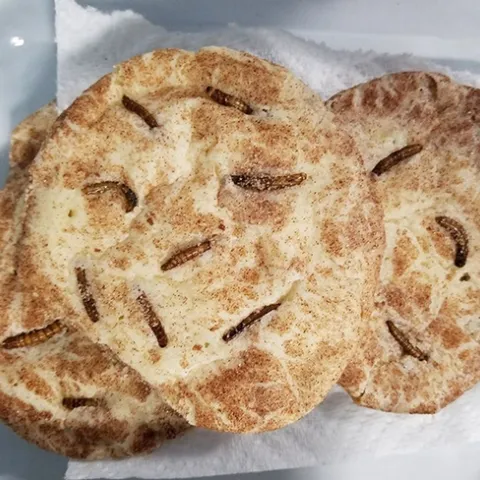
Make a meal out of mealworms? Danielle Wishon baked these mealworm cookies. Yes, they were good. (Photo by Danielle Wishon)
Bug Squad: Article

Bohart Museum: The Joy of Eating...Drum Roll...Insects

September 18, 2019
By Kathy Keatley Garvey
If you want to know what it's like to eat a bugdoesn't everybody?--ask an entomologist, a bug ambassador, or an entomophagist, one who eats insects. So we didBecause the Bohart Museum of Entomology is hosting an open house on entomophagy from 1 to 4 p.m., Saturday, Sept.
View Article
Primary Image
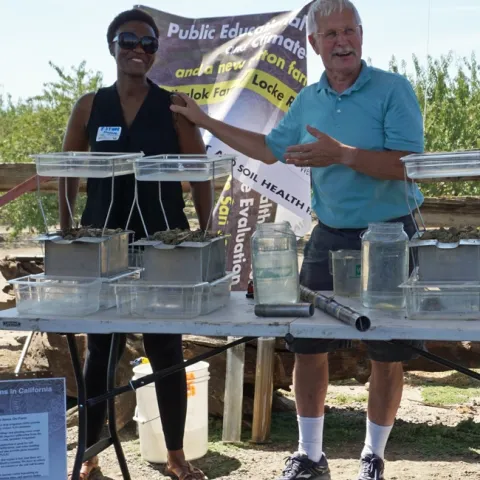
2019 UCCE Soil Health and Cover Cropping Field meeting in the Delta. (Photo courtesy Sarah Light, UCCE.)
SJC and Delta Field Crops: Article

Soil Health and Cover Cropping Field Meeting Recap

September 18, 2019
By Michelle M Leinfelder-Miles, Brenna J Aegerter
On September 4th, we hosted the Soil Health and Cover Cropping Field Meeting on Staten Island in San Joaquin County. We would like to thank those who attended the meeting. The meeting handouts are now available from the Delta Crops website.
View Article
Primary Image
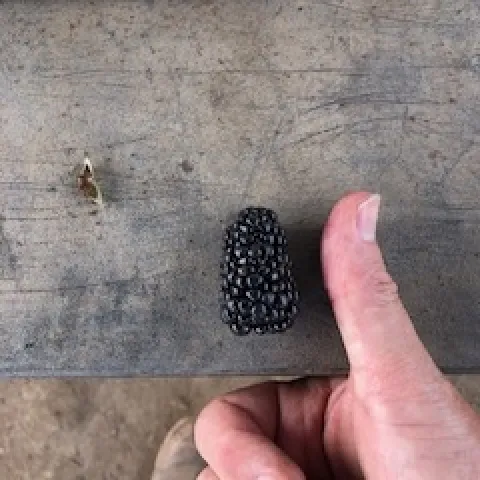
One of the larger exemplars we picked yesterday, this one weighed 14 grams. And yes it was quite tasty.
Strawberries and Caneberries: Article

Remarkably Large Blackberries

September 18, 2019
By Mark P Bolda
Just a few shots below of some unusually large blackberries we are taking out of study looking at fertility modification and tunnel plastic management to reduce "reversion" in this crop (more to follow - it's an interesting study).
View Article
ANR Adventures: Article

What the heck is normalized deviation?

September 18, 2019
By Wendy Powers
Throughout the conference, we covered topics ranging from foreign influence and shadow labs to Title IX compliance to predatory journals. It is a bit alarming how all of these topics seem to intersect now.
View Article
Primary Image
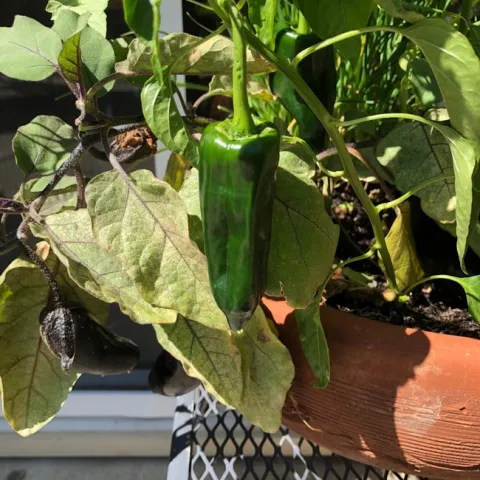
photos by Trisha Rose
Under the Solano Sun: Article

The Experiment

September 18, 2019
One of the frequently heard comments at the Vallejo Farmer's Market is I don't have the time or space for a garden. Well, folks looky here. This summer, I tried an experiment.
View Article
Primary Image
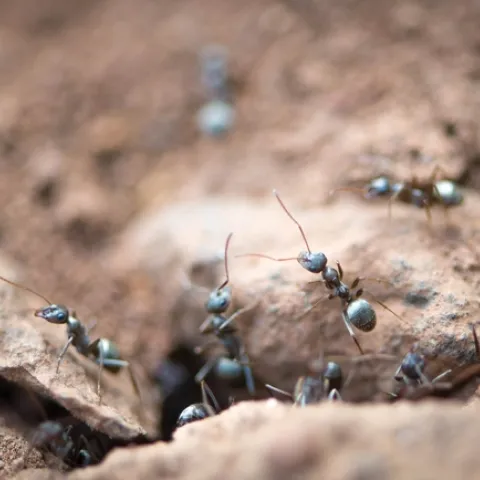
ants are good
Topics in Subtropics: Article

Ants Are Good?

September 18, 2019
By Ben A Faber
How ants can be good in ag production systems By: Madison Sankovitz, UCR Entomology, Ph.D. Candidate, Purcell Lab, UC Riverside Ants are often underappreciated in the United States for their natural benefits to agriculture.
View Article
Primary Image
HHM-2019-Promo Pic
Noticias: Article

Mes de la Herencia Hispana

September 18, 2019
By Ricardo A Vela
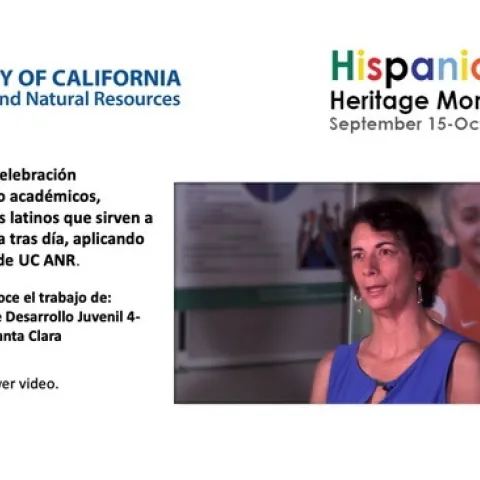
El Mes de la Herencia Hispana comienza el 15 de septiembre y continua hasta el 15 de octubre. El propsito de la celebracin es reconocer las contribuciones y la presencia vital de hispanos y latinoamericanos a los Estados Unidos.
View Article