A Natural Solution for California's Herds: African Catfish Peptides

California's cattle producers and agricultural communities are all too familiar with the rising challenge of antibiotic resistance, making common bacterial infections harder to treat in livestock. But imagine a future where we could tackle these infections with a natural, powerful alternative. Our research points to just that: antimicrobial peptides (AMPs) found in African catfish.

We're really excited about these peptides because African catfish thrive in pathogen-rich freshwater, naturally producing these robust immune compounds in their skin mucus as a defense. This natural origin makes them highly appealing alternatives to synthetic drugs.

Predicted Safety and Potent Action

One of the most compelling aspects of these AMPs is their predicted safety for mammals. Our initial computer analyses suggest that various catfish AMPs are generally recognized as safe (GRAS). We predict they'll be absorbed in the human intestine without causing liver, brain, or heart toxicity. Furthermore, lab tests on a promising peptide, NACAP-II, confirmed it was non-hemolytic, meaning it didn't damage rabbit red blood cells—a strong indicator of its potential safety for mammalian cells.

Beyond safety, these peptides demonstrate effectiveness against problematic bacteria. One study revealed NACAP-II's strong activity against Extended-Spectrum Beta-Lactamase (ESBL)-producing Escherichia coli—a critical concern for both animal and human health due to its resistance to many common antibiotics. Another peptide, ACAP-IV, also showed antibacterial activity against E. coli and Staphylococcus aureus. We believe these AMPs work by directly disrupting bacterial cell membranes, a mechanism that makes it harder for bacteria to develop resistance compared to how they resist traditional antibiotics.
UC Cooperative Extension Imperial County: Article

September 2019 - updated

September 17, 2019
IMPORTANT UPDATE: An Virulent Newcastle Disease case found in San Diego County MAKING A DIFFERENCE IN DIFFICULT SITUATIONS SMALL-SCALE/BACKYARD LIVESTOCK AND POULTRY SURVEY: LIVESTOCK RESEARCH BRIEF BEST IRRIGATION MANAGEMENT PRACTICES IN DATE PALM (PART I) GRANULATE CUTWORMS ACTIVE IN DESERT ALFALF...
View Article
Primary Image
Photo By Diane Galvan
UC Master Gardeners- Diggin' it in SLO: Article

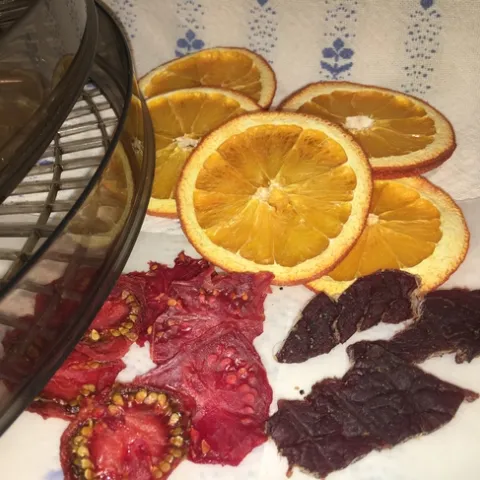
Dehydration!

September 17, 2019
The Dry Facts By Carol Michael UCCE Master Food Preserver I have a bounty of chili peppers in my garden this summer.
View Article
Colusa County: Article

Gourd Workshop

September 17, 2019
Saturday September 21, 9 am to noon Colusa County Fairgrounds, Community Building $20, includes gourd and paint/polish. Guest Gourd Artist Barbara Rippetoe. See flier for more details.
View Article
Fresno County 4-H: Article

September 2019 Guidelines

September 16, 2019
In this Edition: Fresno County 4-H Leaders Council & Committee Meetings, Pg. 2 Fresno County 4-H Enrollment Fees, Pg. 2 Grow Your ClubEarn a Pizza Party, Pg. 2 CCLS (Community Club Leaders)-Need to Know, Pg. 2 4-H Achievement Night An Evening Under the Stars, Pg.
View Article
Primary Image
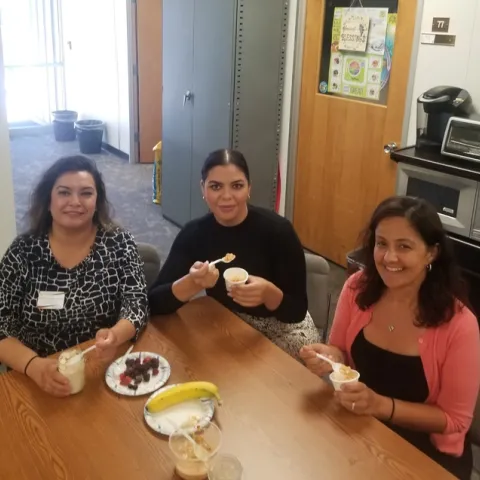
staff healthy snack
UCCE San Bernardino County Consumer and Family Science News: Article

Healthy Snack Day

September 16, 2019
By Christine Davidson
San Bernardino County Expanded Food and Nutrition Education Program promoted Healthy Snack Day throughout the county on September 12th.
View Article
Primary Image
Biologist Iris Bright checks out a red earthworm, one of the items available for sampling at the Bohart Museum of Entomology's open house on Sept. 21. (Photo by Kathy Keatley Garvey)

This Bug's for You! Enjoy Tasty Bugs at the Bohart Museum Open House

September 16, 2019
By Kathy Keatley Garvey
Ever eaten a bug? Sure you have. Insect fragments are in just about all the foods we eat, from chocolate to coffee to wheat flour to pizza sauce to beer and more. An insect control company estimates that we eat, on the average, 140,000 "bug bits" every year. (See Business Insider.
View Article
Primary Image
Biologist Iris Bright, a student at Sacramento City College and a volunteer at the Bohart Museum of Entomology, samples a red earthworm. (Photo by Kathy Keatley Garvey)
Entomology & Nematology News: Article

This Bug's for You at the Bohart Museum Open House Sept. 21

September 16, 2019
By Kathy Keatley Garvey
This bug's for you. Ever tasted a cricket? A mealworm? An earthworm? You can if you attend the Bohart Museum of Entomology open house themed "Gobble, Gobble, Munch, Munch, Crunch: Entomophagy, to be held from 1 to 4 p.m., Saturday, Sept.
View Article