A Natural Solution for California's Herds: African Catfish Peptides

California's cattle producers and agricultural communities are all too familiar with the rising challenge of antibiotic resistance, making common bacterial infections harder to treat in livestock. But imagine a future where we could tackle these infections with a natural, powerful alternative. Our research points to just that: antimicrobial peptides (AMPs) found in African catfish.

We're really excited about these peptides because African catfish thrive in pathogen-rich freshwater, naturally producing these robust immune compounds in their skin mucus as a defense. This natural origin makes them highly appealing alternatives to synthetic drugs.

Predicted Safety and Potent Action

One of the most compelling aspects of these AMPs is their predicted safety for mammals. Our initial computer analyses suggest that various catfish AMPs are generally recognized as safe (GRAS). We predict they'll be absorbed in the human intestine without causing liver, brain, or heart toxicity. Furthermore, lab tests on a promising peptide, NACAP-II, confirmed it was non-hemolytic, meaning it didn't damage rabbit red blood cells—a strong indicator of its potential safety for mammalian cells.

Beyond safety, these peptides demonstrate effectiveness against problematic bacteria. One study revealed NACAP-II's strong activity against Extended-Spectrum Beta-Lactamase (ESBL)-producing Escherichia coli—a critical concern for both animal and human health due to its resistance to many common antibiotics. Another peptide, ACAP-IV, also showed antibacterial activity against E. coli and Staphylococcus aureus. We believe these AMPs work by directly disrupting bacterial cell membranes, a mechanism that makes it harder for bacteria to develop resistance compared to how they resist traditional antibiotics.

Primary Image
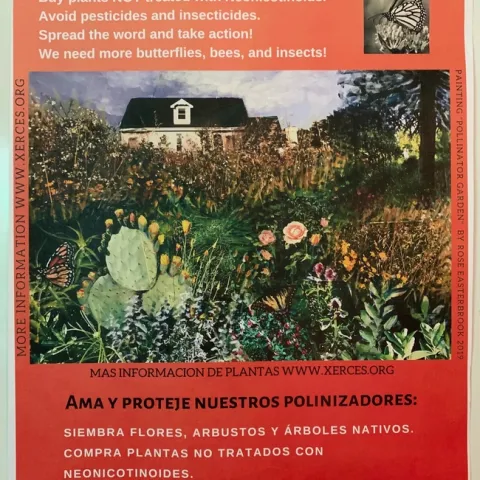
RE Poster
UC Environmental Stewards Blog: Article

Attention is the beginning of devotion

June 19, 2019
'Attention is the beginning of devotion' --Mary Oliver This quote resonates this month, amidst a variety of environmental holidays and celebrations including World Environment Day, World Ocean Day, California Invasive Species Action Week, and finally National Pollinator Week (this week) and Month.
View Article
Colusa County: Article

Sacramento Valley Walnut News - Summer 2019

June 19, 2019
Sacramento Valley Walnut News - Summer 2019 Contents: Walnut Orchard Management Cost and Expense Considerations in a Lean Price Year: IPM on a Budget - Cost Savings Strategies for Insect & Mite Management Maximizing walnut quality to improve value in a low-price year Should You Use Ethephon in a Lea...
View Article
Primary Image
Marty Martino
ANR Employee News: Article

Marty Martino retires from UC IPM

June 19, 2019
By Pamela S Kan-Rice
Marty Martino, UC IPM computer resource specialist, retired Feb. 28 after serving UC for over 29 years. He started working for the university in 1989 and joined the UC IPM Program in 1994.
View Article
Primary Image
A root tip showing the microscopic zones of where cells divide, elongate and form specialized cells such as root hairs.
Nursery and Flower Grower: Article

Take a closer look at roots

June 19, 2019
By Steven A Tjosvold
Roots are often overlooked by horticulturists but deserve to get more attention. Of course, they are usually underground and out of sight so it's somewhat understandable why they can be ignored. But, roots play a critical role in the life of a plant.
View Article
Primary Image
lemon tree vigorous growth
Topics in Subtropics: Article

Citrus Meetings

June 19, 2019
By Ben A Faber
Growers Seminar Continuing Education Units Continuing Education (CE) Units have been applied for through the California Department of Pesticide Regulation for license categories PCA, QAL, QAC and Private Applicators.
View Article
Primary Image
photo by Karen Metz
Under the Solano Sun: Article

Seeing Hot Pokers with New Eyes

June 19, 2019
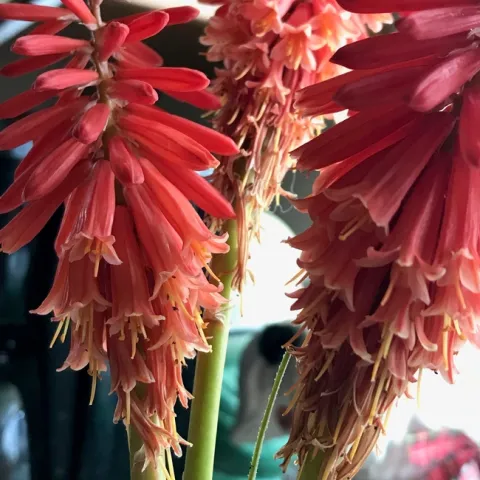
I have long been a fan of Hot Poker, Kniphofia uvaria. I love their tall, dramatic structural presence in the garden. They are low maintenance, as well, which is a huge plus. Because of their height, three to six feet tall, they are generally planted towards the back of the garden bed.
View Article
Kern County: Article

Kern UCCE/DWR Weekly Crop Water Use Report 06-17-2019

June 19, 2019
Please see below link to access "How To Use Weekly Crop Water Use (ET) Reports to Assist Farm Water Management" How To Use Weekly Crop Water Use Report Please see below link to access "Weekly ET Report 06-17-2019" ET Report 06-17-2019 Please see disclaimer link below: University of California Divisi...
View Article
Primary Image
pexels-soil
UC Cooperative Extension, Ventura County: Article

Cover Crops. A Love Story.

June 19, 2019
I love cover crops. I really do. No, I don't think they are the solution to everything or that they work magic in every scenario. But for the scenarios they work in, they are marvelous. Why are these plantings so interesting, you ask? Well, let me tell you about my love interest with cover crops.
View Article