A Natural Solution for California's Herds: African Catfish Peptides

California's cattle producers and agricultural communities are all too familiar with the rising challenge of antibiotic resistance, making common bacterial infections harder to treat in livestock. But imagine a future where we could tackle these infections with a natural, powerful alternative. Our research points to just that: antimicrobial peptides (AMPs) found in African catfish.

We're really excited about these peptides because African catfish thrive in pathogen-rich freshwater, naturally producing these robust immune compounds in their skin mucus as a defense. This natural origin makes them highly appealing alternatives to synthetic drugs.

Predicted Safety and Potent Action

One of the most compelling aspects of these AMPs is their predicted safety for mammals. Our initial computer analyses suggest that various catfish AMPs are generally recognized as safe (GRAS). We predict they'll be absorbed in the human intestine without causing liver, brain, or heart toxicity. Furthermore, lab tests on a promising peptide, NACAP-II, confirmed it was non-hemolytic, meaning it didn't damage rabbit red blood cells—a strong indicator of its potential safety for mammalian cells.

Beyond safety, these peptides demonstrate effectiveness against problematic bacteria. One study revealed NACAP-II's strong activity against Extended-Spectrum Beta-Lactamase (ESBL)-producing Escherichia coli—a critical concern for both animal and human health due to its resistance to many common antibiotics. Another peptide, ACAP-IV, also showed antibacterial activity against E. coli and Staphylococcus aureus. We believe these AMPs work by directly disrupting bacterial cell membranes, a mechanism that makes it harder for bacteria to develop resistance compared to how they resist traditional antibiotics.
Primary Image
Marisa Coyne
ANR Employee News: Article

Names in the News

April 30, 2019
By Pamela S Kan-Rice
Coyne named Master Gardener volunteer engagement coordinator Marisa Coyne is now the academic coordinator - volunteer engagement for UC Master Gardener Program as of April 8.
View Article
Primary Image
Alejandro Del Pozo-Valdivia, UC IPM advisor, was featured in the Entomological Society of America's “Standout ECPs” series, which highlights outstanding early career professionals who are doing great work in the profession.
ANR News Blog: Article

ANR in the news April 1-18

April 30, 2019
By Pamela S Kan-Rice
How One Entomologist Found His Calling as an IPM Facilitator (Entomology Today) Lina Bernaola, April 18 Alejandro Del Pozo-Valdivia, Ph.D., is currently an IPM entomology advisor at the University of California Cooperative Extension.
View Article
Cooperative Extension, Sutter-Yuba Counties: Article

Sacramento Valley Prune News - Spring 2019

April 30, 2019
Prune Management Considerations: Spring - Summer The Advantages of Tighter Spacing and Greater Light Interception in California Prune Orchards Thinning Prunes Updated cost of producing prunes now available Spring Prune "Cropload Check" Field Meeting 2019 UC IPM Breakfast Meetings...
View Article
Napa Master Gardener Column: Article

Unusual Culinary Herbs.

April 30, 2019
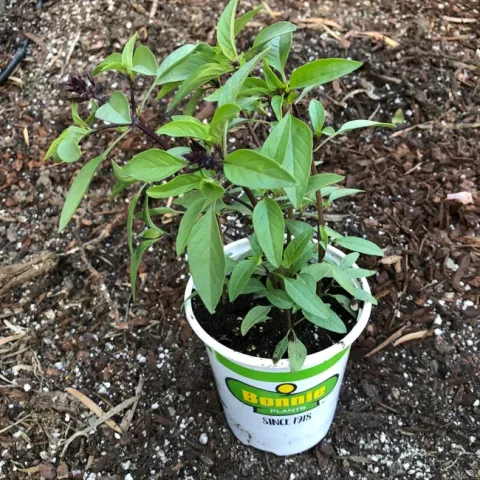
By T. Eric Nightingale, UC Master Gardener of Napa County One of my favorite parts of home gardening is growing my own herbs. Fresh herbs add depth of flavor to food that dried herbs simply can't match, plus many documented health benefits.
View Article
ANR Adventures: Article

Meeting overload

April 29, 2019
By Wendy Powers
Today was full of meetings. Strategic plan goal owners met to talk about progress on the plan, identify successes and obstacles, remind each other that we have a Wednesday deadline to provide updates into the Smartsheet project tracker. I hope to complete my updates early tomorrow morning.
View Article
Primary Image
A honey bee packing blue pollen from the tower of jewels, Echium wildpretii. (Photo by Kathy Keatley Garvey)
Bug Squad: Article

A Honey of a Festival on Saturday, May 4

April 29, 2019
By Kathy Keatley Garvey
In the honey bee colony, you'll see a workforce like no other. You'll see nurse maids, nannies, royal attendants, builders, architects, foragers, dancers, honey tenders, pollen packers, propolis or "glue" specialists, air conditioning and heating technicians, guards, and undertakers.
View Article
Primary Image
Attendees watch tree planting.
The Stanislaus Sprout: Article

Planting and Pruning Ornamental Trees

April 29, 2019
By Anne E Schellman
Importance of Tree Selection: When choosing a tree, you want to select one that has the size and characteristics suitable for your site. A well-chosen tree can save up to 15% in energy costs.
View Article
Primary Image
Paula Rivadeneira, U of A Food Safety and Wildlife Specialist, presents on past research on pathogen movement in the low desert. Picture by Jairo Diaz
DREC: Article

2019 LIVESTOCK FOOD SAFETY WORKSHOP

April 29, 2019
By Brooke C Latack
Participants representing Imperial County cattle feedlots came together on April 22nd to discuss food safety at the Livestock Food Safety Workshop held at UC DREC.
View Article