Native plants are plants that grew in Marin and other California counties before European contact. Non-native plants are plants that have been introduced to Marin and other California counties as a result of European contact.
Much of the pruning guidance given in the section on “Pruning Fundamentals” applies equally to native plants. However, there are important differences.
Natives follow a different timetable Like non-native plants, some native plants flower and fruit on new wood, some on old wood and some on both. However, the timetable for major pruning of natives does not usually follow the same cycle as non-native plants, which tend to enter dormancy when days shorten and temperatures cool - hence major pruning for non-natives occurs in the winter.
Summer dormancy is typical for natives Most native plants tend to enter dormancy when days lengthen and temperatures warm. That is, many native plants have adapted to Marin’s hot, dry summer weather by entering dormancy when rainfall is scarce.
Major pruning of these plants occurs in the summer. However, pruning native plants can vary depending upon the characteristics of the plant that the gardener wants to promote.
WHAT to Prune
Some native plants are prized for their flowers, some for their fruit, some for their leaf color and texture, and some for their branch structure. Therefore, what a gardener decides to remove is often guided by what that gardener prizes in a native plant and wants to accent.
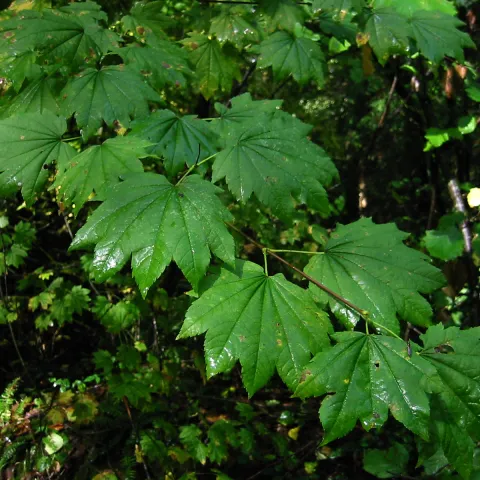
Scientific Name: Acer circinatum Prized for Leaf detail and graceful structure. Blooms on New woodWhen to Prune Winter or very early spring (Ideal: February).What to Prune Use thinning cuts to reveal the structure. Pluck leaves in dense areas. > BACK TO PRUNING TIPS FOR NATIVE PLANTS
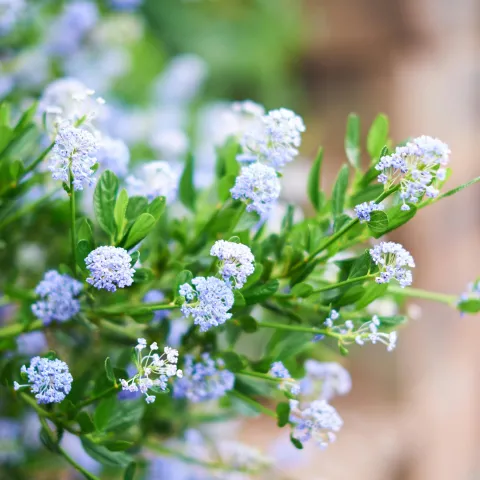
Scientific Name Ceanothus spp. Prized for Dense flower cover; and dark green leaves. Blooms on Old wood and new wood.When to Prune Prune after bloom - in the spring, after the rains have ended. Ceanothus are susceptible to apricot canker if pruned in wet weather. Note: The plant may have two or more…
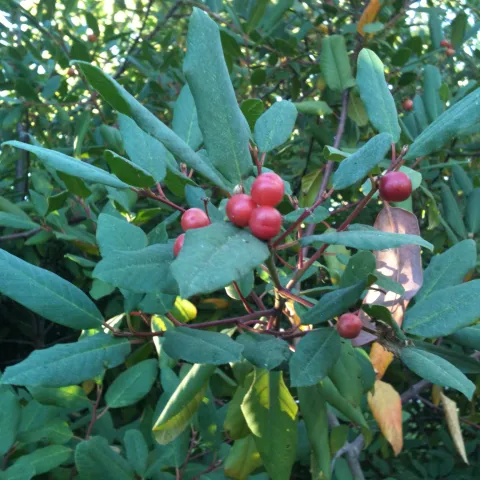
Scientific Name Rhamnus californica Prized for Deep green foliage. Blooms on N / A When to Prune After the winter bloom and the berries have faded. Can be lightly pruned all year.What to Prune Use small thinning cuts and tip pruning to establish the structure and to control the form. Structure may…
Scientific Name Ribes spp. Prized for Flowers; and dark green foliage Blooms on Old woodWhen to Prune June, July (Early Summer, after the winter bloom and the spring growth).What to Prune Use thinning cuts to reveal the structure of the plant. The stems are not long-lived. Therefore, taking out only…
Scientific Name Lyonothamnus floribundus Prized for Flowers; peeling bark; and leaf structure. Blooms on N / A When to Prune January, but can remove dead material and persistent seed heads in late summer.What to Prune Use thinning cuts to open and reveal the structure.> BACK TO PRUNING TIPS FOR…
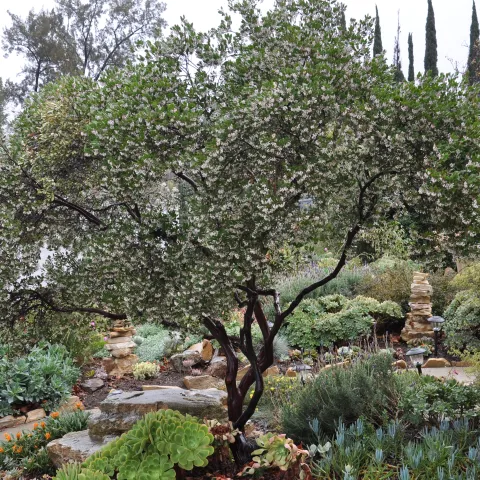
Scientific Name Arctostaphylos spp. Prized for Delicate flowers and leaves; twisting trunk and branches; and shiny red bark. Blooms on Old wood.When to Prune August, September, October, before flower buds emerge. Flowers form after the summer dormant season on old wood and bloom from the early winter…
Scientific Name Cercis occidentalis Prized for Mass of pink flowers; and twisting branches and trunk. Blooms on Old woodWhen to Prune August – OctoberWhat to Prune Use thinning cuts to reveal the branch and trunk structure which is striking in the winter.> BACK TO PRUNING TIPS FOR NATIVE PLANTS
Scientific Name Amelanchier utahensis Prized for Berries. Upright structure. Blooms on Old woodWhen to Prune JanuaryWhat to Prune It is best to thin canes from the bottom of the plant. Avoid heading cuts at mid-cane. They may produce “witches broom”, i.e., sprout lots of new growth at the end,…
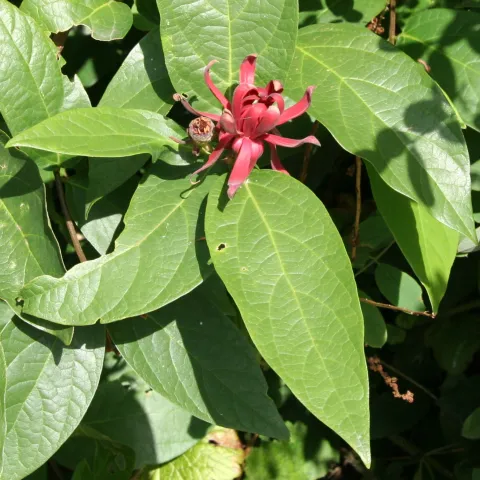
Scientific Name Calycanthus occidentalis Prized for Lush foliage; red flowers; and seedpods. Blooms on New woodWhen to Prune JanuaryWhat to Prune One approach is to keep the plant full by tip pruning only. Alternatively, a plant can be trained as small, multi-trunk tree by using thinning and…
Scientific Name Heteromeles arbutifolia Prized for Bright red berries in November and December. Blooms on Old woodWhen to Prune If interested in the berries, prune in January. If not interested in the berries, prune in August or September.What to Prune Prune for structure in August or September,…