

With every fire season, more of California’s landscapes and communities are in need of post-fire resources and recovery tools. The Fire Network provides post-fire programming and resources, including research and monitoring to address ongoing challenges in ecosystem restoration in novel post-fire environments, technical expertise and support for recovering urban and rural communities, and statewide Post-Fire Forest Resilience Workshops to assist private forest landowners recovering from catastrophic wildfire.
Wildfire recovery does not happen overnight. It is a steady process of assessing damage, evaluating new conditions, and deciding on what to do next. Assess your situation and identify potential pathways to recovery by using the resources below.
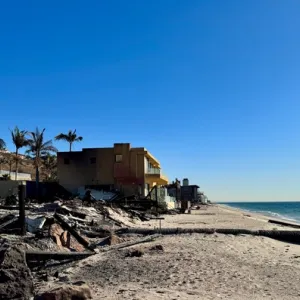
Recovery Resources for Homeowners
California residents and homeowners who have experienced wildfire can face major hurdles during the recovery process, including issues with rebuilding, near-home soil contamination, drinking water safety, and others. Learn how to protect yourselves and your households, and communities in a post-fire environment.

Recovery Resources for Forest Landowners
Forest restoration following wildfire is a complex, multi-year process involving a critically timed erosion control and mitigation, mortality and hazard tree assessments, and carefully planned reforestation projects.
Discover resources for forest landowner recovery with UCCE's Post-Fire Forest Resilience Team.

Recovery Resources for Farmers and Ranchers
California's farmers and ranchers who have experienced wildfire can face many challenges during the recovery process including crop loss, infrastructure damage, impacts to livestock health and others.
Learn how to care for livestock and recover operational resources.