Correct awareness of our consumption and use of water are the key factors that affect water use behavior. We can efficiently provide water to our plants in ways that allow us to have a beautiful garden and landscape while minimizing our use of water. Managing water use for plants changes throughout the year…
These tasks are applicable each month of the year. They follow sustainable and organic principles. Applying one to two-inches of aged compost to your vegetable gardens will improve soil tilth and plant nutrition.
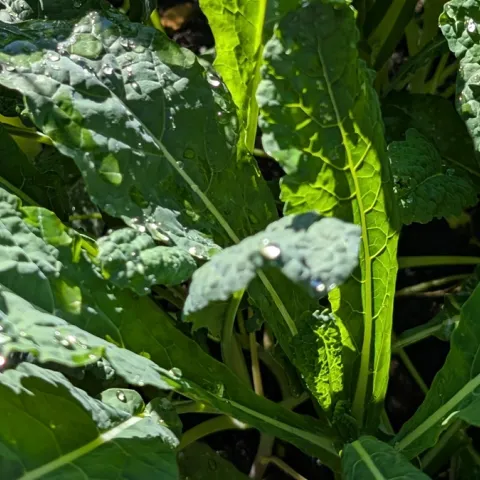
Kale and collards, a type of kale, share the same species, Brassica oleracea, and are considered non-heading or loose-leaf members of the cabbage family. Both grow best in the cool season, sweetened by frost.
We are trained and certified University of California (UC) volunteers who provide unbiased, high-quality, science-based information to non-commercial home gardeners of Sonoma County.
Lawns don't really belong in a summer-dry Mediterranean climate like Sonoma County. Tips for removal and plant replacement of existing lawns for a beautiful garden.
Aprende a convertir los desechos generados en tu jardn y los desechos generados en la cocina en una composta rica en nutrientes, la cual puedes utilizar como una enmienda de tierra o como mantillo en tu jardn.
If you must have a lawn, raise mower blade to 3 inches. Photo credit: Ulrike Mai from Pixabay If your power and water bills rise dramatically every summer, your garden might not be as green as it looks. Although a beautiful garden can bring joy, it can also waste energy.
Gardening extremes occur when unexpected weather conditions challenge plant growth and survival. Frost, heat, floods, wind, and drought are all environmental changes that can result in plant injury. Plant damage can be sudden and severe or it may occur over time.