UC ANR is committed to providing an accessible and inclusive web experience for all users. If you encounter an accessibility barrier or need content in an alternative or remediated accessible format, please contact anraccessibility@ucanr.edu.
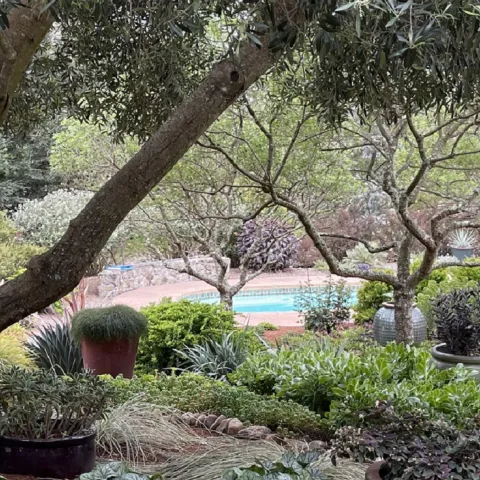
Have a shady nook that needs attention? There is a world of gorgeous plants up for the job. They come in every imaginable shade of green from pastel to chartreuse, emerald, and deep forest green. Shade plants are often slower growing than sun-loving species.
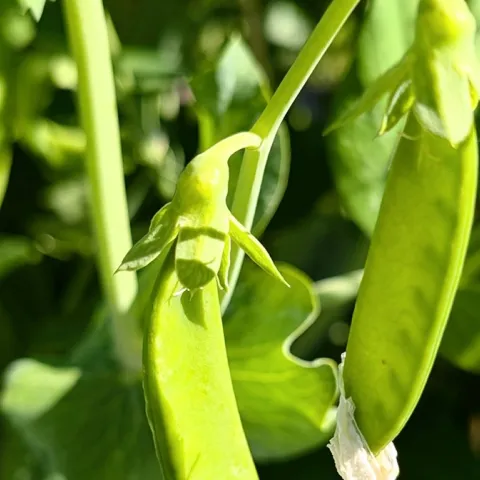
Starting seeds in pots can give your vegetables, herbs, and flowers a head start before being transplanted into the garden. This makes it possible to enjoy earlier harvests and earlier blooms. Sturdy transplants can better withstand pests, diseases, and difficult weather.
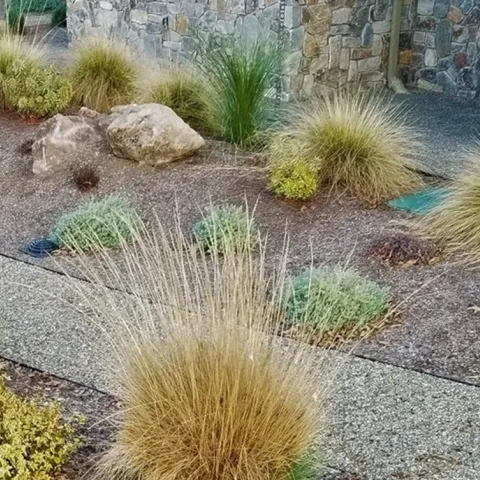
Learn effective landscape watering strategies for drought conditions, helping conserve water while keeping plants healthy and thriving during dry spells.
Our demonstration gardens showcase best practices for home gardeners and provide hands-on gardening experiences. Gardens are open to the public (days and hours vary by location).
You're invited to visit, ask questions, and garden with us when we're working in the garden.
For the Tuolumne County Master Gardener Hotline 209-533-5912 mgtuolumne@ucdavis.edu Debbie Powell, Master Gardener Program Coordinator 209-533-5696 dlpowell@ucanr.edu.
By Alexander I Putman, Yu-Chen Wang, Christopher A Greer
Tolerance of lettuce varieties to Fusarium wilt 2024 Alex Putman, Yu-Chen Wang, and Chris Greer Summary Fusarium wilt of lettuce, caused by Fusarium oxysporum f. sp. lactucae (FOL), is an economically significant disease on the Central Coast of California.
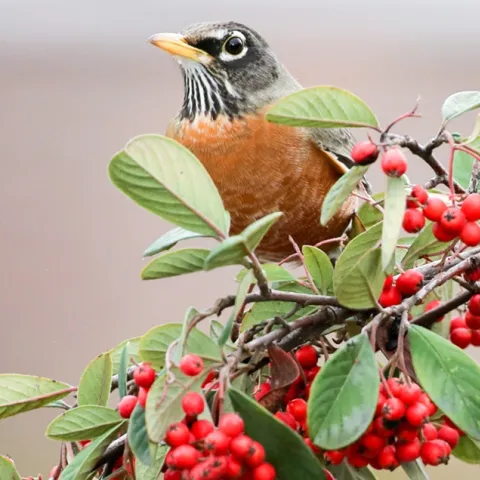
National Invasive Species Week (NISW) happens every year to raise awareness about the growing problem of invasive plants and animals in the United States.
At UC IPM we recognize pesticide safety education every month, but February in particular is National Pesticide Safety Education Month! Below are some simple tips for using pesticides safely to protect yourself, others, wildlife, and the environment.
From February 24 - 28, 2025, help increase public awareness of invasive species and join the fight against invasive species by participating in National Invasive Species Action Week (NISAW).