Types of BeansSnap beans – Beans and pods eatenFilet or French Green Bean – more slenderShelled beans – Only the bean is eatenDry Beans – Beans typically dried prior to rehydrating and eaten (pinto)Bean Growth ClassificationPole – Requiring support, Longer production periodBush – Not requiring support,…
SoilPepper plants grow best in warm well drained soil. Ideal soil Ph is 6.0 to 6.8 range. A soil enriched with plenty of compost and organic material will require less fertilizer. Fertilizers of a 1-2-2 ratio are often used for growing peppers.ConditionsPeppers love the warm temperatures. They need 6-8 hrs…
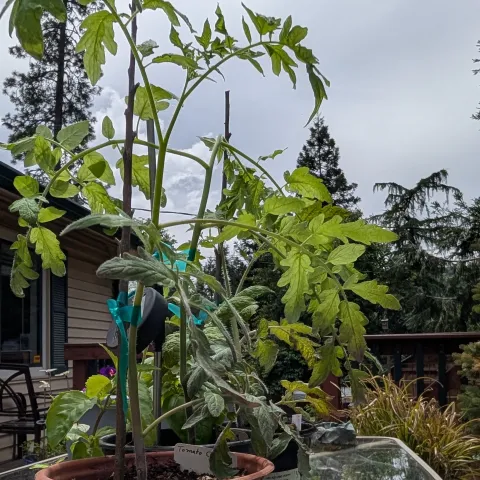
Tomato SoilpH 6.2-6.8 (Tahoe/Truckee native soil) is best. Prep area by mixing in 10-10-10 fertilizer and organic matter to improve moisture-holding capacity. Plants are thirsty and hungry.Planting TomatoesTomatoes can be grown on native soils, raised beds or containers. Container growing is most successful…
Drinking Water Week 2026From Source to System: A Regional Check on Reliability, Risk, and Responsibility.Drinking Water Week, observed May 3 to 9 for this year (2026), is often treated as a public awareness moment. For agencies, engineers, regulators, and policymakers, it should function as a…
As we get ready for this year’s vegetable garden planting season, I begin thinking about summer heat. Pretty much every year in late July, my family slides into a tomato depression thinking that all those beautiful green tomatoes will never get ripe. It depresses me to even think about it. However, this year…
Buying large to break down into small is not practical and possibly unsafe. Buying large tins of canned foods, such as tomatoes and vegetables, can certainly save a lot of money, but not if you can’t consume the product before it spoils. Buying in bulk with the intention of breaking the contents (or…
That's rutin; weird looking, but perfectly safe to eat If you’ve ever canned your own pickled asparagus, you may have been surprised at some point to find little crystals deposited along the spears. These crystal formations are rutin, which is a pigment that occurs naturally in asparagus. Usually…
Safe Preserving Resources There are many books and websites covering food preserving, but unfortunately not all of them provide good advice. Some sources provide processes or recipes that are downright dangerous. So where do you turn for research-based, reliable information? Or to find safe information…
Safe ingredient swaps for home-canned salsa Salsa contains a combination of high- or borderline high-acid ingredients (such as tomatoes or fruit) and low-acid ingredients (such as peppers, onions, or other vegetables). Acid in the form of vinegar or bottled lemon juice is added to ensure the appropriate…
Salt is salt is salt - except when it's more than salt Salt is an essential mineral for health and one of the five basic human tastes. It’s indispensible in the kitchen for many reasons beyond taste. Whether gathered from coastal or inland salt pans, evaporated from sea water, or mined from salt…