A Natural Solution for California's Herds: African Catfish Peptides

California's cattle producers and agricultural communities are all too familiar with the rising challenge of antibiotic resistance, making common bacterial infections harder to treat in livestock. But imagine a future where we could tackle these infections with a natural, powerful alternative. Our research points to just that: antimicrobial peptides (AMPs) found in African catfish.

We're really excited about these peptides because African catfish thrive in pathogen-rich freshwater, naturally producing these robust immune compounds in their skin mucus as a defense. This natural origin makes them highly appealing alternatives to synthetic drugs.

Predicted Safety and Potent Action

One of the most compelling aspects of these AMPs is their predicted safety for mammals. Our initial computer analyses suggest that various catfish AMPs are generally recognized as safe (GRAS). We predict they'll be absorbed in the human intestine without causing liver, brain, or heart toxicity. Furthermore, lab tests on a promising peptide, NACAP-II, confirmed it was non-hemolytic, meaning it didn't damage rabbit red blood cells—a strong indicator of its potential safety for mammalian cells.

Beyond safety, these peptides demonstrate effectiveness against problematic bacteria. One study revealed NACAP-II's strong activity against Extended-Spectrum Beta-Lactamase (ESBL)-producing Escherichia coli—a critical concern for both animal and human health due to its resistance to many common antibiotics. Another peptide, ACAP-IV, also showed antibacterial activity against E. coli and Staphylococcus aureus. We believe these AMPs work by directly disrupting bacterial cell membranes, a mechanism that makes it harder for bacteria to develop resistance compared to how they resist traditional antibiotics.
Primary Image
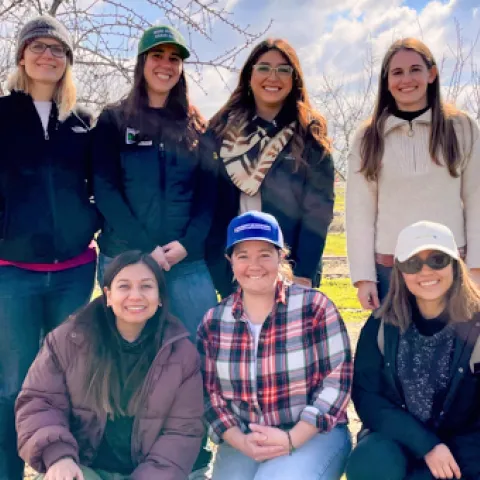
photo by Tina Saravia
Under the Solano Sun: Article

I'm a New Grafter

March 16, 2023
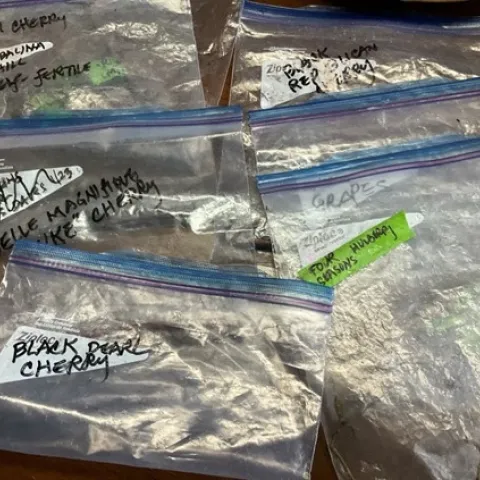
My friend Ann invited me to go with her to the scion exchange in Santa Rosa. The Redwood Chapter of the California Rare Fruit Growers (CRFG) put together the annual event. I've heard about this event for many years but this was the first time I've attended.
View Article
Primary Image
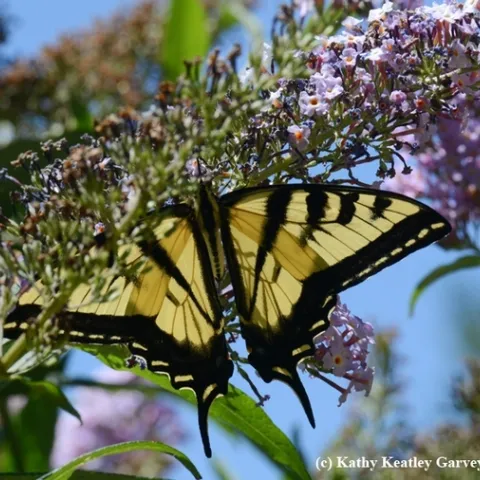
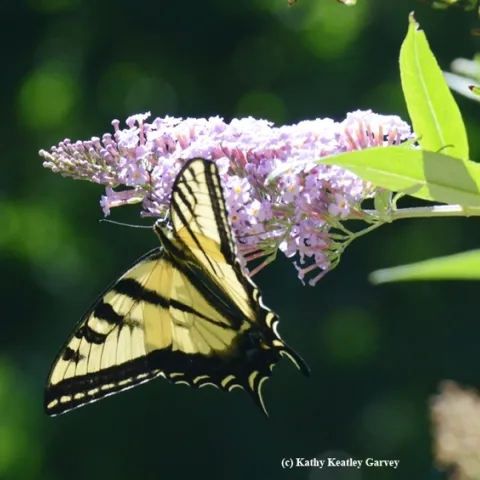
A Western tiger swallowtail, Papilio rutulus, in the UC Davis Arboretum and Public Garden. (Photo by Kathy Keatley Garvey)
Bug Squad: Article

Big Bioblitz Set April 29 at UC Davis: Plants, Animals and More

March 15, 2023
By Kathy Keatley Garvey
Mark your calendar! A BioBlitz is set from 9 to 11 a.m., Saturday, April 29 in the UC Davis Arboretum and Public Garden. It's being hosted by UC Davis doctoral student Grace Horne of the Department of Entomology and Nematology.
View Article
Kern County: Article

Kern UCCE/DWR Weekly Crop Water Use Report 03-06-2023

March 15, 2023
Please see below link to access "How To Use Weekly Crop Water Use (ET) Reports to Assist Farm Water Management" How to Use Weekly Crop Water Use Report Please see below link to access "Weekly ET Report 03-06-2023" ET Report 03-06-2023 Please see disclaimer link below: University of California Divisi...
View Article
Primary Image
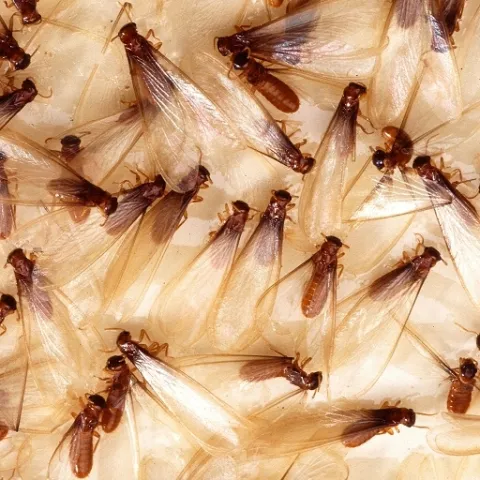
Winged subterranean termites. Photo credit: Scott Bauer, USDA Agricultural Research Service, Bugwood.org

Got Termites?

March 15, 2023
By Lauren Fordyce
Termite Awareness Week is a campaign created by the National Pest Management Association to call attention to the damage termites can cause to structures and to make sure residents and professional pest managers understand how to prevent and deal with termite infestations.
View Article
Primary Image
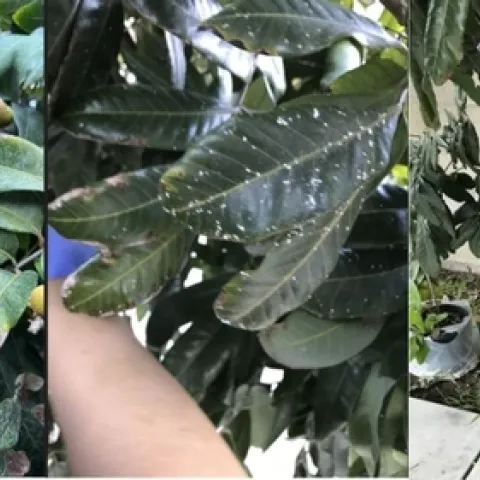
longann
Topics in Subtropics: Article

Growing Longan in Southern California

March 15, 2023
By Hung K Doan
Dimocarpus longan, commonly known as the longan and dragon's eye, is a subtropical tree species that produces edible fruit. There are numerous cultivars of longan, but only 30 to 40 are grown commercially. In the United States, longan is grown in Hawaii, Florida, and South California.
View Article