A Natural Solution for California's Herds: African Catfish Peptides

California's cattle producers and agricultural communities are all too familiar with the rising challenge of antibiotic resistance, making common bacterial infections harder to treat in livestock. But imagine a future where we could tackle these infections with a natural, powerful alternative. Our research points to just that: antimicrobial peptides (AMPs) found in African catfish.

We're really excited about these peptides because African catfish thrive in pathogen-rich freshwater, naturally producing these robust immune compounds in their skin mucus as a defense. This natural origin makes them highly appealing alternatives to synthetic drugs.

Predicted Safety and Potent Action

One of the most compelling aspects of these AMPs is their predicted safety for mammals. Our initial computer analyses suggest that various catfish AMPs are generally recognized as safe (GRAS). We predict they'll be absorbed in the human intestine without causing liver, brain, or heart toxicity. Furthermore, lab tests on a promising peptide, NACAP-II, confirmed it was non-hemolytic, meaning it didn't damage rabbit red blood cells—a strong indicator of its potential safety for mammalian cells.

Beyond safety, these peptides demonstrate effectiveness against problematic bacteria. One study revealed NACAP-II's strong activity against Extended-Spectrum Beta-Lactamase (ESBL)-producing Escherichia coli—a critical concern for both animal and human health due to its resistance to many common antibiotics. Another peptide, ACAP-IV, also showed antibacterial activity against E. coli and Staphylococcus aureus. We believe these AMPs work by directly disrupting bacterial cell membranes, a mechanism that makes it harder for bacteria to develop resistance compared to how they resist traditional antibiotics.


Primary Image
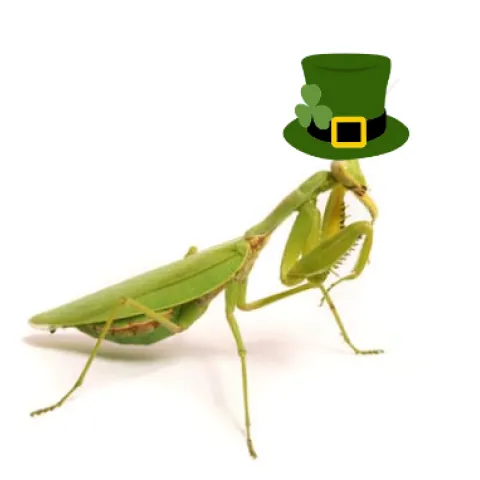
Praying mantis: "I'm hungry! What's to eat?" (Photo by Kathy Keatley Garvey)
Bug Squad: Article

To Catch a Cabbage White...On a Wing and a Prayer

December 28, 2022
By Kathy Keatley Garvey
To catch a cabbage white butterfly... It was early October and a gravid praying mantis, almost ready to deposit her ootheca, was hungry. She crawled behind a cactus in our yard, waiting for prey. It did not take long.
View Article
Primary Image
In flight, a cabbage white butterfly, Pieris rapae, heads for lantana. (Photo by Kathy Keatley Garvey)
Entomology & Nematology News: Article

Beer-for-a-Butterfly Contest Begins Jan. 1

December 28, 2022
By Kathy Keatley Garvey
When the annual Beer-for-a-Butterfly Contest, hosted by UC Davis distinguished professor Art Shapiro as part of his scientific research, gets underway on Sunday, Jan. 1, it will be of special interest.
View Article
UC Master Gardener Program of Contra Costa County: Article

Program Coordinator Dawn Kooyumjian Welcomes Class of 2023

December 27, 2022
by David George I was honored with the opportunity to interview Dawn Kooyumjian, the Coordinator of both the Alameda and Contra Costa Countys UC Master Gardener programs for this special Class of 2023 issue.
View Article
UC Master Gardener Program of Contra Costa County: Article

When You Meet Them

December 27, 2022
Be sure to say hello to our wonderful new group of trainees, the Class of 2023. They have taken the time to introduce themselves to us with, what must be for them, painfully brief bios, but nonetheless packed with information about their lives and their passions.
View Article
Primary Image
NewClassTrainingTeam
UC Master Gardener Program of Contra Costa County: Article

Classroom Training Team

December 27, 2022
Thank you to Class of 2023 Classroom Training Team...
View Article
Primary Image
A cabbage white butterfly, Pieris rapae, nectaring on catmint (Nepeta) in Vacaville, Calif. (Photo by Kathy Keatley Garvey)
Bug Squad: Article

Beer-for-Butterfly Contest Set; Why It's of Special Interest This Year

December 27, 2022
By Kathy Keatley Garvey
UC Davis distinguished professor Art Shapiro's annual Beer-for-a-Butterfly Contest, in which he trades a pitcher of beer (or its equivalent) for the first-of-the-year cabbage white butterfly collected in a three-county area, is of special interest this year.
View Article
Primary Image
Photo by Andrea Peck
UC Master Gardeners- Diggin' it in SLO: Article

Lupine

December 27, 2022
Lupinus By Andrea Peck UCCE Master Gardener Common name of plant: Staircase Lupine Scientific name: Lupinus Planting area: Perennial in USDA zones 4-8 Size: 18-24 Tall and Wide Bloom Season: Spring through summer Exposure: Full sun to partial shade.
View Article