A Natural Solution for California's Herds: African Catfish Peptides

California's cattle producers and agricultural communities are all too familiar with the rising challenge of antibiotic resistance, making common bacterial infections harder to treat in livestock. But imagine a future where we could tackle these infections with a natural, powerful alternative. Our research points to just that: antimicrobial peptides (AMPs) found in African catfish.

We're really excited about these peptides because African catfish thrive in pathogen-rich freshwater, naturally producing these robust immune compounds in their skin mucus as a defense. This natural origin makes them highly appealing alternatives to synthetic drugs.

Predicted Safety and Potent Action

One of the most compelling aspects of these AMPs is their predicted safety for mammals. Our initial computer analyses suggest that various catfish AMPs are generally recognized as safe (GRAS). We predict they'll be absorbed in the human intestine without causing liver, brain, or heart toxicity. Furthermore, lab tests on a promising peptide, NACAP-II, confirmed it was non-hemolytic, meaning it didn't damage rabbit red blood cells—a strong indicator of its potential safety for mammalian cells.

Beyond safety, these peptides demonstrate effectiveness against problematic bacteria. One study revealed NACAP-II's strong activity against Extended-Spectrum Beta-Lactamase (ESBL)-producing Escherichia coli—a critical concern for both animal and human health due to its resistance to many common antibiotics. Another peptide, ACAP-IV, also showed antibacterial activity against E. coli and Staphylococcus aureus. We believe these AMPs work by directly disrupting bacterial cell membranes, a mechanism that makes it harder for bacteria to develop resistance compared to how they resist traditional antibiotics.
Primary Image
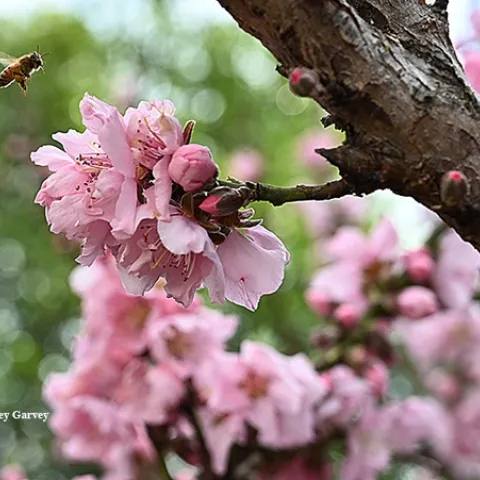
A honey bee, cooped up in a hive for weeks due to the rain and cold, heads for a nectarine blossom in Vacaville, Calif. (Photo by Kathy Keatley Garvey)
Bug Squad: Article

Where, Oh Where, Can They Bee?

March 14, 2023
By Kathy Keatley Garvey
The nectarines are bursting into bloom, but where are the honey bees? Well, they're huddled inside their colonies as California storms erupt with a vengeance reserved for politics. The bees venture out...one here...one there...
View Article
Primary Image
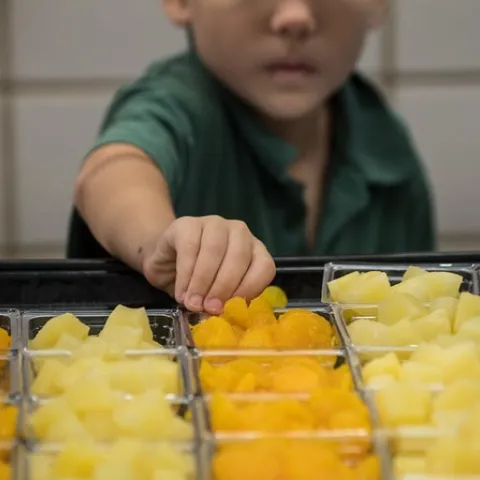
A young boy reaches for fruit in the cafeteria lunch line.

Universal school meals increased student participation, lessened stigma

March 14, 2023
By Danielle Lee, Lorrene D Ritchie, Wendi Gosliner
The COVID-19 pandemic exacerbated food and nutrition challenges. Many families initially lost access to meals offered by school and childcare facilities, experienced unemployment or work reductions, and faced increasing prices for food and other necessities.
View Article
Colusa County: Article

Winter Preparedness

March 14, 2023
Today is not a one day event. As the snow melts it will fill the rivers, streams and lakes. Flooding is very possible in all areas. Please read the attached to help be prepared.
View Article
Primary Image
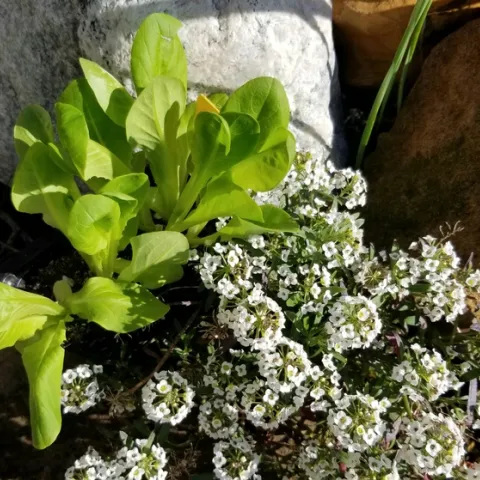
photos by Karen Norton
Under the Solano Sun: Article

Companion Planting Alyssum with Lettuce

March 14, 2023
After attending a container gardening workshop, I discovered an article based on the findings by Agriculturalist Research Service, horticulturist, Eric Brennan that organic lettuce growers like to use alyssum in their fields of lettuce to help control aphids.
View Article
Article

Safety - Winter weather advisory

March 13, 2023
By Pamela S Kan-Rice
Dear Colleagues, Through Wednesday, California is expecting rounds of heavy rain, mountain snow, high winds, with potential for flooding, downed trees/debris and power outages. Please stay safe.
View Article
Primary Image
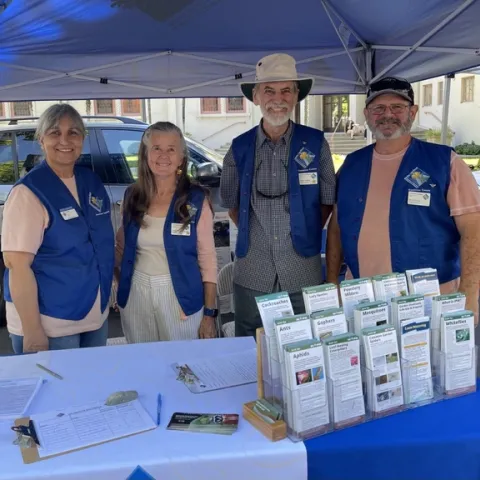
Four smiling people wearing blue vests behind a table with brochures.
The Stanislaus Sprout: Article

Saturday, March 18, 2023 Events

March 13, 2023
By Anne E Schellman
Hope to see you at one of these events happening this weekend, Saturday, March 18, 2023. Modesto Farmers Market Look for our booth at the Modesto Farmers Market, located behind the Modesto Stanislaus County Library branch on 1522 H' Street.
View Article
Primary Image
ACP adult and nymph
Topics in Subtropics: Article

Response Guide to ACP Detection

March 13, 2023
By Ben A Faber
NEW HLB Detection Response Guide for Growers To ensure California citrus growers are well prepared in the event of a potential commercial grove detection of Huanglongbing (HLB), the Citrus Pest and Disease Prevention Program (CPDPP) has developed the Response Guide for a Confirmed HLB Positive Detec...
View Article