A Natural Solution for California's Herds: African Catfish Peptides

California's cattle producers and agricultural communities are all too familiar with the rising challenge of antibiotic resistance, making common bacterial infections harder to treat in livestock. But imagine a future where we could tackle these infections with a natural, powerful alternative. Our research points to just that: antimicrobial peptides (AMPs) found in African catfish.

We're really excited about these peptides because African catfish thrive in pathogen-rich freshwater, naturally producing these robust immune compounds in their skin mucus as a defense. This natural origin makes them highly appealing alternatives to synthetic drugs.

Predicted Safety and Potent Action

One of the most compelling aspects of these AMPs is their predicted safety for mammals. Our initial computer analyses suggest that various catfish AMPs are generally recognized as safe (GRAS). We predict they'll be absorbed in the human intestine without causing liver, brain, or heart toxicity. Furthermore, lab tests on a promising peptide, NACAP-II, confirmed it was non-hemolytic, meaning it didn't damage rabbit red blood cells—a strong indicator of its potential safety for mammalian cells.

Beyond safety, these peptides demonstrate effectiveness against problematic bacteria. One study revealed NACAP-II's strong activity against Extended-Spectrum Beta-Lactamase (ESBL)-producing Escherichia coli—a critical concern for both animal and human health due to its resistance to many common antibiotics. Another peptide, ACAP-IV, also showed antibacterial activity against E. coli and Staphylococcus aureus. We believe these AMPs work by directly disrupting bacterial cell membranes, a mechanism that makes it harder for bacteria to develop resistance compared to how they resist traditional antibiotics.
Nutrition Policy Institute News: Article

NPI leads special issue on improving school nutrition and student health in International Journal of Environmental Research and Public Health

December 8, 2022
By Danielle Lee, Lorrene D Ritchie
Nutrition Policy Institute researchers served as guest editors for a special issue in the International Journal of Environmental Research and Public Health (IJERPH) focusing on 21st-century global innovations in school nutrition to improve the diet, food security, and ultimately the health and well-...
View Article
Primary Image
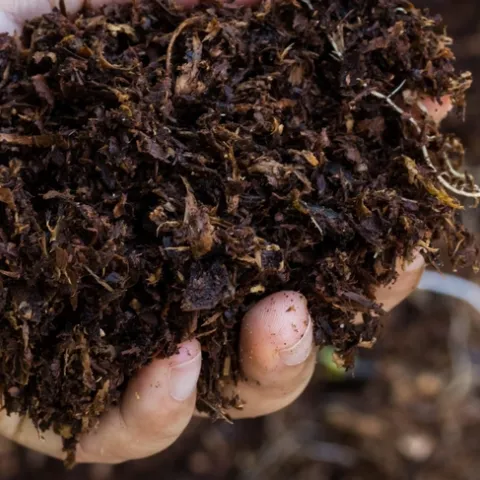
Compost
Under the Solano Sun: Article

Leaves

December 8, 2022
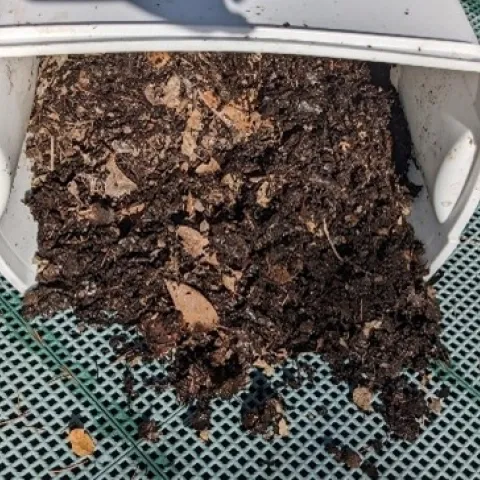
What do you think of when you see leaves? By now you have heard leaves are good, maybe you even have some in your compost pile. You may know from Compost 101 that compost does best with a mix of browns and greens, and that fallen leaves are usually a brown.
View Article
Citrus IPM News: Article

Citrus fruit display and tasting weekend at Lindcove REC

December 7, 2022
By Sandipa Gautam
This weekend Lindcove hosts the annual citrus fruit display. Event: Oranges, mandarins, lemons, limes, grapefruit, pomelos, and citrons and many other citrus varieties 180 citrus varieties will be on display Place: Lindcove REC, 22963 Carson Avenue Time: 9:00 AM to 12:00 PM.
View Article
Primary Image
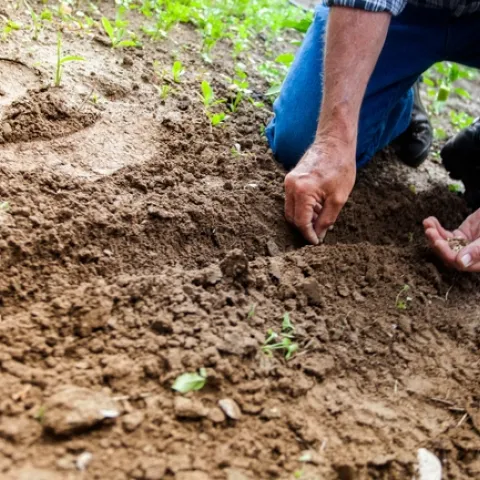
soil
Garden News & Views: Article

Good Soil Health Begins and Ends With Organic Matter

December 7, 2022
Soil, rather than dirt, is a living ecosystem that supports plant life. When soil is healthy and aerobic, it protects plants from disease, retains and gives access to nutrients, decomposes toxins, and builds soil structure. One very important component of healthy soil is organic matter.
View Article
Primary Image
Person planting seeds in soil
UC Master Gardener Program Statewide Blog: Article

Common soil problems in the garden, and how to fix them!

December 7, 2022
By Melissa G Womack
Soil quality is critical to healthy plants and is a vital part of our living ecosystem. Soil is alive with organisms; their populations change depending on what is added, how the soil is used, and environmental conditions.
View Article
Primary Image
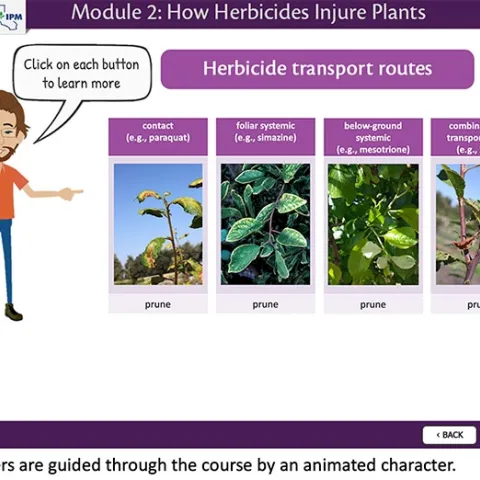
IPM character guiding course
Topics in Subtropics: Article

Happy IPM New Year Courses

December 7, 2022
By Ben A Faber
What Are the UC Ag Experts Talking About? For 2023 Event NameDate UC Ag Experts Talk: Vegetable IPM in the Sacramento Valley 2/22/2023 UC Ag Experts Talk: Insects in the Vineyard 4/19/2023 UC Ag Experts Talk: Flatheaded borer concerns in California walnuts 5/31/2023 What is involved in the webinars?
View Article
Primary Image
Photo by Megan Edwards
UC Master Gardeners- Diggin' it in SLO: Article

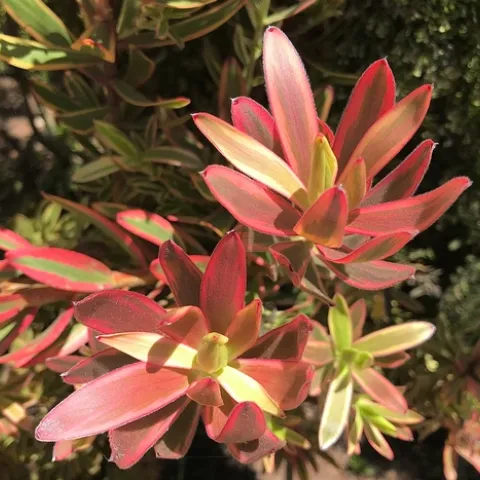
Leucadendron

December 6, 2022
Leucadendron By Megan Edwards UCCE Master Gardener jester conebush' or safari sunrise' Family: Proteaceae (proteas) Planting areas: H1, Sunset Zones 16,17, 20-24.
View Article