A Natural Solution for California's Herds: African Catfish Peptides

California's cattle producers and agricultural communities are all too familiar with the rising challenge of antibiotic resistance, making common bacterial infections harder to treat in livestock. But imagine a future where we could tackle these infections with a natural, powerful alternative. Our research points to just that: antimicrobial peptides (AMPs) found in African catfish.

We're really excited about these peptides because African catfish thrive in pathogen-rich freshwater, naturally producing these robust immune compounds in their skin mucus as a defense. This natural origin makes them highly appealing alternatives to synthetic drugs.

Predicted Safety and Potent Action

One of the most compelling aspects of these AMPs is their predicted safety for mammals. Our initial computer analyses suggest that various catfish AMPs are generally recognized as safe (GRAS). We predict they'll be absorbed in the human intestine without causing liver, brain, or heart toxicity. Furthermore, lab tests on a promising peptide, NACAP-II, confirmed it was non-hemolytic, meaning it didn't damage rabbit red blood cells—a strong indicator of its potential safety for mammalian cells.

Beyond safety, these peptides demonstrate effectiveness against problematic bacteria. One study revealed NACAP-II's strong activity against Extended-Spectrum Beta-Lactamase (ESBL)-producing Escherichia coli—a critical concern for both animal and human health due to its resistance to many common antibiotics. Another peptide, ACAP-IV, also showed antibacterial activity against E. coli and Staphylococcus aureus. We believe these AMPs work by directly disrupting bacterial cell membranes, a mechanism that makes it harder for bacteria to develop resistance compared to how they resist traditional antibiotics.
Primary Image
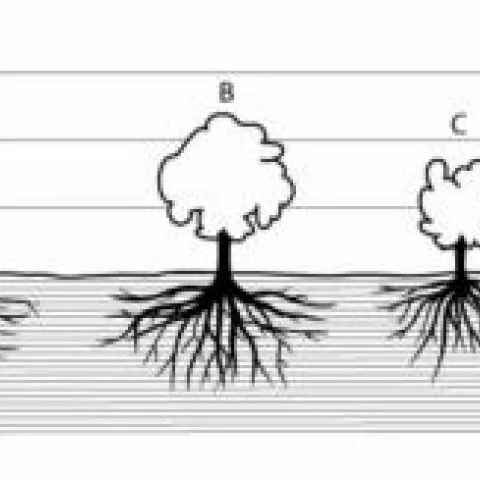
Size control in temperate fruit trees. (A) Standard variety with no size control; (B) and (C) standard variety on semidwarfing rootstock or semidwarf variety; (D) standard variety on dwarfing rootstock. (from The CA Master Gardener Handbook)

Prune Home Fruit Trees To Improve Crop Size And Quality

January 18, 2021
By Anne E Schellman
Fruit tree pruning ranks high on most home gardeners' to do list during the winter months. While deciduous fruit trees may be pruned at other times of the year, most gardeners do their annual heavy pruning during the trees' dormant period.
View Article
Primary Image
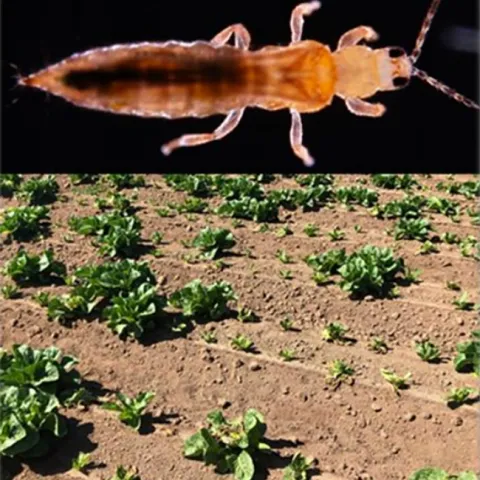
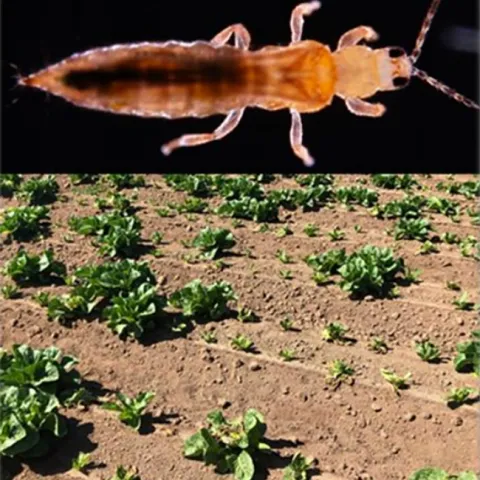
Thrips is a major pest of lettuce production in Salinas. (Illustration courtesy of Daniel Hasegawa)
Bug Squad: Article

Research Entomologist Daniel Hasegawa Targets Thrips

January 18, 2021
By Kathy Keatley Garvey
They're small, about 1 mm long or less, with characteristic fringed wings. They fly, but not well. But thrips do pack a powerful punch. A major pest of many agricultural crops, including lettuce, they damage plants by (1) sucking their juices and (2) transmitting viruses.
View Article
Primary Image
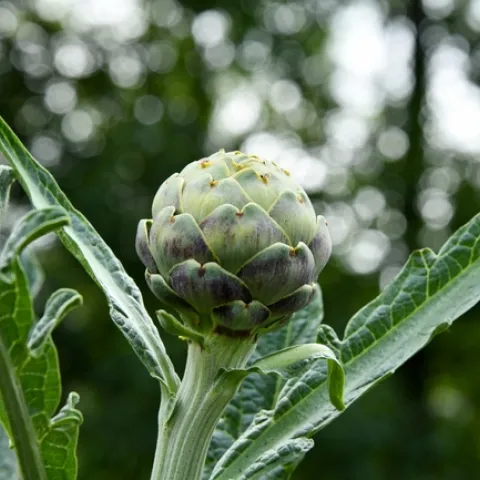
Artichoke. (shelley-pauls-unsplash)
Napa Master Gardener Column: Article

Perennial Vegetables and Herbs.

January 18, 2021
By Susanne von Rosenberg, UC Master Gardener of Napa County One of the reasons I really enjoy having fruit trees is that they are perennials: they give back a lot for relatively little effort. You can get the same benefits from perennial vegetables.
View Article
Primary Image
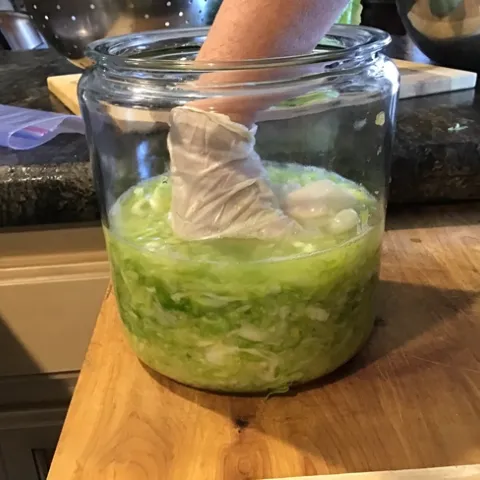
Packing crock with salted cabbage
Master Food Preserver SLO/SB Counties: Article

It's Sauerkraut Time!

January 18, 2021
Have you thought about making sauerkraut? Do you already make sauerkraut? Or, have you made sauerkraut, and something went terribly wrong and you don't want to make it again? These are questions many of us have asked and continue to ask ourselves.
View Article
Primary Image
plants cartoon Carrie
Spill the Beans: Article

Do You Grow Houseplants?

January 18, 2021
by Carrie Strohl An Invitation to Propagate and Donate Expertise or Plants A few months ago, I read about the rise of houseplant popularity in the American Gardener, a publication of the American Horticultural Society (AHS).
View Article