A Natural Solution for California's Herds: African Catfish Peptides

California's cattle producers and agricultural communities are all too familiar with the rising challenge of antibiotic resistance, making common bacterial infections harder to treat in livestock. But imagine a future where we could tackle these infections with a natural, powerful alternative. Our research points to just that: antimicrobial peptides (AMPs) found in African catfish.

We're really excited about these peptides because African catfish thrive in pathogen-rich freshwater, naturally producing these robust immune compounds in their skin mucus as a defense. This natural origin makes them highly appealing alternatives to synthetic drugs.

Predicted Safety and Potent Action

One of the most compelling aspects of these AMPs is their predicted safety for mammals. Our initial computer analyses suggest that various catfish AMPs are generally recognized as safe (GRAS). We predict they'll be absorbed in the human intestine without causing liver, brain, or heart toxicity. Furthermore, lab tests on a promising peptide, NACAP-II, confirmed it was non-hemolytic, meaning it didn't damage rabbit red blood cells—a strong indicator of its potential safety for mammalian cells.

Beyond safety, these peptides demonstrate effectiveness against problematic bacteria. One study revealed NACAP-II's strong activity against Extended-Spectrum Beta-Lactamase (ESBL)-producing Escherichia coli—a critical concern for both animal and human health due to its resistance to many common antibiotics. Another peptide, ACAP-IV, also showed antibacterial activity against E. coli and Staphylococcus aureus. We believe these AMPs work by directly disrupting bacterial cell membranes, a mechanism that makes it harder for bacteria to develop resistance compared to how they resist traditional antibiotics.

Under the Solano Sun: Article

Fall: A Second Season to Plant

November 19, 2020
One traditionally greets springtime with great joy as the season of renewal and a time to look forward to planting a summer garden. But, as we sadly pick our last succulent tomatoes, let's remember that fall can be just as promising a time to plant and enjoy a very different vegetable garden.
View Article
Primary Image
Invasive pampasgrass (Credit: J DiTomaso)
Pests in the Urban Landscape: Article

What makes a weed an invasive plant?

November 18, 2020
By Belinda Messenger-Sikes, Karey Windbiel-Rojas
Weeds are usually thought of as native plants we don't want in areas such as landscapes, fields, or vegetable gardens either because they reduce economic output or they are considered aesthetically displeasing.
View Article
Primary Image
UC Davis doctoral student Jill Oberski captured this screen shot at the finals. She is top row, second from left.
Bug Squad: Article

UC Davis Doctoral Students in Entomology Got It Right

November 18, 2020
By Kathy Keatley Garvey
They knew the answer. "A worker honey bee has how many pairs of wax glands on its abdomen?" That would be four, answered the UC Davis Entomology Team did at the Entomological Society of America's Virtual Entomology Games, a college-bowl type of competition formerly known as the Linnaean Games.
View Article
Primary Image
polymer2
From Soil to Science: Article

Sustainable Polymers: Taking Action to Solve the Challenge of Plastics

November 18, 2020
By Steven Worker
New Extension Peer Reviewed Curriculum Through an innovative collaboration with the University of Minnesota Center for Sustainable Polymers, Minnesota, California, and New York 4-H Cooperative Extension educators partnered to develop and pilot youth-driven curricula Focusing on the use and impacts o...
View Article
Primary Image
A screen shot of the finals at the Virtual Entomology Games. (Image by Jill Oberski)
Entomology & Nematology News: Article

UC Davis Entomology Team Makes the ESA Finals

November 18, 2020
By Kathy Keatley Garvey
The first sighting of emerald ash borer in North America occurred in 2002, when it was discovered attacking ash trees in Ontario, Canada and what U.S. state? If you answered Michigan, as the UC Davis Entomology Team did, you're right.
View Article
UCCE Siskiyou: Article

Intermountain UCCE Research Updates

November 18, 2020
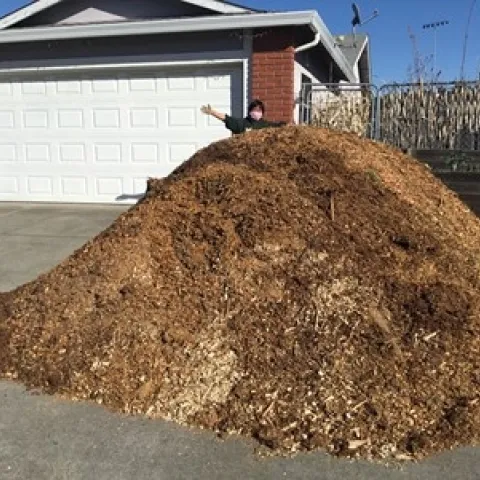
Newsletter #1 Topics Blue Alfalfa Aphid The Continued Saga of Injury RR Alfalfa Following Applications Recent Weed Control Trials in Alfalfa Is Irrigation Alfalfa After Last Cutting a Good Idea Tips for Maximizing Grain Yields Livestock Mortality Composting...
View Article
Primary Image
Jeff Mitchell and West Side REC partner with a local grower to donate butternut squash to the Central California Food Bank (from Morning Ag Clips)
ANR Adventures: Article

Partnerships

November 18, 2020
By Wendy Powers
This has been a relatively slow week for me. However, Thursday and Friday are packed with meetings so I suspect the week as a whole will end up about average'. Last week featured discussions about the ANR strategic plan and the REC strategic framework with partners.
View Article