A Natural Solution for California's Herds: African Catfish Peptides

California's cattle producers and agricultural communities are all too familiar with the rising challenge of antibiotic resistance, making common bacterial infections harder to treat in livestock. But imagine a future where we could tackle these infections with a natural, powerful alternative. Our research points to just that: antimicrobial peptides (AMPs) found in African catfish.

We're really excited about these peptides because African catfish thrive in pathogen-rich freshwater, naturally producing these robust immune compounds in their skin mucus as a defense. This natural origin makes them highly appealing alternatives to synthetic drugs.

Predicted Safety and Potent Action

One of the most compelling aspects of these AMPs is their predicted safety for mammals. Our initial computer analyses suggest that various catfish AMPs are generally recognized as safe (GRAS). We predict they'll be absorbed in the human intestine without causing liver, brain, or heart toxicity. Furthermore, lab tests on a promising peptide, NACAP-II, confirmed it was non-hemolytic, meaning it didn't damage rabbit red blood cells—a strong indicator of its potential safety for mammalian cells.

Beyond safety, these peptides demonstrate effectiveness against problematic bacteria. One study revealed NACAP-II's strong activity against Extended-Spectrum Beta-Lactamase (ESBL)-producing Escherichia coli—a critical concern for both animal and human health due to its resistance to many common antibiotics. Another peptide, ACAP-IV, also showed antibacterial activity against E. coli and Staphylococcus aureus. We believe these AMPs work by directly disrupting bacterial cell membranes, a mechanism that makes it harder for bacteria to develop resistance compared to how they resist traditional antibiotics.
Primary Image
Burton Hoyle
ANR Employee News: Article

In memoriam: Burt Hoyle

November 20, 2020
By Pamela S Kan-Rice
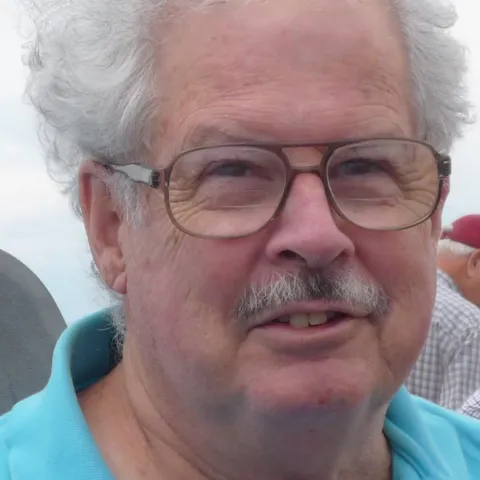
Burton John Hoyle passed away in McKinleyville on Nov. 9, 2020, just weeks from reaching his 101st birthday. Burton (Burt) was born in Saranac Lake, NY, in 1919. He grew up in the Jamestown, New York, area.
View Article
UCCE Lassen County: Article

November 2020

November 20, 2020
Is Irrigating Alfalfa After Last Cutting a Good Idea? What To Do When an Animal Dies?
View Article
UC Weed Science (weed control, management, ecology, and minutia): Article

Survey: interest in novel weed control technology for orchards and vineyards

November 20, 2020
By Brad Hanson
Sharing a survey seeking input on tree and vine cropping system weed control practices and interest in novel technologies as we develop research ideas and priorities with colleagues (and former UC weeders!) around the country. -Brad Survey link: https://cornell.ca1.qualtrics.
View Article
The Backyard Gardener: Article

Planting Garlic

November 20, 2020
By Dustin W Blakey
Our local Master Gardeners have produced a video explaining how to plant hardneck garlic here in the Owens Valley.
View Article
Primary Image
This is the mural newly installed in the hallway of the the UC Davis Environmental Horticulture Building. The tiles are the work of top (from left) Heewon Shin, Diane Ullman, and Mai Xiong; center (from left) Jason Hu, Emma Stone, and Analiese Ignacio, and bottom (from left) Anushka Vispute, Gale Okumura, and Leslie Briceno-Marquez.
Entomology & Nematology News: Article

UC Davis Mural: 'When Words Are Not Enough'

November 20, 2020
By Kathy Keatley Garvey
It's titled When Words Are Not Enough. A newly installed UC Davis mural created by students enrolled in a remote-instructed class on symbolism and design is more than enoughit's considered gorgeous, awesome and amazing.
View Article
Primary Image
Save the Date 2020
Pests in the Urban Landscape: Article

Save the Date: Giving Tuesday is December 1

November 20, 2020
Our mission to help Californians continues despite the COVID-19 pandemic. With your help, we provide practical, trusted pest management answers to people like you across our state. Support the work of the UC IPM Urban and Community Program with your gift.
View Article