A Natural Solution for California's Herds: African Catfish Peptides

California's cattle producers and agricultural communities are all too familiar with the rising challenge of antibiotic resistance, making common bacterial infections harder to treat in livestock. But imagine a future where we could tackle these infections with a natural, powerful alternative. Our research points to just that: antimicrobial peptides (AMPs) found in African catfish.

We're really excited about these peptides because African catfish thrive in pathogen-rich freshwater, naturally producing these robust immune compounds in their skin mucus as a defense. This natural origin makes them highly appealing alternatives to synthetic drugs.

Predicted Safety and Potent Action

One of the most compelling aspects of these AMPs is their predicted safety for mammals. Our initial computer analyses suggest that various catfish AMPs are generally recognized as safe (GRAS). We predict they'll be absorbed in the human intestine without causing liver, brain, or heart toxicity. Furthermore, lab tests on a promising peptide, NACAP-II, confirmed it was non-hemolytic, meaning it didn't damage rabbit red blood cells—a strong indicator of its potential safety for mammalian cells.

Beyond safety, these peptides demonstrate effectiveness against problematic bacteria. One study revealed NACAP-II's strong activity against Extended-Spectrum Beta-Lactamase (ESBL)-producing Escherichia coli—a critical concern for both animal and human health due to its resistance to many common antibiotics. Another peptide, ACAP-IV, also showed antibacterial activity against E. coli and Staphylococcus aureus. We believe these AMPs work by directly disrupting bacterial cell membranes, a mechanism that makes it harder for bacteria to develop resistance compared to how they resist traditional antibiotics.

Glenn County: Article

Public Invited to 4-H Fundraiser Dinner

February 12, 2020
Please join us at the Annual Glenn County 4-H Fundraising Dinner. This event will be held Saturday, March 7, 2020, from 3:30 to 7:30 p.m., at the Willows Memorial Hall, 525 W Sycamore Street, Willows, CA 95988. This years dinner will include pork loin, rice, salad, roll, and a drink.
View Article
Primary Image
Gardener's tool belt by Gardener's Supply Company
Under the Solano Sun: Article

Gardening Tool Belts and Waist Level Gardening Aprons

February 12, 2020
A while ago I was at a Master Gardener community gardening event, helping with some weed pulling, plant clipping, and handing out tasty harvested broccoli florets to some excited grade school students.
View Article
Primary Image
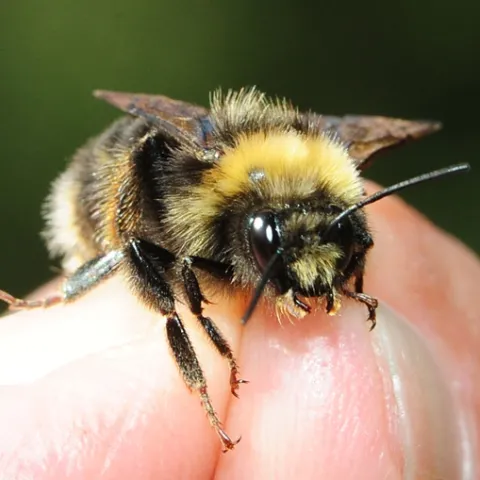
The Western bumble bee, Bombus occidentalis, is rapidly declining and is a candidate for the Endangered Species List. (Photo by Kathy Keatley Garvey)
Entomology & Nematology News: Article

UC Davis Symposium on Insect Decline: 'Saving a Bug's Life'

February 12, 2020
By Kathy Keatley Garvey
Four UC Davis entomologists will be among the speakers when the UC Davis Environmental Law Society (ELS) sponsors a public symposium on "Saving a Bug's Life: Legal Solutions to Combat Insect Biodiversity Decline and the Sixth Mass Extinction" on Friday, March 6 in the School of Law.
View Article
Crop Biostimulants: Article

Results from processing tomato trials are now available

February 12, 2020
By Zheng Wang
The biostimulant trials were conducted during the summer of 2019 with the collaborations of two companies. Study results have been reported to the California tomato growers and industry. Please check the attached file for the access to the results.
View Article
Primary Image
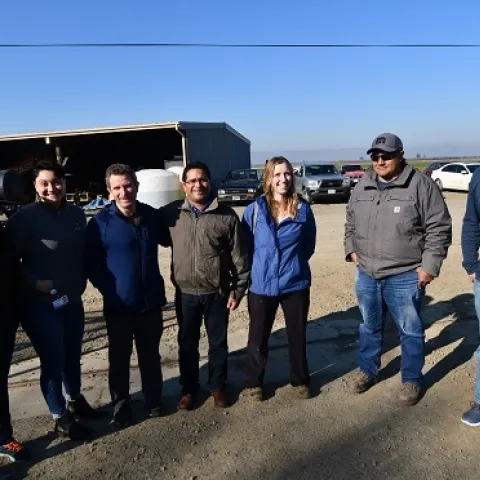
Tu's dairy moment. Photo courtesy of Glenda Humiston.
ANR Adventures: Article

Another fun year at the World Ag Expo

February 12, 2020
By Wendy Powers
This week was another fun time at World Ag Expo. The only disappointment was the drive down to Tulare. It looks dry, and the nut orchards were not in bloom this year as they were back in 2017. Elizabeth pointed out that the WAE is often the week before the bloom.
View Article
Primary Image
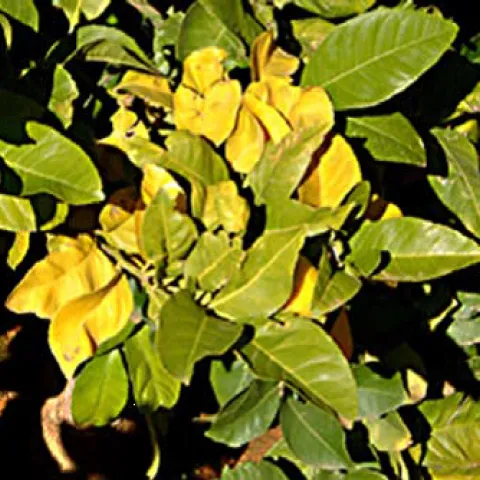
citrus winter yellows
Topics in Subtropics: Article

Winter Yellows

February 12, 2020
By Ben A Faber
Several calls have come in from growers lately about yellow avocado and citrus trees. the yellowing is most common on the late summer flush leaves or can affect the whole canopy on young trees. In severe cases leaves fall.
View Article
Primary Image
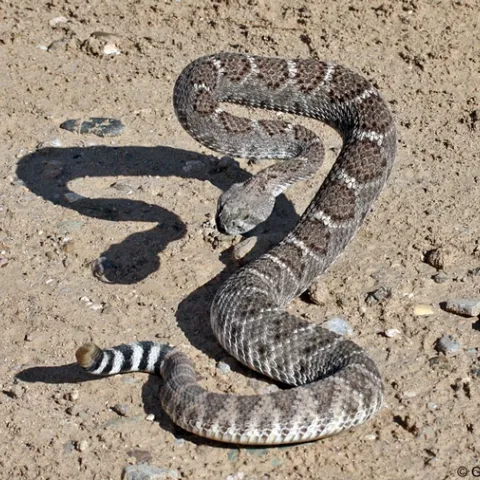
Western Diamondback
Topics in Subtropics: Article

Rattlesnakes in California Orchards: Growers Beware

February 12, 2020
By Roger A Baldwin
First, remember that the desire to avoid any kind of an interaction is mutual. Rattlesnakes are an important part of the ecosystem, feeding on rodents, birds, and other small animals.
View Article