A Natural Solution for California's Herds: African Catfish Peptides

California's cattle producers and agricultural communities are all too familiar with the rising challenge of antibiotic resistance, making common bacterial infections harder to treat in livestock. But imagine a future where we could tackle these infections with a natural, powerful alternative. Our research points to just that: antimicrobial peptides (AMPs) found in African catfish.

We're really excited about these peptides because African catfish thrive in pathogen-rich freshwater, naturally producing these robust immune compounds in their skin mucus as a defense. This natural origin makes them highly appealing alternatives to synthetic drugs.

Predicted Safety and Potent Action

One of the most compelling aspects of these AMPs is their predicted safety for mammals. Our initial computer analyses suggest that various catfish AMPs are generally recognized as safe (GRAS). We predict they'll be absorbed in the human intestine without causing liver, brain, or heart toxicity. Furthermore, lab tests on a promising peptide, NACAP-II, confirmed it was non-hemolytic, meaning it didn't damage rabbit red blood cells—a strong indicator of its potential safety for mammalian cells.

Beyond safety, these peptides demonstrate effectiveness against problematic bacteria. One study revealed NACAP-II's strong activity against Extended-Spectrum Beta-Lactamase (ESBL)-producing Escherichia coli—a critical concern for both animal and human health due to its resistance to many common antibiotics. Another peptide, ACAP-IV, also showed antibacterial activity against E. coli and Staphylococcus aureus. We believe these AMPs work by directly disrupting bacterial cell membranes, a mechanism that makes it harder for bacteria to develop resistance compared to how they resist traditional antibiotics.


Primary Image
IMG 6916
Livestock & Range: Article

Benefits of Livestock for Fire Fuels Reduction and Fire Safety

February 11, 2020
By Devii R Rao
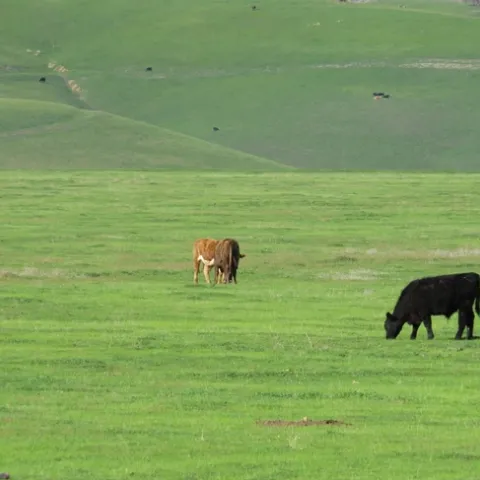
Thanks to generous support from the newly formed California Cattle Council, UC Cooperative Extension will begin conducting a study to estimate how much fuel livestock consume across California and whether grazing decreases wildfire speed and intensity.
View Article
Primary Image
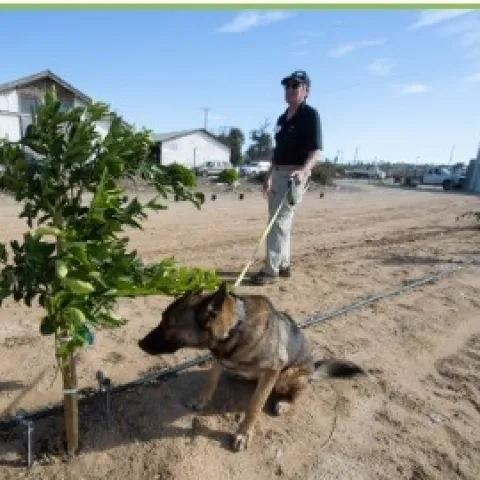
Dogs are trained to sniff out diseases in a citrus orchard. Photo courtesy of the Citrus Research Board E-newsletter.
ANR Adventures: Article

The dogs have it

February 11, 2020
By Wendy Powers
If you've taken a Southwest flight in February, perhaps you read the article about Sierra, a dog that helped, repeatedly, detect cancer in her person.
View Article
UC Cooperative Extension Imperial County: Article

February 2020

February 11, 2020
VEGETABLE DISEASE UPDATE: WINTER STARTS WET THEN TURNS DRY HEALTHY SOILS PROGRAM GRANT OPPORTUNITY WORKSHOPS FLYER IMPERIAL VALLEY CIMIS REPORT AND UC WATER MANAGEMENT RESOURCES...
View Article
Primary Image
photo by Jean Strauss
Under the Solano Sun: Article

40 Years of Memories

February 11, 2020
When you move from your home after 40 years, you leave behind solid memories like the heights of children's growth penciled in doorways. Even the sun that shined on my face in bed every morning imploring me up has moved to a new location, the library. I witness fewer sunrises.
View Article
Primary Image
Brad Hanson (Cooperative Extension Weed Specialist) during the Diagnosing Herbicide Symptoms 2018 course
UC Weed Science (weed control, management, ecology, and minutia): Article

ANNOUNCEMENT :: UC Weed Science 2020 events

February 11, 2020
By Gale Perez
Mark your calendar... Diagnosing Herbicide Symptoms 2020 course July 14-15, 2020 UC Davis Weed Day 2020 July 16, 2020 UC Davis Aquatic Weed School 2020 Sept. 2-3, 2020 UC Davis More information on these events to come.
View Article
Primary Image
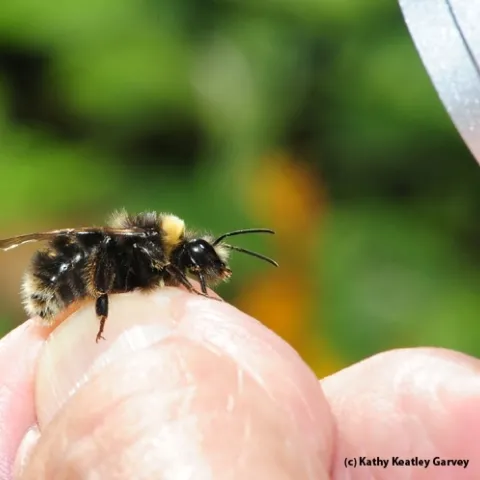
This is the Western bumble bee, Bombus occidentalis, one of four bumble bees on California's proposed endangered species list. (Photo by Kathy Keatley Garvey)
Bug Squad: Article

The Buzz: Protecting Our Bumble Bees

February 10, 2020
By Kathy Keatley Garvey
Bumble bees--how many have you seen so far this year on the UC Davis campus? If you join the thousands of visitors at the ninth annual UC Davis Biodiversity Museum Day on Saturday, Feb.
View Article