A Natural Solution for California's Herds: African Catfish Peptides

California's cattle producers and agricultural communities are all too familiar with the rising challenge of antibiotic resistance, making common bacterial infections harder to treat in livestock. But imagine a future where we could tackle these infections with a natural, powerful alternative. Our research points to just that: antimicrobial peptides (AMPs) found in African catfish.

We're really excited about these peptides because African catfish thrive in pathogen-rich freshwater, naturally producing these robust immune compounds in their skin mucus as a defense. This natural origin makes them highly appealing alternatives to synthetic drugs.

Predicted Safety and Potent Action

One of the most compelling aspects of these AMPs is their predicted safety for mammals. Our initial computer analyses suggest that various catfish AMPs are generally recognized as safe (GRAS). We predict they'll be absorbed in the human intestine without causing liver, brain, or heart toxicity. Furthermore, lab tests on a promising peptide, NACAP-II, confirmed it was non-hemolytic, meaning it didn't damage rabbit red blood cells—a strong indicator of its potential safety for mammalian cells.

Beyond safety, these peptides demonstrate effectiveness against problematic bacteria. One study revealed NACAP-II's strong activity against Extended-Spectrum Beta-Lactamase (ESBL)-producing Escherichia coli—a critical concern for both animal and human health due to its resistance to many common antibiotics. Another peptide, ACAP-IV, also showed antibacterial activity against E. coli and Staphylococcus aureus. We believe these AMPs work by directly disrupting bacterial cell membranes, a mechanism that makes it harder for bacteria to develop resistance compared to how they resist traditional antibiotics.
Primary Image
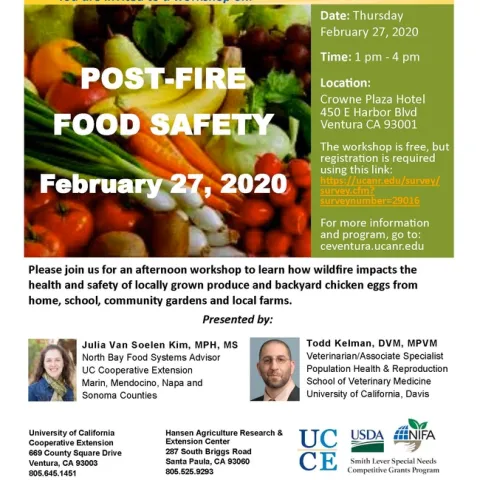
Post Fire poster PDF
Topics in Subtropics: Article

Effect of Fire and Smoke on Garden Veg and Eggs

January 27, 2020
By Ben A Faber
What are the effects of fire and smoke and ash and heat and all the other potential things that might affect plants and animal products that we eat?????? Can you simply wash off contaminants? What impact on the soil, itself? Does anything special need to be done to start producing food again?
View Article
Under the Solano Sun: Article

The Armstrong Redwoods State Natural Reserve

January 27, 2020
Living in California has so many benefits but by far one of my favorites is the easy access we have to the redwood forests. One of my favorite places to take my kids and friends from out of town is the Armstrong Redwoods State Natural Reserve in Guerneville.
View Article
Primary Image
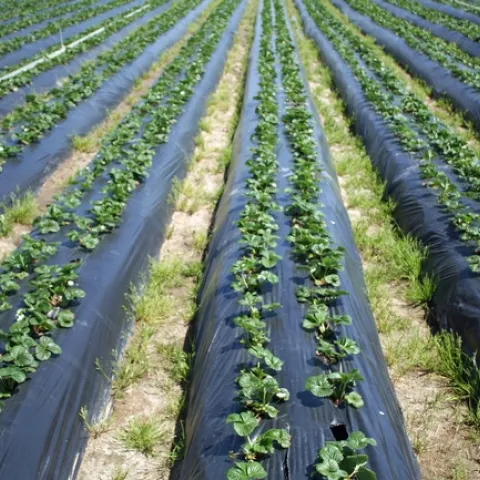
The California Organic Institute will accelerate the development and adoption of effective tools and practices for organic farmers and those transitioning to organic farming. Organic strawberries photo by Mark Bolda.
ANR Employee News: Article

Clif Bar invests in UC’s first organic research institute

January 27, 2020
By Pamela S Kan-Rice
The University of California system's first-ever institute for organic research and education will be established in UC ANR with a $500,000 endowment gift from Clif Bar & Company and $500,000 in matching funds from UC President Janet Napolitano.
View Article
Primary Image
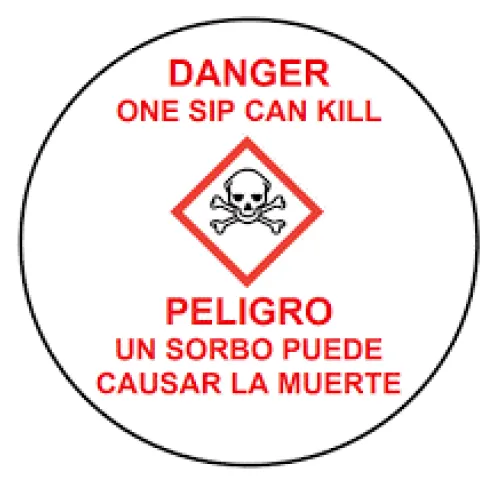
'One sip can kill" warning
UC Weed Science (weed control, management, ecology, and minutia): Article

New EPA Paraquat Restrictions

January 27, 2020
By Gale Perez
As the 2020 growing season approaches, California growers, PCAs and handlers will have new regulations to take into consideration. The United States Environmental Protection Agency (EPA) recently announced new requirements for handling paraquat (paraquat dichloride).
View Article
Primary Image
Anita Martinez
ANR Employee News: Article

Names in the News

January 27, 2020
By Pamela S Kan-Rice
Martinez joins 4-H in Imperial County Anita Martinez has joined UCCE as a new 4-H program representative overseeing the 4-H Youth Development Program in Imperial County.
View Article
ANR Adventures: Article

Sharing our impact message

January 27, 2020
By Wendy Powers
Take a look at what IGIS has done! Note there are two parts to the blog, so be sure to catch all of their activity. I love how they have detailed out their partnerships drawing attention not just to the breadth of support that IGIS provides across UC ANR, but also the work of their collaborators.
View Article
Glenn County: Article

Walnut- January 2020

January 27, 2020
In this issue: 2020 Sacramento Valley Winter Walnut Extension Meetings Winter Pest & Weed Management Considerations Preparing for Extreme Events: Flood & Drought Young Orchard Weed Management New EPA Paraquat Restrictions Pre-season Airblast Sprayer Calibration Navigating Irrigation Technology Overl...
View Article
Primary Image
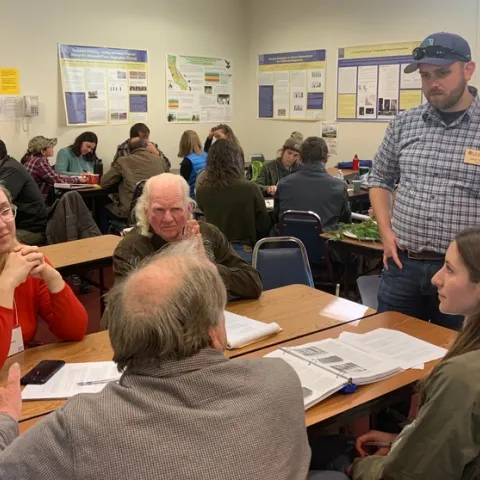
IMG E1794
Blog - Forest Research and Outreach : Article

Fostering Forest Stewardship

January 27, 2020
By Kimberly C Ingram
Private forestland landowners have a unique opportunity to enjoy the economic, ecological and social benefits forests offer. The public also benefits from private forests as they play a critical role in the connectivity and functioning of the larger forest ecosystem.
View Article
Primary Image
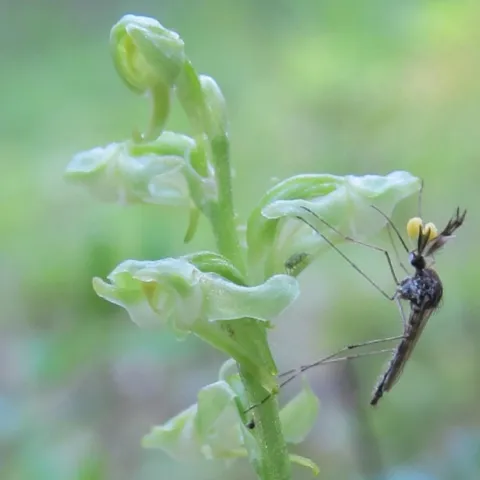
mosquitoes and flower
Topics in Subtropics: Article

Mosquitoes as Pollinators?

January 27, 2020
By Ben A Faber
There is a purpose Without their keen sense of smell, mosquitoes wouldn't get very far. They rely on this sense to find a host to bite and spots to lay eggs. And without that sense of smell, mosquitoes could not locate their dominant source of food: nectar from flowers.
View Article