A Natural Solution for California's Herds: African Catfish Peptides

California's cattle producers and agricultural communities are all too familiar with the rising challenge of antibiotic resistance, making common bacterial infections harder to treat in livestock. But imagine a future where we could tackle these infections with a natural, powerful alternative. Our research points to just that: antimicrobial peptides (AMPs) found in African catfish.

We're really excited about these peptides because African catfish thrive in pathogen-rich freshwater, naturally producing these robust immune compounds in their skin mucus as a defense. This natural origin makes them highly appealing alternatives to synthetic drugs.

Predicted Safety and Potent Action

One of the most compelling aspects of these AMPs is their predicted safety for mammals. Our initial computer analyses suggest that various catfish AMPs are generally recognized as safe (GRAS). We predict they'll be absorbed in the human intestine without causing liver, brain, or heart toxicity. Furthermore, lab tests on a promising peptide, NACAP-II, confirmed it was non-hemolytic, meaning it didn't damage rabbit red blood cells—a strong indicator of its potential safety for mammalian cells.

Beyond safety, these peptides demonstrate effectiveness against problematic bacteria. One study revealed NACAP-II's strong activity against Extended-Spectrum Beta-Lactamase (ESBL)-producing Escherichia coli—a critical concern for both animal and human health due to its resistance to many common antibiotics. Another peptide, ACAP-IV, also showed antibacterial activity against E. coli and Staphylococcus aureus. We believe these AMPs work by directly disrupting bacterial cell membranes, a mechanism that makes it harder for bacteria to develop resistance compared to how they resist traditional antibiotics.
Primary Image
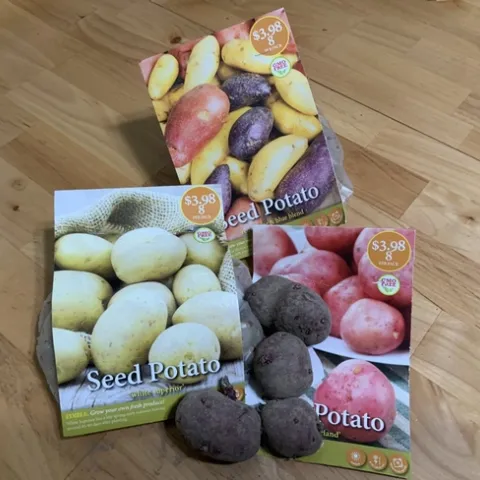
Master Gardener Speakers for our Vermicompost Workshop.
The Stanislaus Sprout: Article

2019 Year-In-Review

December 2, 2019
By Anne E Schellman
Wow! Its been a busy, productive year. The University of California Cooperative Extension (UCCE) Stanislaus County Master Gardener Program started it's first training class in January of 2019. Twenty-three Master Gardeners graduated in June and have been volunteering in the community ever since.
View Article
Santa Cruz County: Article

4-H Updates

December 2, 2019
Happy Holidays 4-H Families, We have two exciting event events this week. Anyone looking for a last-minute tax donation, well we have the answer for you! Giving Tuesday is December 3rd Match for 4-H Donate on Giving Tuesday.
View Article
San Benito County: Article

4-H Updates

December 2, 2019
Happy Holidays 4-H Families, We have two exciting event events this week. Anyone looking for a last-minute tax donation, well we have the answer for you! Giving Tuesday is December 3rd Match for 4-H Donate on Giving Tuesday.
View Article
Primary Image
You are here So are we
ANR News Releases: Article

Invest in every Californian with a gift to UC ANR

December 2, 2019
By Pamela S Kan-Rice
UC Agriculture and Natural Resources is participating in Giving Tuesday, launching the You are here. So are we campaign. Donations bring the power of UC research in agriculture, natural resources, nutrition, and youth development to local communities to improve the lives of all Californians.
View Article
Fresno County Viticulture: Article

December 2019 Vit Tips

December 2, 2019
The 2019 winter issue of Vit Tips covers: 1) Grapevine disease management. e.g., Powdery Mildew and Botrytis on wet year, like 2019; 2) Post-harvest vineyard management, e.g., irrigation/nutrient management and pruning strategy ; 3) Recent update of sudden vine collapse.
View Article
Primary Image
Frozen samples were processed and sequenced by researchers at the Energy Department’s Joint Genome Institute (JGI). (Photo: Peggy Lemaux)
Green Blog: Article

Genomic gymnastics help sorghum plant survive drought

December 2, 2019
By Jeannette Warnert
Scorching temperatures and parched earth are no match for the sorghum plant this cereal crop, native to Africa, will remain green and productive, even under conditions that would render other plants brown, brittle and barren.
View Article
Primary Image
UC alumni regent-designate Debby Stegura met UCCE staff and stakeholders in Sonoma County to learn more about UC ANR serves Californians away from campuses..
ANR Employee News: Article

Regent Stegura 'blown away' by UCCE Sonoma work

December 2, 2019
By Pamela S Kan-Rice
Vice President Glenda Humiston introduced alumni regent-designate Debby Stegura to UC Cooperative Extension staff and their community partners and clientele in Sonoma County on Nov. 15.
View Article
Primary Image
Value of working landscape pie chart
ANR Employee News: Article

New report reveals California’s working landscape is a major economic driver

December 2, 2019
By Pamela S Kan-Rice
California's working landscape and the industries associated with agriculture and natural resources are the sixth largest sector of the state's economy, according to a new study by the California Community Colleges Centers of Excellence for Labor Market Research, California Economic Summit and UC AN...
View Article