UC Master Gardener Program of Contra Costa County

Spring 2026 NtGB

"There ain't Nothing Better in Life than True Love and a Homegrown Tomato"
— Old saying

Spring has arrived! And with it, comes the moment we’ve all been waiting for… the Great Tomato Plant Sale! But that’s not the only reason to celebrate; we’re also thrilled to welcome you to the brand-new Gehringer Demonstration Garden in Concord, a fresh space designed to inspire, teach, and grow alongside our community.

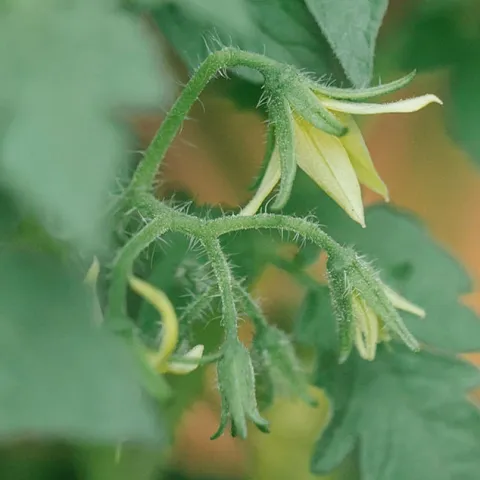
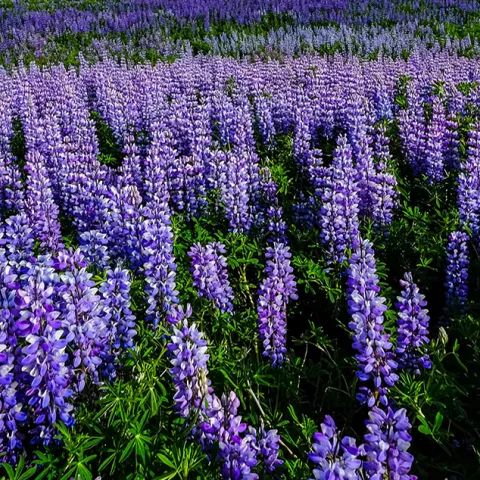
This issue is bursting with ideas to get you excited about the season ahead. You’ll discover expert tips for growing abundant, flavorful vegetables, explore the beauty and benefits of California native lupines, and uncover the fascinating ways plants adapt and thrive—even when water is in short supply.

We’re also here to help you garden smarter and safer, with practical guidance on managing pests and plant diseases, plus important tips to protect yourself from mosquito-borne illnesses.

And if you’ve ever been curious about composting, now is the perfect time to jump in. 

So, pour yourself your favorite drink, step outside, and settle in, you won’t want to miss a single article. Your most vibrant, successful garden season starts right here!

Hedwig Van Den Broeck and Robin Mitchell, editors.
Here is your link to subscribe to this newsletter.

Primary Image
2026 GTPS Banner
UC Master Gardener Program of Contra Costa County: Page

2026 Great Tomato Plant Sale

The Great Tomato Plant Sale is our huge event where we sell thousands of spring veggie seedlings to our community. Get all the information on this page.
View Page

Gehringer Demonstration Garden in Concord

Primary Image
Gehringer Demonstration Garden, courtesy CoCoMG
Body

A new public demonstration garden is about to open! 

New Gehringer Demonstration Garden in Concord, courtesy UC Master Gardener volunteers
CA native plants and information kiosk at the Gehringer demonstration garden, courtesy UC Master Gardeners of Contra Costa County

Located in the public walking space outside the Gehringer Community Garden fencing, at 1790 Lynwood Dr. in Concord, it will provide a real-life demonstration of the versatility and adaptability of California native plants. Join the community for the Launch Event on Saturday, April 4th from 1 to 3 PM, hosted by the Contra Costa UC Master Gardeners.

Interest in California native plants has grown rapidly during the past ten years. Native plants typically have low water and maintenance requirements, attract and support local wildlife such as pollinators and birds, and provide an attractive landscaping option for home gardens, public spaces, and commercial properties.

The Concord Chamber of Commerce CEO, Kevin Cabral, will be on hand to ‘cut the ribbon.’  UC Master Gardener volunteer docents will lead walkthroughs of the new garden and answer plant, irrigation, and maintenance questions. Visitors can stop by the “Ask a Master Gardener” booth stuffed with more gardening advice, handouts, and California Native flower seed packets for the public to take home and plant. Refreshments will be available. Come join us!

Prepping the Gehringer parking strip for CA Natives - Courtesy Phil Quinlan

The new garden was designed and installed by UC Master Gardeners volunteers of Contra Costa County in partnership with Gehringer Community Garden. The project began three years ago when UC Master Gardener volunteer Phil Quinlan, approached Gehringer Community Garden management with the idea of converting a weed-choked public walking space in front of the community garden into a lovely space highlighting California natives. 

After digging out unsightly weeds, a drip irrigation system was installed, then three different areas were planted to demonstrate sun-loving native plants, shade-tolerant varieties, and special natives that tolerate harsh growing conditions in a roadside parking strip. A park bench and information kiosk invite the public to pause and relax while learning more about California natives. The demonstration garden will be accessible year-round. 

Congratulations to the development team of Contra Costa UC Master Gardener volunteers, Phil Quinlan, Anna Wendorf, Dorothy Abeyta, Bennet Berke, Jim Breuner, Bruce Dresser, Karen Goodwin, and Robin Harper. They will be happy to greet you on April 4th and show you around.

Image
UC Master Gardener volunteers prepare the new Public Garden- Courtesy UCANR

For more information about the Contra Costa UC Master Gardener Program, Gehringer Community Garden, and California natives, visit these online sites: 
https://ucanr.edu/site/uc-master-gardener-program-contra-costa-county 
https://www.facebook.com/gehringercommunitygarden/ 
https://calscape.org/ 
 
Return to News to Grow By

UC Master Gardener Program of Contra Costa County

Introducing New Dwarf Tomatoes 2026

Primary Image
Dwarf Tomatoes-pexels-ralph
Body

The Dwarf Tomato Lineup Just Got Better

Have you ever wished for the taste and quality of an heirloom tomato, but on a plant you could grow in a small space or container? Last year, we were excited to introduce several varieties from the Dwarf Tomato Project that achieve just that. This year, we are offering three new varieties that performed well for us last summer.

The Origins of the Dwarf Tomato Project

The Dwarf Tomato Project is a collaborative initiative that began in 2006, uniting tomato enthusiasts worldwide to develop compact, easy-to-maintain tomato plants without compromising on flavor or variety. The project's mission is to create delicious tomatoes of all flavors and sizes on dwarf plants, making them ideal for gardeners with limited space.

Dwarf tomato plants are characterized by their sturdy structure, dense crinkly (rugose) foliage, and thick central stems. Depending on the variety, these plants range from 2 to 4.5 feet in height, making them suitable for container gardening, balconies, or small garden plots. Despite their compact size, they produce a diverse array of fruit types, including some large fruits up to around 18 ounces. The flavor profiles are extensive, encompassing sweet, tangy, fruity, and even hints of saltiness, ensuring there's a variety to suit every palate. Fruit colors are equally diverse, featuring green-when-ripe, bi-colors, stripes, purples, pinks, reds, yellows, oranges, and whites.

All varieties developed by the Dwarf Tomato Project are designated as 'Open Source' under the Open Source Seed Initiative (OSSI). This designation ensures that these seeds remain free from patents and other restrictions, allowing gardeners and breeders the freedom to use, share, and further develop these varieties. The OSSI pledge emphasizes the importance of maintaining these freedoms for current and future generations.

By choosing to grow dwarf tomato varieties from the Dwarf Tomato Project, gardeners contribute to a movement that values biodiversity, sustainability, and the joy of cultivating flavorful, heirloom-quality tomatoes in spaces of any size.

What we learned

Last year, we trialed many varieties both in our demonstration garden and in our home gardens, and here is what we learned:

•    When growing in pots, the 15-gallon size works best, 10- gallon is acceptable. 5-gallon is too small for these varieties.
•    Do not overwater. Water consistently but sparingly.  Leaves will turn yellow when plants are overwatered.
•    Give plants plenty of space to allow proper air circulation.
•    Do minimal/no pruning, except for the bottom leaves.
•    Support – These require staking of stem due to weight of numerous tomatoes on a stem. Or use tomato cages.
•    Fertilize at least 3 times: at planting, start of flowering, and mid-summer.
 

Here are the new varieties that will be available at our Walnut Creek and Richmond sales:
 

Image
Mary's Cherry Dwarf Tomato, Tomato Fest Seeds

Mary's Cherry (Dwarf)
Cherry / Purple / 2-4 ounce / 75 Days / Open Pollinated / Indeterminate

Dwarf Mary's Cherry is very productive! Expect lots of purple tomatoes with an excellent, complex sweet/tart flavor. Although most of the fruit on the plants are smaller, cherry-type, expect some variability in shapes and sizes on the same plant. ("Is this a cherry tomato? Mine produced golf-ball-sized cherry tomatoes, reddish with purple shoulders. The fruits decorated a productive, sturdy yet attractive dwarf bush. The flavor was smoky and deep!" Master Gardener)
*Photo Courtesy of tomatofest.com


Image
Beauty King Dwarf Slicer Tomato, Heritage Tomato Seed

Beauty King (Dwarf)  
Slicer / Red- Gold / 6-12 ounces / 75 Days / Open Pollinated / Indeterminate

This vigorous dwarf plant is known for its outstanding, rich, and sweet flavors. Producing round, red fruits with beautiful golden stripes and speckles, it features rugose foliage (textured with wrinkles and puckers).  Expect meaty fruits with small seed pockets. Occasionally produces very large fruits! ("What a beauty! This vibrant bicolor tomato stands out amongst the dark leaves.  I found this beauty to be very tasty and tangy" Master Gardener)
*Photo Courtesy of Heritage Tomato Seed


Image
Wild Fred Dwarf Slicer Tomato

Wild Fred (Dwarf)  
Slicer / Purple / 6-8 ounces / 85 days / Open Pollinated / Indeterminate

If you like Cherokee Purple and want to try a dwarf variety, this comes closest in flavor, color and size to that outstanding variety!  It yields medium sized, somewhat irregular shaped, meaty, purple fruit that have an excellent flavor. Expect rugose foliage (textured with wrinkles and puckers) on this dwarf plant. ("Wild Fred is crazy “wild,” producing delectable tasting reddish/purplish tomatoes ranging from small slicers to extra-large beefsteak size. Flavor wise, this was a favorite: with deep, rich, red tomato flavor." Master Gardener)
*Photo Courtesy of Patrina


Go Back to Here's What's NEW in 2026
Go back to 2026 Great Tomato Plant Sale

Go Back to News to Grow By

UC Master Gardener Program of Contra Costa County

Watertight Plants: A Gripping Story of Survival

Primary Image
California Buckeye, courtesy Dawn Kooyumjian
Body

Plants are astonishing! Even in their highly vulnerable state of immobility, they are capable of developing defenses to outside forces that threaten them. Around 500 million years ago, land plants first appeared and were small and moss-like, lacking true roots and stems. They required moist environments, mostly growing in bogs.

After about 100 million years of lying low, plants developed internal vascular systems of tubular structures that provided them with the ability to grow upright and transport water throughout their above-ground parts. This allowed them to escape the bogs and colonize drier areas.

As we march into spring and close in on the California dry months, we will be looking to fire up our hoses and irrigation systems to water our gardens. Free water delivery, also known as the rainy season, will no longer provide that much-needed water.

This article is a celebration of the resourcefulness and ingenuity of plants with respect to the various methods they’ve developed to hold on to their precious water, without which they would perish.

Before we explore the creative water-holding methods plants have developed, let’s first look at how water enters and exits plants. As shown in the graphic below, water enters the soil by either rainfall or irrigation. Then the plant draws the water upward through its roots and into its stems and leaves.

Transpiration in Plants (graphic)

The process of water leaving the plant is called transpiration. Sometimes transpiration is likened to perspiration in humans. When we sweat, water exits our body through sweat glands, and it cools us while it rests on our skin.

Image
Open and closed stomata in plants (graphic)

For plants, there are microscopic pores called stomata that are found mostly on the outer layer (epidermis) of the underside of leaves. These pores open to allow water to exit. Like perspiration, the water that transpires from the plant helps cool it.

The sun provides the pumping power that drives the cycle of water moving from the soil, upward through the plant’s tissues, and out through the leaves. The plant releases water vapor and oxygen molecules, while at the same time allowing carbon dioxide to enter the leaves as the water is exiting.

Here's the gripping part of the story.
Plants require water year-round. And in California, which has wet winters and dry summers, it’s common for plants to live in dry soil for seven months out of the year. It is well known that California has a mediterranean climate. But it is not so well known that it has the driest Mediterranean climate in the world. Since they can’t get up and move to a site with more water, California native plants, like plants from other mediterranean climates, have developed strategies to hold on to their water as tenaciously and as long as possible.

Dawn Kooyumjian, Volunteer Coordinator for the UC Master Gardener Program of Contra Costa County, teaches about how plants retain their water to make them less susceptible to drought. There’s a link at the end of this article to a webinar talk she gave in 2020 on this very subject. Dawn talks about two main strategies plants employ to hold on to water. One strategy is drought-resisting, and the other is drought-evading.

The following plant characteristics are very often present in plants that resist drought:

  • Tough, leathery leaves that resist dehydration
  • Waxy coating on leaves
  • Often evergreen
  • Stomata regulate the frequency and duration of opening, staying more closed to keep water from escaping
Image
Coast Live Oak with leathery leaves - photo credit: Dawn Kooyumjian

The plants that resist drought usually do so using methods whereby they prevent water loss by manipulating their leaves in some way. Most plants are made up of about 80-95% water by weight. Herbaceous, succulent, and soft-tissue plants often contain 90-95% water. Leaves are the site where transpiration happens. So, it makes sense that the methods of resisting water loss are usually associated with the leaves of the plants.

The following are more examples of strategies plants have developed to reduce the release of water from their leaves.

  • Fuzzy, hairy, or velvety leaves
  • Bluish or gray-colored leaves
  • Fewer stomata on the leaves
  • Covered with greyish, bluish, or whitish waxy coating
  • Covered with a chalky (farinose) powder
  • Tiny leaves
  • Larger leaves in the spring; new leaves in the summer are smaller (known as seasonal dimorphism)
  • Water storage in stems instead of leaves
  • Changing leaf orientation with respect to the position of the sun throughout the day
Image
Vandenburg California Lilac_Ceonothus impressus 'Vandenburg'_Courtesy Dawn Kooyumjian
Vandenburg California Lilac Ceonothus impressus 'Vandenburg', Courtesy Dawn Kooyumjian
Image
Giant Chalk Dudleya Dudleya brittonii Courtesy Dawn Kooyumjian
Giant Chalk Dudleya Dudleya brittonii, Courtesy Dawn Kooyumjian

Some plants use methods to avoid drought. The following are some of these strategies. 

  • Bulbs with underground food and water storage can remain dormant in the ground for years
  • Summer deciduous, i.e., losing their leaves in the summer
  • Annual plants that complete their entire life cycle in a year
Image
California Buckeye, Courtesy Dawn Kooyumjian
The California Buckeye is summer deciduous - photo credit: Dawn Kooyumjian

It seems that plants are consummate survivors. This is fortunate for us and all creatures on this planet, as we could not survive without them. And the native plants that have adapted to our long dry seasons in California are the perfect partners for populating our gardens. They have proven themselves worthy with their tenacity, adaptability, and resiliency. These drought resistors and evaders are excellent role models for water conservation in the landscape. Show us how it’s done, plants!


References: Watch this video: Plant Adaptations to Mediterranean Climates,presented by Dawn Kooyumjian

Return to News to Grow By

UC Master Gardener Program of Contra Costa County

California native lupines are a wonderful addition to a garden

Primary Image
Field of blue Lupines-pexels-francesco-ungaro
Body

California native lupines are a wonderful addition to a garden. They have dramatic bloom stalks and support many insects and other critters.

A remarkable diversity

Lupines are in the pea (or legume) family, Fabaceae, which means that they fix nitrogen in the soil. In California, there are 70 lupine species and 43 varieties that are recognized by botanists, resulting in 113 taxonomic groups. Many of these native lupines are difficult to identify and occur only in particular areas in the state.

Lupines are considered moderately poisonous if large amounts are consumed, so keep that in mind when deciding where to plant them. They pose a threat to foraging livestock or farm animals, and caution should be taken when grown in areas where pets and children play, as the seeds and pods should not be eaten.

When using native lupines in gardens, there are a few lupines that work well and are commonly available at local nurseries in our area. There are both annual and perennial native lupines, which makes the choices more interesting depending on the garden characteristics.

Flower colors in lupines vary from white to various shades of blue and reddish-purple. The leaves are palmately compound, meaning that multiple leaflets radiate from a single common point (resembling the palm of a hand, hence the name). These leaves add another level of interest to the overall plant form.

Lupinus succulentus palmately compound leaves
Arroyo Lupine (Lupinus succulentus) palmately compound leaf. Photo courtesy of Sula Vanderplank CC BY.

The plants listed below were chosen because they are generally available at Bay Area nurseries and do well in a garden settings. We are fortunate in the Bay Area to have several nurseries that carry and often specialize in California native plants.

Perennial Lupines

Perennial lupines generally form small bushes and can be reliable spring and early summer bloomers. Here are some perennial California native lupines that do well in our area and are commonly found at local native plant nurseries.

  • Silver Bush Lupine / Silver Lupine (Lupinus albifrons)
    This evergreen lupine with silver leaves provides year-round interest in the garden. It grows to about 3-5 feet tall and 2-3 feet wide. The large flower spikes range in color from pale blue to deep purple, and the blooms attract pollinators, particularly native bees. It thrives in full sun, in sandy or rocky, well-drained, nutrient-poor soil. It is said to be deer-resistant.
Image
Lupinous Albifrons in bloom
Lupinus albifrons 'Silver Bush Lupine'" by FarOutFlora is licensed under CC BY 2.0.
  • Cobb Mountain Lupine (Lupinus sericatus)
    In the wild, this lupine grows in the forest, woodlands, and chaparral. The flower cluster has several whorls of purple flowers, which bloom in the spring, and can grow up to 2 feet tall. It grows in full sun, has moderate water needs, and requires fast-draining soil. It supports birds, bees, and butterflies.
  • Meadow Lupine (Lupinus polyphyllus) OT
    In the wild, this lupine commonly grows along streams and creeks, preferring moist habitats. So, it will require more water than some other species. It can grow up to 5 feet tall and 3 feet wide. It can be grown in containers and is deer-resistant.
  • Broadleaf Lupine (Lupinus latifolius)
    This lupine can grow up to 7 feet tall and has flowers ranging from blue to purple. It has  low water needs but requires well-drained soil. This lupine will grow in full sun, partial shade, or deep shade.
    This species tends to have subspecies or varieties.

Annual Lupines

Annual lupines can be a fun addition to a garden and can also create eye-catching displays in containers. Below are some annual California native lupines that do well in our area and are commonly found at local native plant nurseries. As with the perennial lupines, the annual lupines support a variety of wildlife, including birds, bees, caterpillars, and butterflies. Generally, all the annual lupines will reseed as long as there isn’t competition from other plants, particularly non-native grasses.

  • Miniature Lupine / Bicolor Lupine (Lupinus bicolor)
    This is a petite wildflower, 3–16 inches tall, with clusters of blue and white spring blooms that can vary to magenta or purple. It thrives in full sun with well-drained soil. It can be sown in a mass with California poppies (as well as other annual wildflowers) for a pleasant color combination. It has moderate water needs and tolerates a variety of soils.
Miniature Lupine Lupinus Bicolor
  • Chick Lupine (Lupinus microcarpus / Lupinus microcarpus var microcarpus ) WS
    This lupine grows from 4 to 31 inches tall and about 1 foot wide. It blooms in the spring, generally producing blooms in shades of pink to purple, though white and yellow forms can also occur. Several local nurseries carry one of the three recognized varieties. They want full sun and moderate water, and can tolerate slow, medium, and fast-draining soil.
Chick Lupine Lupinus microcarpus
Chick Lupine (Lupinus microcarpus var microcarpus) at the UC Botanical Garden, Berkeley, California. Photo courtesy of Stickpen, CC0, via Wikimedia Commons.
  • Sky Lupine (Lupinus nanus) WS
    This lupine grows 4–24 inches tall and about 1 foot wide. The blooms are blue to lavender, and it blooms winter through spring. It needs full sun, moderate water, and tolerates a variety of soils, including both sandy and clay soils.
  • Pink Sky Lupine (Lupinus nanus ‘Pacific Pink)
    This lupine is a seed strain of the Sky Lupine, with unusual soft pink flowers. It grows 6–20 inches tall and wide. It needs well-draining soil in full sun to light shade. It is attractive to a variety of pollinators and is a larval food source for a number of butterfly and moth species. It is considered deer-resistant.
  • Arroyo Lupine / Succulent Lupine (Lupinus succulentus) WS
    This lupine has dark green leaves with spikes of purple to blue flowers, sometimes shades of light purple, pink and white. It blooms from winter to spring, reaching 2–4 feet tall and 3 feet wide. It needs full sun and is water-tolerant, preferring moist clay or heavy soils
Lupinus Succulentus in bloom
Arroyo Lupine (Lupinus succulentus). Photo courtesy of Laura Camp, CC BY-SA 1.0
  • Rodeo Rose Lupine (Lupinus succulentus ‘Rodeo Rose’)
    This variety of Arroyo Lupine has pink flowers with bright green foliage. The flower “banners” turn dark maroon, which contrasts with the pink “wings.” It grows to 2–3 feet tall and wide. It prefers full sun and moist, heavy soils, thriving in irrigated gardens, but also tolerating drier conditions. It is an important butterfly larval host and a food source for native bees. This variety was selected for gardens by Roger Raiche, who led the California Native Plant section of the UC Botanical Garden for 23 years. During his career he discovered several new plant species— four of which were later named in his honor.
  • Collared Annual Lupine (Lupinus truncatus) – WS
    This lupine has magenta or reddish purple flowers with a yellowish or magenta patch on the banner, blooming in winter and spring. It grows 1–2 feet tall and 1 foot wide. It can handle full sun or partial shade, with moderate water. Adaptable to a wide range of soils, it performs well in fast-, medium-, or slow-draining conditions. Its flowers attract bees and butterflies.

Growing Lupines from Seed

Like their relatives, the pea, lupines produce seeds in pods. These seeds can be easily collected and used to propagate more lupine plants, either perennial or annual. The seeds have a hard coat that benefits from treatment to improve germination. One approach is to “scarify” the seeds by lightly rubbing them with sandpaper. Another method is to pour hot water over the seeds in a container and let the seeds soak for up to 8 hours. Non-viable seeds will float to the surface and can be discarded. After soaking, the seed coat will be much softened—an indication that they are ready for planting.

Resources

  • Calscape: This is a web-based database of California native plants, developed by the California Native Plant Society, which enables searching by location, as well as specific plant names. It also indicates which nurseries carry the plants. All the plants listed above were available in at least one Bay Area nursery. There is also a Garden Planner, which can help design a native garden
  • Lupines of California: This field guide to California lupines in the wild has been recently updated and illustrates how many species and varieties of lupine there are in the wild, and how difficult it can be to identify them.
     
    Return to News to Grow By
UC Master Gardener Program of Contra Costa County

Help Prevent Mosquito-Borne Illness In Your Community this Season!

Primary Image
Mosquito, ucanr.edu
Body

Why a Tiny Bite Can Have Big Consequences

Image
Aedes Aeqypti adult Mosquito, courtesy, CDC_UC-IPM
Adult aedes aegypti mosquito, courtesy UC-IPM

A whining hum fills your left ear. A slight sensation on the back of your neck followed by a faint pinch of pain. SMACK! A broken and twisted long-legged insect and a small smear of red blood on your hand. Soon, the itching and swelling will start. You shrug; it’s mosquito season after all, and it’s the price you pay to enjoy this barbecue with friends. Did you realize, however, that you may have just contracted a mosquito-borne illness? Mosquitoes are more than mere nuisances; they transmit disease to hundreds of millions of people every year! For this reason, they are justifiably considered the most dangerous animal on the planet. So, how can we protect ourselves from bites and prevent mosquito-borne illnesses from affecting our communities?

Understanding Mosquito Biology

Image
Mosquito life Cycle, courtesy UC-IPM
Mosquito life cycle, courtesy UC-IPM

Mosquitoes are small flies (Diptera: Culicidae) with slender bodies, long legs, and piercing-sucking mouthparts. Female mosquitoes drink blood from vertebrate animals, including humans, while male mosquitoes drink plant nectar, honeydew, and other sugary liquids. Blood-feeding (“biting”) by female mosquitoes, which is required to develop and nourish their eggs, often leads to swelling, itching, and localized dermatitis, but it can also transmit pathogens such as malaria (a protozoan), dog heartworm (a nematode), and viruses such as dengue, yellow fever, zika, chikungunya, encephalitis, and West Nile. After feeding, females lay eggs in, on, or near standing water. These eggs hatch into “wigglers”, wriggling aquatic larvae that filter the water to feed on bacteria, algae, fungi, and plankton. Once mature, the larvae pupate into nonfeeding “tumblers” that metamorphose into winged adults, emerging from the water to fly away and continue the cycle. Wigglers and tumblers must come to the surface to breathe air, so you’ll often see them moving up or down in the water column. With warming temperatures and standing water resulting from the wet winter, springtime is mosquito season in California.

Diseases Spread by Mosquitoes

The most common mosquito-borne illness in California is West Nile virus disease (WNV); at least 113 people were infected in 2025, and 11 people died from the infection. WNV is vectored by Culex “house mosquitoes”, which breed in wetlands, rice fields, unsealed septic tanks, and abandoned swimming pools. These mosquitoes are common targets of California’s mosquito and vector control districts, which aim to control developing larvae before they can emerge as adults. 

New species and new disease risks

Two invasive species of mosquito, Aedes aegypti and Aedes albopictus, commonly called the “yellow fever mosquito” and the “tiger mosquito”, have now established themselves in many parts of California. In the SF Bay Area, the yellow fever mosquito has recently been detected in San Jose, Livermore, and Antioch. These mosquitoes are different from Culex mosquitoes in that they will utilize very small volumes of water as larval breeding habitats. That means they can easily breed in containers like buckets, cups, saucers, bird baths, plastic toys, old tires, rain capture systems, and clogged gutters. Consequently, Aedes mosquitoes are commonly produced on residential properties (your backyard!) where mosquito and vector control districts have limited abilities to control them. These “container-breeding” mosquitoes frequently feed during the day, especially “biting” legs and lower regions of human bodies. More importantly, they vector serious viral diseases such as dengue, yellow fever, chikungunya, and Zika, sometimes killing more than 100,000 people per year globally. Help manage these invasive species by contacting your local mosquito or vector control district if you’re experiencing “ankle-biter” mosquitoes during the day or if you discover mosquito larvae living in small containers.

Prevention

Eliminating Mosquito Breeding Sites

The most effective strategy for prevention of mosquitoes and the diseases they transmit is to eliminate larval development sites: eliminate standing water by emptying or draining containers, filling flooded areas or containers that cannot be drained, properly maintaining gutters and downspouts, properly screening rain barrels and cisterns, and properly maintaining fountains and water gardens.

Protecting Yourself from Bites

We can also prevent mosquito bites and mosquito-borne illnesses by avoiding places and times of day when mosquitoes are active, wearing long pants and long sleeves, and using insect repellents recommended by the USA Centers for Disease Control and Prevention: active ingredients DEET, picaridin, oil of lemon eucalyptus, and IR3535.  

Biological and Chemical Control Options

Mosquito Fish, Gambusa affinis and 4 mosquito larvae with breathing syphons, courtesy Jack Kelly Clark, UC.IPM
Mosquito fish, courtesy UC-IPM

Some larval (aquatic) habitats that cannot be drained or dried can be populated with mosquitofish, Gambusia affinis, predatory fish known to consume mosquito larvae; these can often be obtained from your local mosquito or vector control district. Aquatic habitats can also be treated with the bioinsecticide Bti, the insect growth regulator methoprene, or the insecticide spinosad. Ensure that all product label requirements and guidelines are met and followed when using these pesticides. Consumer products targeting adult mosquitoes may provide some temporary control (at best), but these insecticides may produce significant negative effects on nontarget animals and the environment.

References and More Information

Learn more about mosquitoes and mosquito management
Learn about Aedes mosquitoes in California.
See current distributions of Aedes mosquitoes in California. [LINK removed]

Dr. Andrew Sutherland is a Cooperative Extension Advisor: Urban Integrated Pest Management (San Francisco Bay Area) and a Board Certified Entomologist.

Return to News to Grow By

UC Master Gardener Program of Contra Costa County

My Plants Have Spots, Specks, and Odd Coloring

Primary Image
Leaf discoloring due to lack of nutrients-ipm.ucanr.edu
Body

Do I Need to Do Something?

A Season of Observation

Foliage Damage due to Iron Deficiency, Courtesy Kelly Clark, UC-IPM.png
Leaf damage due to iron deficiency, Courtesy UC-IPM

As the growing season unfolds, many gardeners begin taking a closer look at their plants, wondering whether everything is thriving as it should. Spring is often the time of year to determine whether a little help might be needed to keep our plants healthy. Knowing what the plant should normally look like makes it easier to recognize when something is amiss. Problems may be caused by fungi, bacteria, or viruses, but they can also be caused by environmental conditions such as too much or too little water, too much or insufficient sunlight or a lack of essential nutrients. 

Soil conditions play an important role

Soil types vary by location, as do nutrient levels, pH (best between 6.5 and 7), and salinity.  Even when nutrients are present in the soil, an imbalance can prevent plants from absorbing them. In addition to nutrients, check for good drainage, which prevents root damage, and check for excess salinity.

Fertilizer: Finding the Right Balance

Fertilizer can help a plant grow strong and healthy when the right type and amount are used. However, too much or not enough of any nutrient can cause a plant to struggle. Deficiencies can cause a plant to have smaller leaf size, leaf chlorosis (yellowing), necrosis (death of plant tissue), and die-back. Too much of a nutrient can cause plant weakness, leaf burn, and increased susceptibility to insect pests and disease. 

Reading Your Plants: What Leaves Can Tell You

  • To determine what a plant needs, examine the leaves:Is the leaf shape typical?
  • Is the leaf color correct?
  • Are the leaves old or new?
  • Are leaves yellow between the veins?
  • Are there any brown spots or other symptoms on the leaves?

Testing your Soil

Foliage Damage due to Nitrogen Deficiencies, courtesy UC-IPM
Leaf damage due to Nitrogen deficiency, courtesy UC-IPM

Spring is a good time to test your soil to determine what nutrient levels are available to your plants.  A simple home soil test can check the pH level and three primary nutrients plants need: nitrogen, phosphorus, and potassium. 

Nitrogen and Iron

Nitrogen and iron are the most common deficiencies causing yellowing of foliage. This can show up in different parts of the plant. If there is a nitrogen deficiency, it will show on older leaves first. There will be a lack of growth, and the leaves might be light green or yellow, but some plants might display red and purple leaves. Too much nitrogen causes lush growth, which attracts pests like aphids.

An iron deficiency may be found in young leaves, which will be light green with narrow green veins. Symptoms will get worse in cool, wet weather.

Other common factors 

Fungi, bacteria, viruses, and insects can also cause problems in plants..  Correctly identifying the cause is important to address the problem effectively. Fungal diseases spread when excessive rain occurs after new growth appears. Some fungi spread through rain or irrigation but cannot spread during dry weather. Some can overwinter in infected leaves, twigs, and branches, and then spread during spring rains, infecting new leaves and branches as they emerge.

Insects and mites can cause leaves to develop stippling—tiny pale or yellow spots that give the leaf a speckled or dusty appearance. This occurs when pests pierce the leaf surface and suck out plant juices.

Spider mites are a common cause of stippling. As their feeding continues, leaves may turn yellow, dry up and fall off. Not all spider mites make webs, and because they are very small, they may be hard to see. Mites typically start feeding on the underside of leaves and move to the upper side. They thrive in hot, dusty conditions. Insecticidal soaps and neem oil can control it, starting with spraying the underside of leaves. Insecticides are usually not very effective against mites. 

Rose leafhopper is another pest that can cause stippling.  Stippling is on the underside of leaves and their damage is larger than mite damage, but without webbing.  Insecticidal soaps are effective for controlling leafhoppers.

Image
Thrip on leave, courtesy UC-IPM
Thrip, Courtesy UC-IPM

Thrips are pests that can distort roses. These tiny insects embed themselves in blossoms, where they feed on developing petals, which can cause brown streaks on the petals or lead to distorted flowers. Roses planted too close together seem to have the most problems with thrips. Insecticidal soaps may be less effective, as thrips hide inside the bud.

Another common problem is powdery mildew. This is a gray or white substance on top of leaves, which can weaken the plant. Downy mildew is similar, but found on the bottom of leaves and stems. Powdery mildew typically occurs when leaves become wet then exposed to warm weather.

References:

UC IPM/ Home, garden, turf, and landscape pests
UC IPM Pest Notes Library 
UC IPM's Plant Problem Diagnostic Tool
Seasonal Landscape IPM Checklist
 
Return to News to Grow By

UC Master Gardener Program of Contra Costa County

Compost Alchemy: Turning Scraps into Garden Gold

Primary Image
hands holding finished compost-banner-ucanr.edu
Body

Composting 101 for Beginners

First installment in an upcoming series exploring home composting for small-space gardens—stay tuned for more in future issues of News to Grow By.

Every trash day, I happily wheel my green waste barrel to the curb.  The municipality will turn my garden and kitchen waste into compost that, in a few months, I’ll buy as a bag from my nursery.
Wait…what?  I’m throwing away organic scraps today, just to buy them back as compost in a few months. I’m giving away a valuable resource that I could have myself for free!

What is Compost “Alchemy”?

Thanks to school garden programs, students learn early about composting, a controlled process of recycling leaves, food scraps, and other organic matter into a nutrient-rich soil amendment.  Compost improves soil structure, increases water retention, and promotes healthy microbial activity. With these nutrients, plants can grow stronger and can better resist disease and insects.  To grown-ups, composting might seem messy, but composting is more fun and accessible than you might think.
The University of California promotes home composting as a go-to strategy, encouraging us to divert household organic waste from landfills and return nutrients back into our own backyards.  The circular nature of composting teaches us to move materials from the kitchen to the compost bin to worms to the garden, and then back into the kitchen as abundant fruits and vegetables.  Instead of throwing away organic matter, we can make compost and build up soil in our own backyards. Not only is this good for our gardens, but home composting eases the environmental strain of centralized composting and reduces truck emissions.

What types of scraps?

Green and Brown Kitchen Scraps, courtesy Master Gardeners of Sacramento

Compost requires four components:

  • Greens (nitrogen-rich materials)
  • Browns (carbon-rich materials)
  • Water
  • Air

With some heat and a little help from microbes and insects to help decomposition, you could have free, homemade compost in as little as 2-3 months.

“Garden Gold” Home Compost 

The Set Up

  • Location - Create a structure that measures 3 x 3 ft, accessible for turning. Partial shade is best.
  • Water – Ensure nearby water sources to maintain moisture.
  • Structures - Use prefabricated materials or build your own using concrete blocks or wood (not treated wood).  Avoid materials such as straw bales or chicken wire that may permit access by pests.
  • Air – Ensure air can circulate under or through the cover.

Starting the Process (Fast Composting Method)

  • Composition – Mix an equal volume of brown material and green material, a 1:1 ratio.
    • Brown materials include dry leaves, dried grass, straw, woody prunings, coffee filters, eggshells, shredded paper bags, and cardboard boxes.
    • Green materials include vegetable and fruit scraps, fresh grass clippings, wilted flowers, coffee grounds, loose tea leaves and young green weeds without seed heads.
  • Chopping - Chopping material ½ to 1½ inches will speed up the composting process but is not mandatory. 
Turning the compost pile, courtesy of Master Gardeners of Sacramento County
Turning the compost pile, courtesy of MGs Sacramento County

Feeding the Process

  • Turning the pile - Turn the pile with a pitchfork every few days to once per week to aerate it. Move the outer, less composed material to the center, and move the more decomposed material from the center to the outer edge.
  • Water - Keep the pile as moist as a wrung-out sponge. Dry piles decompose slowly.
  • Temperature - Bacteria feeding on nitrogen-rich green material produce heat. The ideal temperature range is 100°F to 150˚ F.
  • Adding food scraps - Bury scraps 6-12 inches into the center of the pile to deter flies and rodents.
  • DO NOT add soil, wood ashes, manure, seed-bearing weeds or invasive plants, diseased plants, animal products (no meat or fat), dairy products, oil, grease or fat, glossy paper, or sawdust from treated lumber or plywood. 

Three Compost Methods

Methods vary based on the speed at which you want finished compost:

  1. Slow compost method (12-18 months)- Continuously add to the pile, little or no chopping of materials, and water.  No need to turn, generally.
  2. Intermediate compost method (3-8 months) - Build a pile with no further additions, chop materials to 2-inch pieces, turn and water the pile weekly.
  3. Fast compost method (6-8 weeks) - Build a pile with no further additions, and chop materials to ½ - 1½ inch pieces. Closely monitor the temperature of the pile. Turn the pile immediately if the temperature is 150˚ F. Turn and water when the pile reaches 140-150˚ F. As the pile cools, start turning when it reaches 120˚ F. Once the pile cools below 120˚ ˚F turn and water every week. 

Troubleshooting

  • Make sure the pile is moist but not wet.  If too dry, decomposition will slow down.
  • A bad odor often indicates the ratio of browns to greens is off (usually too much green).
  • If the process is slow and moisture level is correct, add green material.
  • Fruit flies might mean that the kitchen scraps need to be buried deeper in the pile
  • Compost needs a minimum 3 ft x 3 ft x 3 ft volume to work well.

Finished Compost

Image
finished compost, courtesy UCANR.edu


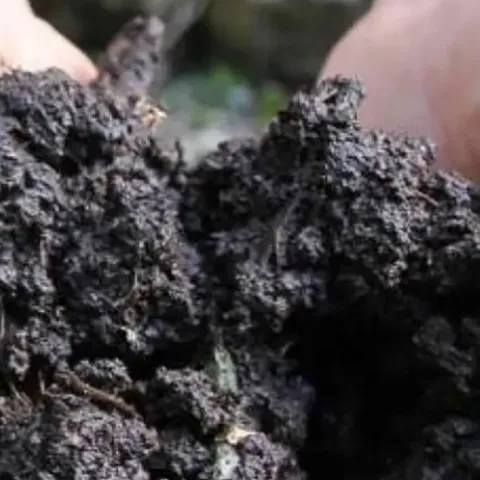
Indicators that your compost pile is finished are (1) temperature drops below 90˚ F and (2) you don’t recognize the materials you put into it.  Your compost must age for two weeks before using it. To age it, let it sit undisturbed (you can bag it and leave it undisturbed so that a new pile can be built in the meantime).  Signs of a healthy compost pile - earthy odor, heat, powdery white fungi on decomposing mat. Be safe and wear gloves and long sleeves when handling compost. 

Ready?

Now you know the alchemy of turning scraps into garden gold.  Are you ready to try it?

In future issues we will talk in more detail about the different composting methods and composting bins but if you'd like a headstart, here is some additional advice:

Compost bins can be homemade or can be purchased commercially. Keep in mind the following features when buying or building your bin:

  • Volume – the ideal bin size is three-to-five cubic feet
  • Ventilation – more ventilation in wet climates and less in dry climates
  • Construction – recycled materials can be used. Wood, cinderblocks and used chicken wire are ideal materials. Many commercial recycled plastic bins are now available. Look for one with adjustable ventilation.
  • Access for pile turning – bin should be no higher than four feet for easy access
  • Rodent resistance – vents should be too small to allow for rodent entry

Learn more home composting, or how to use compost in your garden by following this link.

Return to News to Grow By 

UC Master Gardener Program of Contra Costa County