

California's forest landowners who have experienced wildfire can face major hurdles during the recovery process, including issues with erosion, infrastructure damage, overstory tree mortality and others. There are state and federal programs available to help offset the costs associated with fire preparation and recovery. These programs are available to individuals, communities, non-profits, and businesses. Programs vary from compensation, cost-share, loans, to tax relief. Additionally, if you produce and sell agricultural products (including timber), contact your local USDA Farm Service Agency as soon as possible to help navigate their immediate assistance programs, cost-share, loans, and compensation for disasters. You may need to notify them of losses within a very short time after a disaster. For more information about recovery programs available to you, please contact your local Office of Emergency Services program, county Agriculture Department, or Resource Conservation District.
For additional information related to the recovery of your forests, reference the resources below.
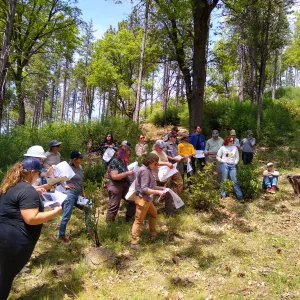
Learn About Key Post-Fire Topics
UC Cooperative Extension offers a number of education and outreach materials for forest landowners recovering from wildfire. Learn critical concepts related to forest landowner recovery with UCCE's Post-Fire Forest Resilience Team.
Learn more about post-fire resources for forest landowners here.
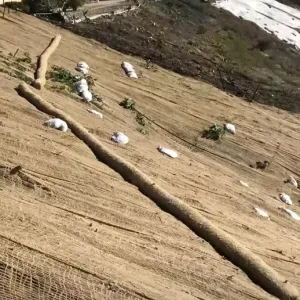
Manage for Soil Erosion Mitigation
In post-wildfire environments, the most damaging long-term impact to ecosystems is soil erosion. As a landowner, dealing with erosion is critical and a timely and proactive response post-wildfire can reduce the negative ecological and safety-related impacts of erosion.
Learn how to recognize the signs of erosion and proactively mitigate its impacts here.
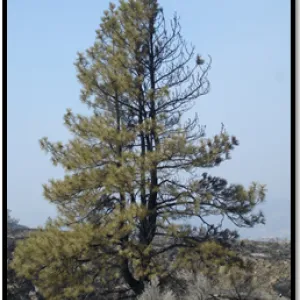
Assess Fire-Related Injuries to Trees
Falling hazards from burned trees are only a few of the issues to consider following fire. Trees weakened by fire are particularly susceptible to disease, drought, and insects. Knowing which trees to remove and which to keep is not always straightforward.
Learn how to assess the injury and survivability of conifer and hardwood trees post-wildfire here.

Discover How To Reforest Your Property
After a wildfire, adequate and timely regeneration of trees ensures that site will grow back into a forest. Reforestation can quickly reestablish tree seedlings on a site where natural regeneration is insufficient as well as influence desired tree species composition, density, and arrangement.
Reforestation is a complex, process. Connect with local experts to plan reforestation projects here.