
Why Beneficial Creatures Matter
Beneficial creatures are as important to a deck or patio garden as to an in-ground garden. You can never have enough natural predators to help manage pests and eliminate the need for toxic pesticides. But how can you attract these helpful insects, arachnids, reptiles, and amphibians?
There are two general categories of beneficial creatures. The first is pollinators who aid in fertilizing your vegetables, fruits and flowers, such as butterflies, honeybees, native bees such as bumble bees and other native bees, moths (at night), and hummingbirds. The second category, which is the focus of this article, is the pest eaters, like predatory insects, spiders, birds, frogs, and lizards.
Both categories of beneficials have a few essential needs. Soil and native surroundings should be nearby. Fresh air and clean water (in a shallow ceramic saucer, with pebbles to prevent drowning) will accommodate hot and thirsty beneficials on summer days. Flowers provide nectar (sugar) and pollen (protein) for pollinators. And as much as you hate them, a small number of living food (pests) should be present for predators. Finally, a safe shelter such as an insect hotel will keep beneficials nearby.
Meet Your Garden’s Pest-Eating Helpers
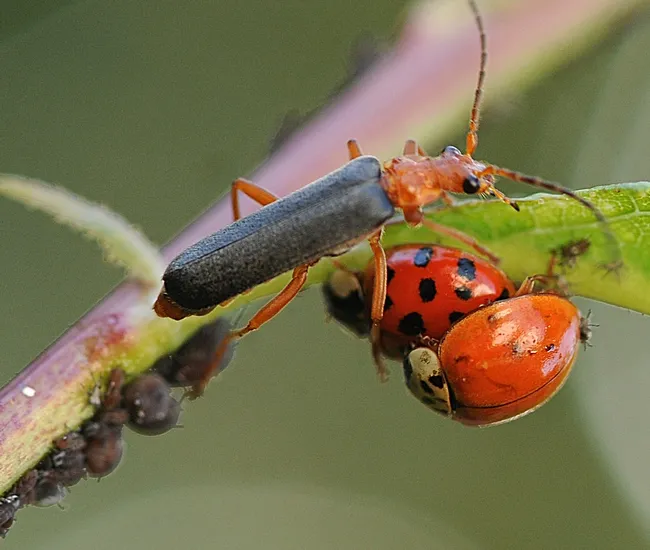
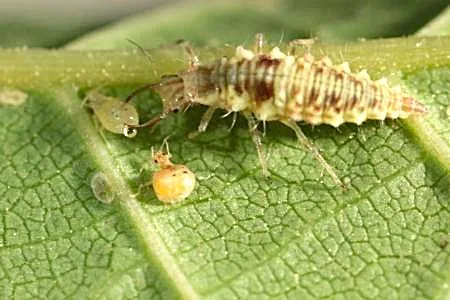
Now that you have created an attractive environment, what types of creatures make the most all-around impact? The first beneficials in spring will be the aphid-eaters, such as ladybird beetles and their larvae, aphid lions. Other aphid hunters include lacewings and their larvae, orange and black soldier beetles, black assassin bugs, parasitic wasps for worms, and, if you’re fortunate, a praying mantis or two.
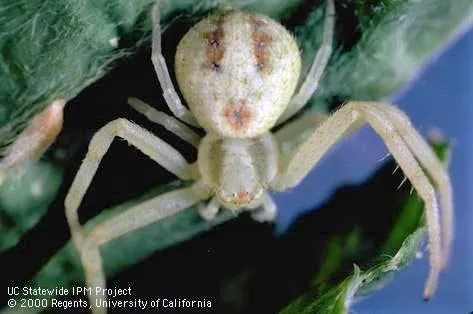
Beneficial spiders arrive in large numbers in mid- to late-spring and last through summer. If you notice webs on your plants or deck railings, spiders are doing their best to protect your garden from flies, mosquitoes, leaf hoppers, leaf miners, wasps, and harmful moths.
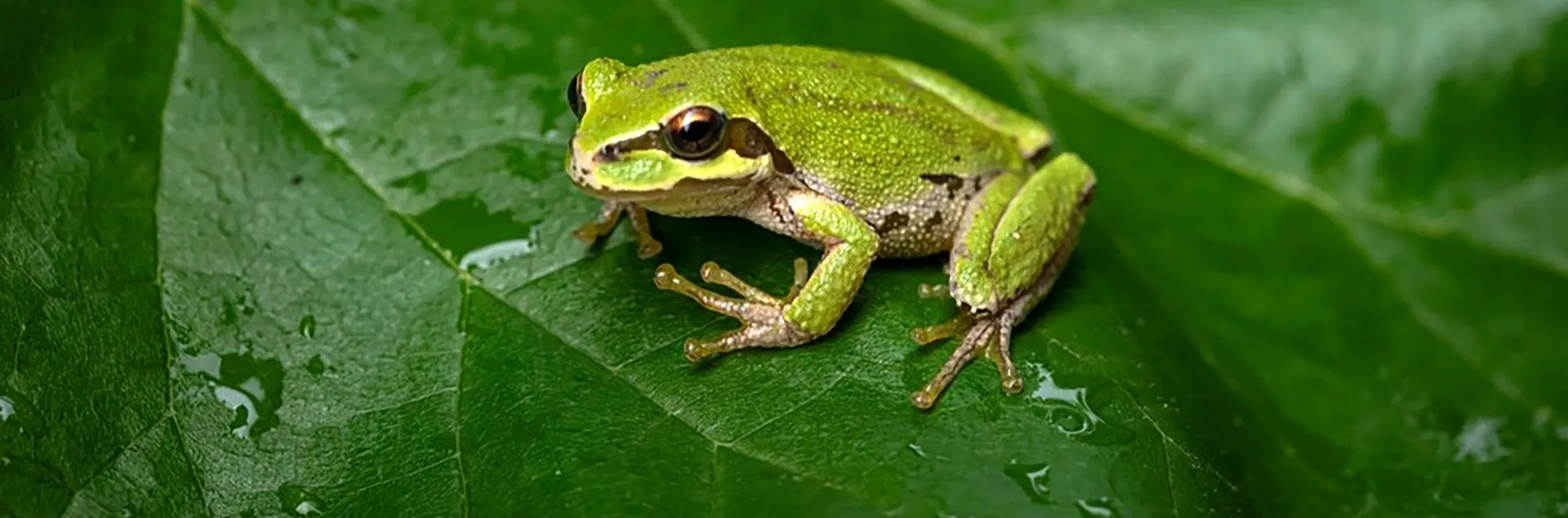
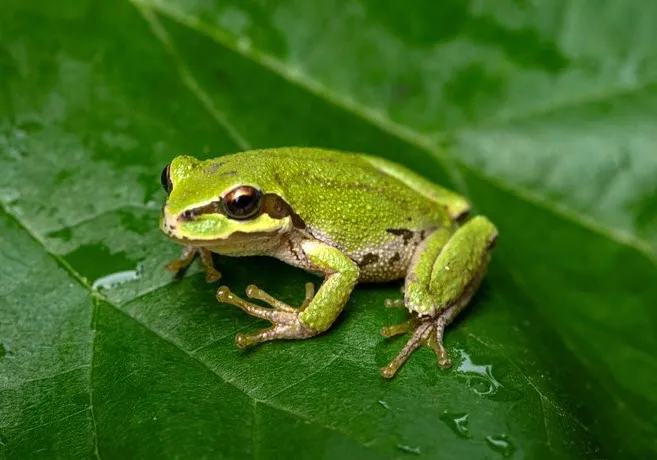
As weather warms, look for Western fence lizards doing “push-ups” on a patio rock. Lizards feast on ants, flies, mosquitoes, ticks, and harmful beetles. If a recirculating fountain or other water feature is nearby, your deck or patio may also host Pacific tree frogs, small green or brown amphibians that are harmless but eat dozens of pests each day. Their diet includes ants, flies, small beetles, small wasps, mites, ticks, and small slugs or snails.
Choose Plants That Attract Beneficials
If you’re looking to grow plants that attract beneficials into your container or patio garden, here are some good plant suggestions.
Herbs that attract beneficial insects include cilantro/coriander, dill, parsley, and fennel. Toward the end of their growing season, let these herbs flower (bolt). Their blossoms will attract small parasitic wasps, tiny California native bees, and hoverflies that eat aphids. Other herbs that attract honeybees and predatory bugs are mint, sweet alyssum, and borage.
In the Aster family of flowering plants, dwarf marigolds, yarrow, and purple coneflowers (echinacea) attract ladybird beetles and their aphid-lion nymphs, and soldier beetles. Native perennials to our area, such as monkey flower, California poppy, lantana, and buckwheat, attract honeybees, bumblebees, ladybird beetles, and lacewings. Mediterranean plantings like rosemary, lavender, sage, and spearmint also draw in honeybees, native bees, and butterflies while in bloom.
If you work at attracting these hugely beneficial creatures into your patio garden, you’ll find willing and able partners in the battle to manage pests.
Other Resources
UC IPM Beneficial Creatures Gallery
Attracting Beneficial Insects to Home Gardens
Native Plants to Attract Beneficial Insects
UC Master Gardeners of San Luis Obispo County
https://ucanr.edu/site/uc-master-gardeners-san-luis-obispo-county/native-plants-attract-beneficial-insects
Small Plants that Draw the Insects You Want
By Linda Carloni
https://ucanr.edu/blog/over-fence-alameda-county/article/small-plants-draw-insects-you-want