
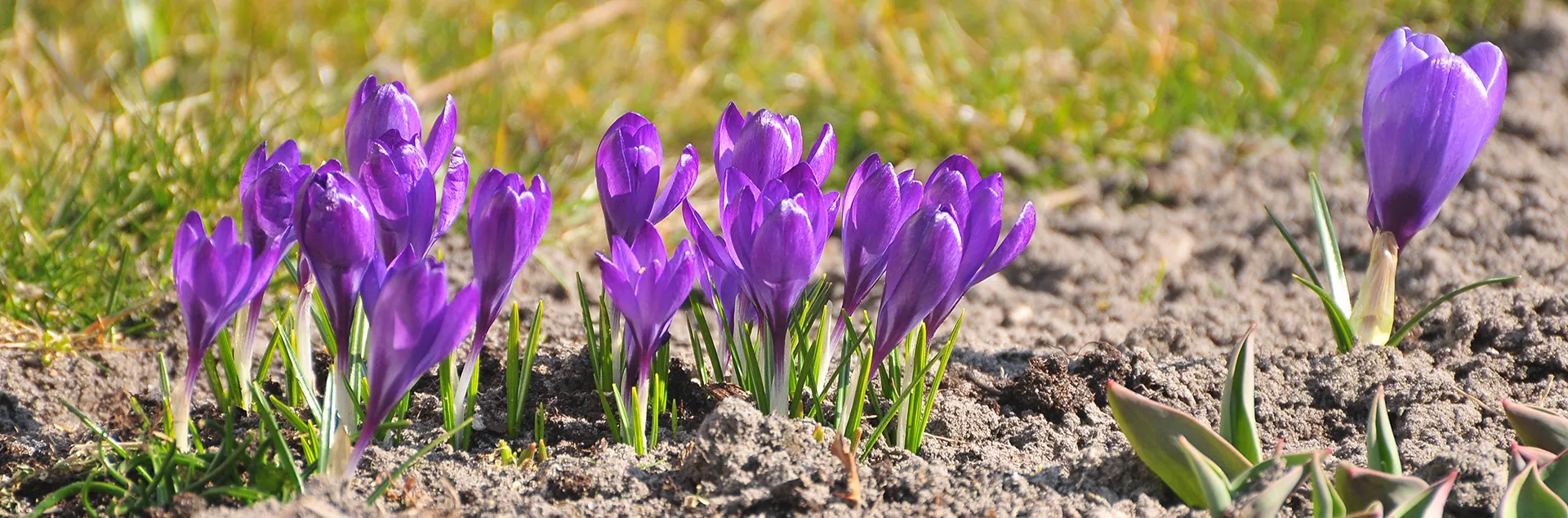
Spring flowering bulbs are a great addition to the garden!
The best time to plant spring bulbs is in the fall once cooler temperatures have set in. Plant them while the soil is still workable, ideally before the first frost in colder inland areas, so they have plenty of time to develop roots and become established over winter. Avoid planting too early, as warm temperatures may confuse the bulbs and cause them to start growing prematurely. Bear in mind that most bulbs need a sunny spot and well-drained soil in order to thrive.
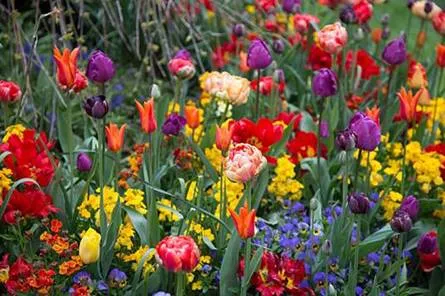
Here are some options to consider for your garden:
- Daffodils (Narcissus): Cheerful yellow or white blooms that naturalize easily, returning year after year in increasing numbers. Daffodils are also deer- and gopher-resistant because their bulbs contain toxins that these critters find unpalatable. Once established, they require minimal care and will brighten your garden for years to come.
- Tulips: Classic cup-shaped flowers in a rainbow of colors. Standard hybrid tulips are often treated as annuals in our mild-winter area, since they may not reliably rebloom after their first spring. For better perennial results, choose species tulips (e.g., Tulipa saxatilis, T. clusiana), which often repeat-bloom in our climate. Knowing whether a tulip will rebloom can be tricky, as many tulip bulb packages are often marketed to gardeners across a wide range of climates. Some bags include a hardiness zone, but when in doubt, ask the staff at your local garden center for advice. Also keep in mind that Tulip bulbs are a favorite snack for gophers and deer, so plant them in protected areas or containers if wildlife is a concern.
- Crocuses and other small bulbs: Crocuses, grape hyacinth (Muscari), glory-of-the-snow (Chionodoxa), snowdrops (Galanthus), and similar small bulbs are among the first flowers to appear in late winter. They do well in our area and can be tucked into garden borders or even lawns. Many of these will naturalize and spread over time, creating drifts of early spring color.
- Hyacinths: Fragrant, dense flower spikes in vibrant colors. You can grow hyacinth bulbs in the ground or in pots for spring bloom. They typically require a winter chill period; in mild climates, you should plan to pre-chill the bulbs for best results (more details below).
- Ranunculus, anemones, and other cut flowers: Many of the bulbs mentioned above can also be grown for cut flowers, but ranunculus, anemones, and freesia are especially good choices if you want long stems and long-lasting blooms that are perfect for a vase. You can plant freesia in fall, and it will reward you with extremely fragrant flowers every spring. Ranunculus and anemone corms can be planted in fall or even late winter for spring blooms. Before planting, it is best to presoak the corms in room-temperature water for 3–4 hours (no longer), drain them well, and plant immediately.
- Other Fall-Planted Bulbs: Dutch iris (iris bulbs/corms) can be planted in the fall to bloom in spring with orchid-like flowers. Even native California bulbs, like Ithuriel’s spear (Triteleia laxa) or mariposa lily (Calochortus), can be planted in the fall and will add unique beauty to the spring garden.
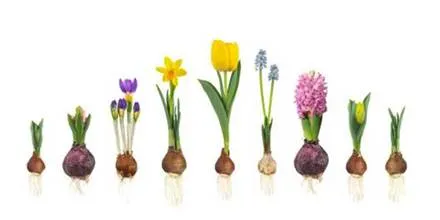
Considerations for choosing and buying bulbs
Once you’ve decided on the types of bulbs, select high-quality specimens and suitable varieties for your garden:
- Know what you’re getting: What we often call “bulbs” may actually be different types of underground storage structures, including true bulbs, corms, tubers, and rhizomes. Although they are similar in many ways, there are some key differences, including where the growth comes from (bulbs grow from the top, tubers grow from the eyes, and rhizomes grow laterally), how to divide and store them, and more. Knowing the type of “bulb” you have will guide you at planting time and later in the season as well.
- Buy quality bulbs: Purchase bulbs from reputable sources and choose top-size, firm bulbs free of soft spots, decay, or mold. Avoid soft or shriveled bulbs. Note that many garden stores will only sell bulbs seasonally and will sell out of many popular varieties quickly, so go early in the fall for the best selection.
- Climate considerations: Many spring bulbs handle our mild winters and dry summers well and will perennialize (bloom for several years) in the ground. In contrast, some highly cold-dependent bulbs, such as large hybrid tulips and hyacinths, may bloom best the first spring and then fizzle out. If you’d like to plant these varieties, you might consider treating them like annuals.
- Chill requirements: Some spring bulbs originate from regions with cold winters and require a chilling period to trigger proper bloom. The soil may not stay in the optimal cold range long enough for these bulbs. Generally, daffodils, freesias, ranunculus, iris, anemones, and most minor bulbs will receive sufficient winter chill naturally outdoors. Tulips and hyacinths, however, perform best if given some extra chilling. For these, plan to pre-chill the bulbs in your refrigerator for about 4–6 weeks before planting them in fall. Place them in ventilated paper bags (away from apples or other ripening fruit that emit ethylene gas) and keep the fridge around 35–45°F. Label each bag with the plant name, bulb type, planting time, planting depth (in inches), spacing (in inches), bloom time, and any additional notes or comments. After 4–6 weeks of chilling, plant them promptly in the garden. The bulbs will then experience the rest of the cold period in the soil and should bloom more reliably come spring. Some retailers also sell pre-chilled bulbs if you don’t have the time, space, or desire to pre-chill bulbs yourself.
- Pest resistance: Take into account any pest pressure in your garden. Gophers, squirrels. and deer will readily eat tulips, but they tend to ignore toxic or distasteful bulbs like daffodils. To avoid damage, plant bulbs in raised beds, in wire baskets sunk in the ground, or containers.
- Pollinator-friendly choices: Many spring bulbs provide early food for pollinators when not much else is blooming. Anemones, grape hyacinth, crocus, and glory-of-the-snow are all known to attract bees and other pollinators when they bloom. And with thousands of varieties to choose from, there is plenty of room to find something unusual. Take the daffodil “Replete,” for example; it looks nothing like the more common yellow or white varieties but will naturalize and repel critters just the same.
Chilling Requirement: Standard tulips and hyacinths may not receive sufficient natural winter chill in Zone 9. Keep the bulbs in a paper bag in the fridge crisper drawer (away from ripening fruit) for 6–8 weeks before planting them in late fall.
Soil Drainage: If you have heavy clay soil in Zone 9, amend it with compost or other organic matter to improve drainage and loosen the soil. This will help prevent bulbs from becoming waterlogged and rotting during winter rains.
Timing: Wait to plant until nighttime air temperatures consistently drop to 40–50°F and soil cools down, usually between October and December. Give them a good drink right after planting, then keep the soil lightly and consistently moist through winter.
Time to plant
- Prepare the soil before planting your bulbs. Choose loose, well-drained soil, and mix in organic matter such as compost and peat moss. Use a trowel to dig a planting hole or trench. As a general rule, plant bulbs at a depth of about three times their diameter. For example, if the bulb is 2 inches in diameter, dig a hole approximately 6 inches deep.
- Consider the planting arrangement carefully. For a more natural and pleasing look, plant bulbs in drifts or groups rather than in straight lines.
- Provide enough space between each bulb. Arrange small varieties about 4 inches apart. For larger plants like dahlias and lilies, 5-6 inches is better. Place the bulbs gently into the hole with the pointed top upward.
- If you’re planting bulbs that may need support, it’s best to add stakes at planting time. Staking later, after the bulbs begin to grow, risks damaging or piercing them.
- Cover the bulbs with soil, then water thoroughly to encourage them to take root. For spring-flowering bulbs, add 2–3 inches of mulch to the garden bed to help protect the bulbs from cold temperatures and prevent the soil from drying out.
How to plant bulbs in pots
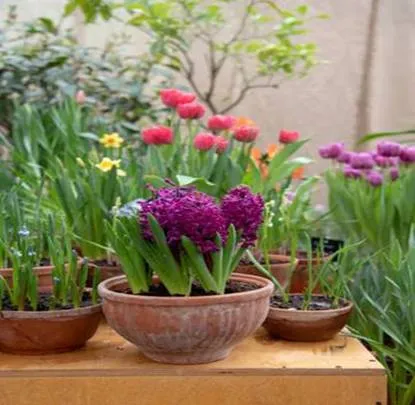
Bulbs grow very well in pots and make the perfect addition to your container gardening ideas.
When planting bulbs in pots, consider layering different varieties at different depths for a succession of blooms. Plant the earliest-flowering bulbs in the bottom layer and the latest-flowering bulbs closer to the surface.
Choose a deep container with a drainage hole at the bottom. Ensure there will be enough room for a layer of potting soil at least three times the height of the bulbs both below and above them, giving the bulbs plenty of space to grow.
Cover the bulbs with potting soil to the appropriate depth for their size, then water thoroughly. If planting in fall, water again in January and February. Place the container in a sunny location and enjoy the succession of color as the bulbs emerge and bloom.
Plant your bulbs this fall, and give yourself something beautiful to look forward to next spring!
Sources
California Master Gardener Handbook
UC Master Gardeners of Alameda County