By Reka Vasicsek, Summer J Cortez, Gail M Woodward-Lopez
A new Nutrition Policy Institute research brief summarizes findings from a 2023 study—currently a candidate for Nutrients' Best Paper of 2023—titled “Associations between Changes in Food Acquisition Behaviors, Dietary Intake, and Body Weight during the COVID-19 Pandemic among Low-Income Parents in California…
By Reka Vasicsek, Summer J Cortez, Richard Pulvera, Wendi Gosliner
A new research brief from the Nutrition Policy Institute highlights the role of federal and state programs in promoting healthy and equitable food retail environments. The study, “Availability and Quality of Healthy Foods Vary by Store Participation in SNAP and WIC in Low-Income California Neighborhoods,”…
Preserve It! Beware (and be aware) of vinegar with low acidity on store shelves by UCCE Master Food Preserver Laurie Lewis There’s a concern that, in the past few years, we have been seeing white vinegar with 4-percent acidity on store shelves. All our tested, safe recipes for home food…
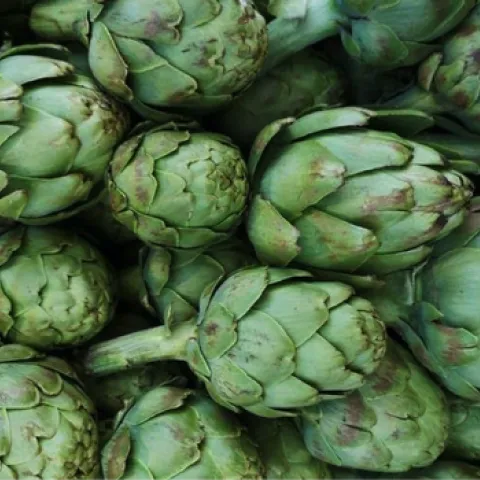
Artichoke, Cynara scolymus, is a perennial, cool-season edible flower. Grows three to four feet tall and wide. Thrives in Marin's coastal climate, where it can produce two crops of tender flower buds a year for five plus years.
Asparagus officinalis is a perennial vegetable with edible green stalks. Plants can live for 15+ years. Native to the coastal regions of Europe and Asia.
Beans, Phaseolus vulgaris, are warm season legumes native to Central or South America. Grown since ancient times. Eat fresh in pod or shell and dry. Pole beans grow six to 10 feet. Bush beans grow two feet tall and wide. Good source of fiber and vegetable protein. Enriches soil with nitrogen.
Recorded zoom class with slides on how to get started and troubleshoot your citrus garden with master gardener, Loretta Heath. Special attention to selecting citrus trees.
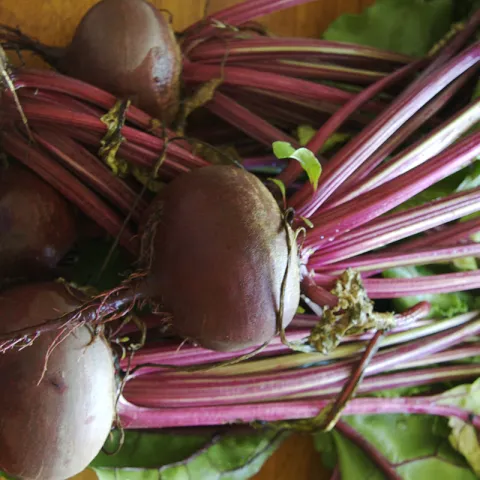
Beets, Beta vulgaris, are a herbaceous biennial that is usually grown as an annual during the cooler months of the year. It is grown as a root vegetable, but the leaves can also be eaten.