A Natural Solution for California's Herds: African Catfish Peptides

California's cattle producers and agricultural communities are all too familiar with the rising challenge of antibiotic resistance, making common bacterial infections harder to treat in livestock. But imagine a future where we could tackle these infections with a natural, powerful alternative. Our research points to just that: antimicrobial peptides (AMPs) found in African catfish.

We're really excited about these peptides because African catfish thrive in pathogen-rich freshwater, naturally producing these robust immune compounds in their skin mucus as a defense. This natural origin makes them highly appealing alternatives to synthetic drugs.

Predicted Safety and Potent Action

One of the most compelling aspects of these AMPs is their predicted safety for mammals. Our initial computer analyses suggest that various catfish AMPs are generally recognized as safe (GRAS). We predict they'll be absorbed in the human intestine without causing liver, brain, or heart toxicity. Furthermore, lab tests on a promising peptide, NACAP-II, confirmed it was non-hemolytic, meaning it didn't damage rabbit red blood cells—a strong indicator of its potential safety for mammalian cells.

Beyond safety, these peptides demonstrate effectiveness against problematic bacteria. One study revealed NACAP-II's strong activity against Extended-Spectrum Beta-Lactamase (ESBL)-producing Escherichia coli—a critical concern for both animal and human health due to its resistance to many common antibiotics. Another peptide, ACAP-IV, also showed antibacterial activity against E. coli and Staphylococcus aureus. We believe these AMPs work by directly disrupting bacterial cell membranes, a mechanism that makes it harder for bacteria to develop resistance compared to how they resist traditional antibiotics.
Primary Image
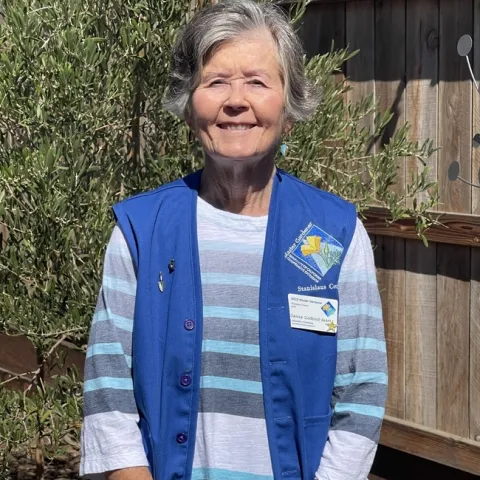
Smiling woman with short gray hair wearing a blue vest, author photo.
The Stanislaus Sprout: Article

Edible Flowers from Vegetable, Fruit, and Weed Plants

April 17, 2023
By Anne E Schellman
Last week I discussed ornamental edible flowers. This article features some of the edible flowers from vegetable, fruit and weed plants. A reminder: before consuming edible flowers, one should always proceed with caution.
View Article
Primary Image
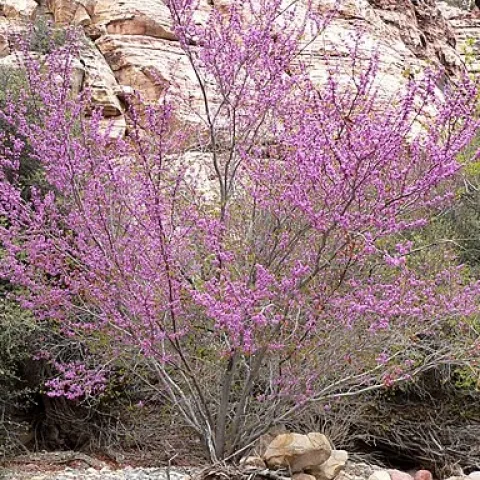
Light purplish pink multi-trunked tree in a canyon.
The Stanislaus Sprout: Article

What's that tree? (Oklahoma and Western Redbud)

April 17, 2023
By Anne E Schellman
Around this time of year, Master Gardeners are often asked, What is the name of the gorgeous flowering tree blooming in your parking lot? Everyone describes the flower colors differently, with some saying they are pink while others say purple or red.
View Article
Primary Image
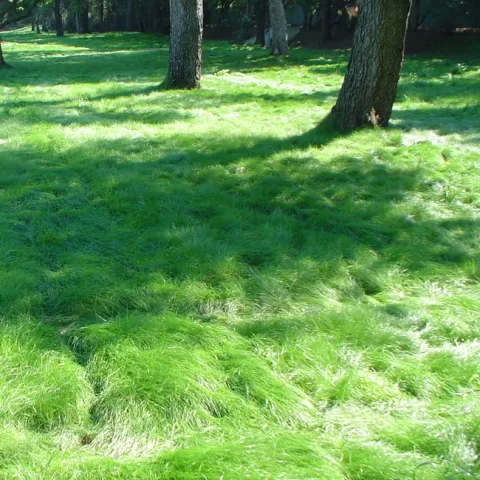
California Native Grass, another lawn replacement choice
Spill the Beans: Article

Blue Grama Grass and Creeping Red Fescue

April 17, 2023
by Melody Kendall One of the ways to conserve water in your landscape is to reduce or remove your thirsty lawn and replace it with a more water friendly option. Water reduction can be achieved by using native grasses and grass-like plants in place of turf.
View Article
Primary Image
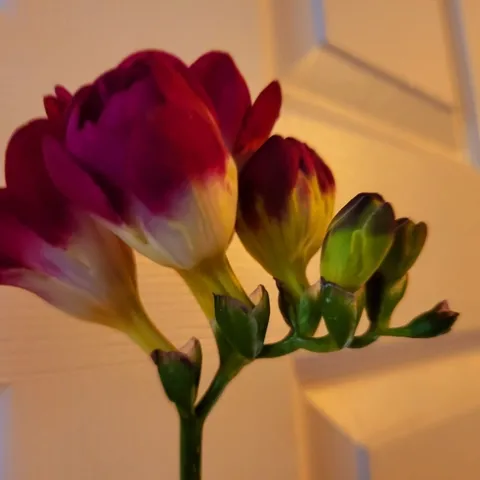
Maroon Freesia - P. Pashby
Under the Solano Sun: Article

Freesia-'Scent'-sational Delight!

April 17, 2023
I love this time of year when the flowers poke their little heads up and bloom, seemingly to celebrate the coming of Spring. When we moved to Vacaville we found many lovely plants spread throughout our garden, which is one of the reasons why we fell in love with this home.
View Article
Primary Image
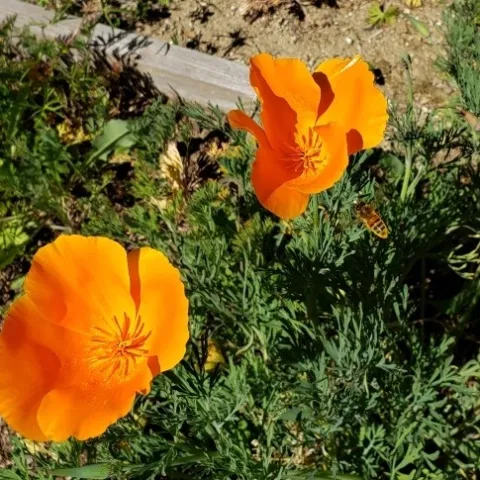
California poppies blooming. Bee in photo.
ANR Adventures: Article

Mental health is important

April 16, 2023
By Deanne Meyer
The Western Extension Directors had our monthly meeting on Tuesday. Our guest speaker was Donald McMoran from Washington State University. Don has gathered a group together to tackle parts of farm stress.
View Article
Nutrition Policy Institute News: Article

Nutrition Policy Institute researchers present at the UC ANR Statewide Conference in support of the 2025-2040 strategic visioning process

April 16, 2023
By Lorrene D Ritchie, Danielle Lee
The University of California Agriculture and Natural Resources is calling academics, UC ANR staff, and students to attend the kickoff of their 2025-2040 strategic visioning process at the UC ANR Statewide Conference on April 24-27, 2023 in Fresno, California.
View Article