A Natural Solution for California's Herds: African Catfish Peptides

California's cattle producers and agricultural communities are all too familiar with the rising challenge of antibiotic resistance, making common bacterial infections harder to treat in livestock. But imagine a future where we could tackle these infections with a natural, powerful alternative. Our research points to just that: antimicrobial peptides (AMPs) found in African catfish.

We're really excited about these peptides because African catfish thrive in pathogen-rich freshwater, naturally producing these robust immune compounds in their skin mucus as a defense. This natural origin makes them highly appealing alternatives to synthetic drugs.

Predicted Safety and Potent Action

One of the most compelling aspects of these AMPs is their predicted safety for mammals. Our initial computer analyses suggest that various catfish AMPs are generally recognized as safe (GRAS). We predict they'll be absorbed in the human intestine without causing liver, brain, or heart toxicity. Furthermore, lab tests on a promising peptide, NACAP-II, confirmed it was non-hemolytic, meaning it didn't damage rabbit red blood cells—a strong indicator of its potential safety for mammalian cells.

Beyond safety, these peptides demonstrate effectiveness against problematic bacteria. One study revealed NACAP-II's strong activity against Extended-Spectrum Beta-Lactamase (ESBL)-producing Escherichia coli—a critical concern for both animal and human health due to its resistance to many common antibiotics. Another peptide, ACAP-IV, also showed antibacterial activity against E. coli and Staphylococcus aureus. We believe these AMPs work by directly disrupting bacterial cell membranes, a mechanism that makes it harder for bacteria to develop resistance compared to how they resist traditional antibiotics.
Primary Image
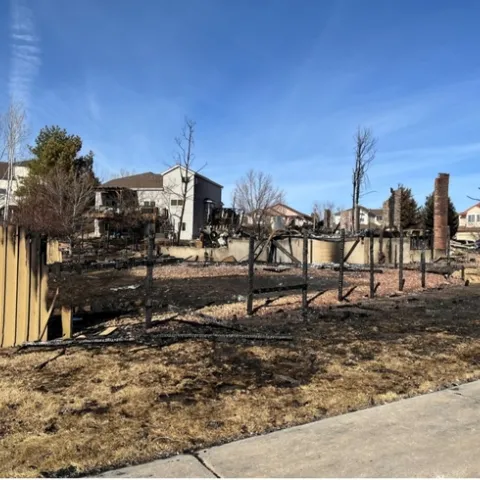
House undergoing remodeling. The construction is down to the two by fours and ply board on the new addition.
ANR Adventures: Article

Senseless acts of violence

January 29, 2023
By Deanne Meyer
There is hope in new beginnings. The week began with more news from the Monterey Park shootings. That was followed by shootings in Half Moon Bay. More shots in Oakland. Saturday's news was about another shooting in the LA area (Beverly Crest). Prior to these was a shooting in Goshen.
View Article
Primary Image
Figure 3: External (top photo) and internal (bottom photo) injury was measured in unshielded and painted hazelnut trunks, showing a reduction of injury in painted trunks. The trees pictured were sprayed with 224 fluid ounces per acre of glufosinate (4x the legal label rate).
UC Weed Science (weed control, management, ecology, and minutia): Article

Protecting hazelnut trunks from herbicide injury

January 29, 2023
By Gale Perez
Sucker control in Oregon hazelnut orchards is a season-long struggle against the tree's natural growth habit. Hazelnut trees grow naturally as a multi-stemmed bush, but in Oregon, hazelnuts are trained as a single-trunk tree to facilitate mechanical maintenance, harvest, and reduce pathogens.
View Article
Primary Image
photo credit: Pat Hitchcock clockwise from 12 o’clock: Marathon, De Cicco, Apollo, Batavia (similar to Marathon)

The broccoli trials

January 28, 2023
Broccoli is categorized as a cool-season crop, and the best-flavored broccoli forms heads during mild weather. In our Napa Valley climate, we have two prime times to grow it in home gardens: early spring and fall/winter.
View Article
Primary Image
Cut orchardgrass in first two rows of the crop in the field with mountains in background.
ANR Employee News: Article

IREC calls for research proposals

January 27, 2023
By Pamela S Kan-Rice
The Intermountain Research and Extension Center is soliciting proposals from researchers for new and continuing research projects in 2023-24. IREC is a 140-acre research facility located at 4,000 feet elevation near the Oregon border.
View Article
ANR Employee News: Article

Water resources research proposals due Feb. 28

January 27, 2023
By Pamela S Kan-Rice
The California Institute for Water Resources is pleased to announce its 2023-25 Request for Proposals for junior investigators. Funded projects are slated to begin Sept. 1. Please note that the funding period may fluctuate and is based on budget appropriations. The deadline for submission is Feb.
View Article