A Natural Solution for California's Herds: African Catfish Peptides

California's cattle producers and agricultural communities are all too familiar with the rising challenge of antibiotic resistance, making common bacterial infections harder to treat in livestock. But imagine a future where we could tackle these infections with a natural, powerful alternative. Our research points to just that: antimicrobial peptides (AMPs) found in African catfish.

We're really excited about these peptides because African catfish thrive in pathogen-rich freshwater, naturally producing these robust immune compounds in their skin mucus as a defense. This natural origin makes them highly appealing alternatives to synthetic drugs.

Predicted Safety and Potent Action

One of the most compelling aspects of these AMPs is their predicted safety for mammals. Our initial computer analyses suggest that various catfish AMPs are generally recognized as safe (GRAS). We predict they'll be absorbed in the human intestine without causing liver, brain, or heart toxicity. Furthermore, lab tests on a promising peptide, NACAP-II, confirmed it was non-hemolytic, meaning it didn't damage rabbit red blood cells—a strong indicator of its potential safety for mammalian cells.

Beyond safety, these peptides demonstrate effectiveness against problematic bacteria. One study revealed NACAP-II's strong activity against Extended-Spectrum Beta-Lactamase (ESBL)-producing Escherichia coli—a critical concern for both animal and human health due to its resistance to many common antibiotics. Another peptide, ACAP-IV, also showed antibacterial activity against E. coli and Staphylococcus aureus. We believe these AMPs work by directly disrupting bacterial cell membranes, a mechanism that makes it harder for bacteria to develop resistance compared to how they resist traditional antibiotics.
Primary Image
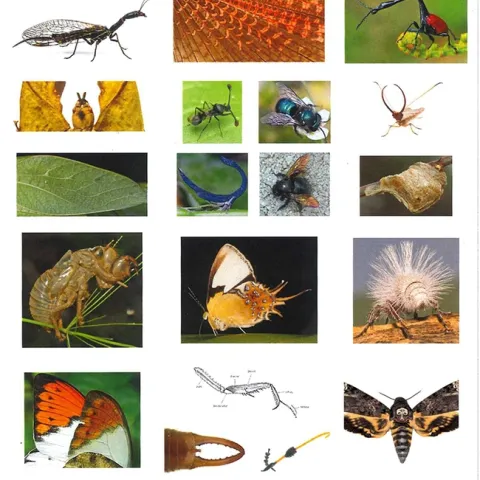
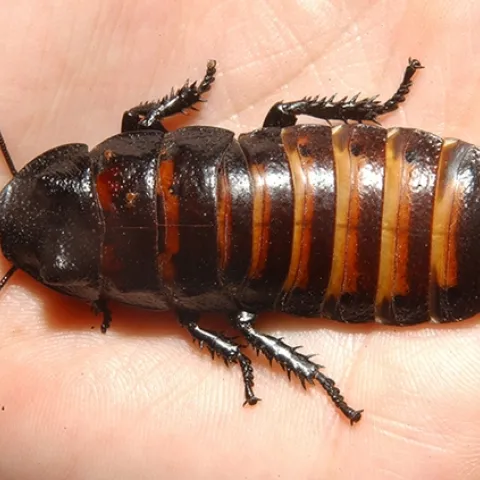
Theme of the Bohart's open house is "Bugs, Boom, Bang!" This critter, a Madagascar hissing cockroach, will hiss. (Photo by Kathy Keatley Garvey)
Bug Squad: Article

Bohart: Bugs, Boom, Bang!

April 13, 2023
By Kathy Keatley Garvey
Talk about alliteration! Bohart: Bugs, Boom, Bang! That's the theme of the Bohart Museum of Entomology open house when the scientists and associates greet visitors during the 109th annual campuswide UC Davis Picnic Day on Saturday, April 15. The Bohart will be open from 10 a.m. to 2 p.m.
View Article
Primary Image
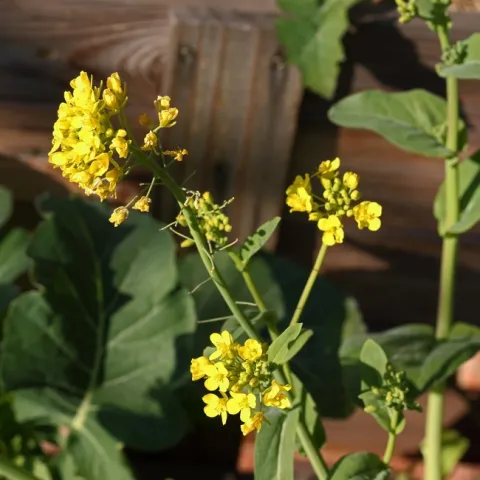
Bolting bok choy. https://www.publicdomainpictures.net/en/view-image.php?image=426924&picture=flowers-of-a-bolting-bok-choy-plant
Under the Solano Sun: Article

Vegetables Bolting?

April 13, 2023
Have your bok choy, cabbage or spinach plants recently bolted? (Note: bolting is a term used to describe vegetable plants that have prematurely begun to flower. If you have, you're not alone. Gardeners from around the county have complained their veggies have bolted.
View Article
Primary Image
Photo by Deborah Light-Pacheco
UC Master Gardeners- Diggin' it in SLO: Article

Violas

April 12, 2023
Violas By Deborah Light-Pacheco UCCE Master Gardener Common name of plant: viola, violet, pansy Scientific name: Violaceae Planting area: Sunset zones vary by species Size: low growing, 5-7 inches Bloom Season: some are annuals, some perennials Exposure: part to full sun; varies by species Pruning n...
View Article
Primary Image
Photo by Ardis Neilsen
UC Master Gardeners- Diggin' it in SLO: Article

Arugala

April 12, 2023
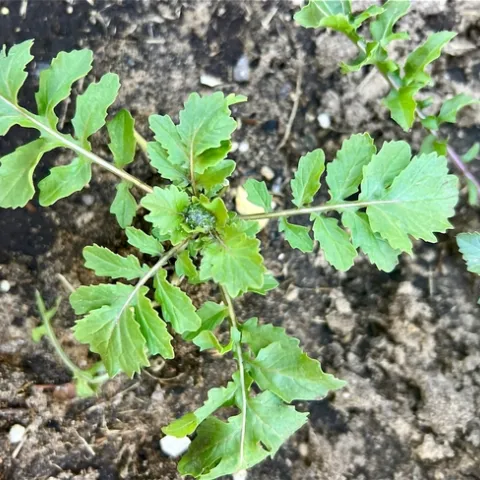
Arugala By Ardis Neilsen UCCE Master Gardener Planting, Growing, and Harvesting Arugula Common Name: arugula or rocket Scientific Name: Eruca vesicaria Planting Area: USDA 3-11 Size:width - 5 to 12 inches, height - 4 to 18 inches Growing Season: annual, fall and spring Exposure: full sun, partial sh...
View Article
Primary Image
Photo by Polly Nelson

California Natives In Containers

April 12, 2023
California Natives In Containers By Polly Nelson UCCE Master Gardener The loss of an aging, yet significant shade structure in my full-sun backyard, which has little in-ground growing space, started me on a learning adventure to see what native plants I could grow successfully.
View Article
UCCE in the County of San Luis Obispo: Article

2023 SOD BLITZ

April 12, 2023
The tree disease Sudden Oak Death (SOD) is killing millions of oaks in California and Oregon with the southernmost known location at the Monterey/San Luis Obispo County border. Early detection on bay laurel trees is key to slowing the SOD epidemic.
View Article