A Natural Solution for California's Herds: African Catfish Peptides

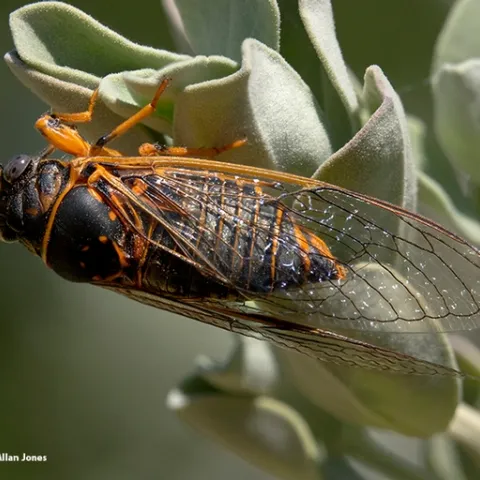
California's cattle producers and agricultural communities are all too familiar with the rising challenge of antibiotic resistance, making common bacterial infections harder to treat in livestock. But imagine a future where we could tackle these infections with a natural, powerful alternative. Our research points to just that: antimicrobial peptides (AMPs) found in African catfish.

We're really excited about these peptides because African catfish thrive in pathogen-rich freshwater, naturally producing these robust immune compounds in their skin mucus as a defense. This natural origin makes them highly appealing alternatives to synthetic drugs.

Predicted Safety and Potent Action

One of the most compelling aspects of these AMPs is their predicted safety for mammals. Our initial computer analyses suggest that various catfish AMPs are generally recognized as safe (GRAS). We predict they'll be absorbed in the human intestine without causing liver, brain, or heart toxicity. Furthermore, lab tests on a promising peptide, NACAP-II, confirmed it was non-hemolytic, meaning it didn't damage rabbit red blood cells—a strong indicator of its potential safety for mammalian cells.

Beyond safety, these peptides demonstrate effectiveness against problematic bacteria. One study revealed NACAP-II's strong activity against Extended-Spectrum Beta-Lactamase (ESBL)-producing Escherichia coli—a critical concern for both animal and human health due to its resistance to many common antibiotics. Another peptide, ACAP-IV, also showed antibacterial activity against E. coli and Staphylococcus aureus. We believe these AMPs work by directly disrupting bacterial cell membranes, a mechanism that makes it harder for bacteria to develop resistance compared to how they resist traditional antibiotics.

Primary Image
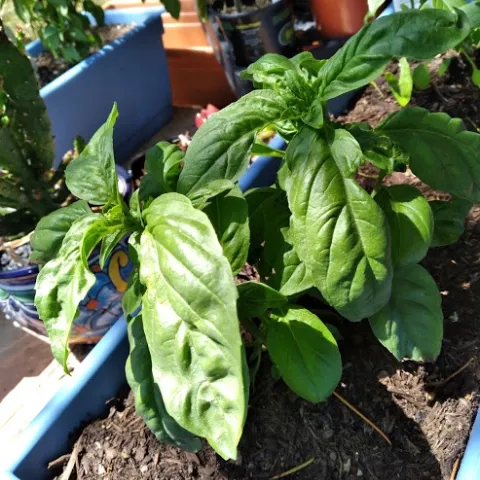
summer basil
UCCE Master Gardeners of San Bernardino County Blogs: Article

Coordinators Corner: Planning your Summer, Warm Season, Plantings

May 12, 2021
By Margaret J O'neill
As Master Gardeners we love to share our mantra right plant, right place, and many of us throw in right time as well. Planting the right plant (suited for your climate, microclimate etc.) in the right place (appropriate sun, soil, wind exposure etc.) helps your plants to survive and thrive.
View Article
Kern County: Article

Green Scene May 2021

May 12, 2021
Meetings and Announcements Weekly Zoom Presentation Horticultural Study Tour XII: Wales, Edinburgh, Northern Scotland Position Announcement from NOR Ants...
View Article
Primary Image
topics in sub masthead
Topics in Subtropics: Article

A New Topics Newsletter

May 12, 2021
By Ben A Faber
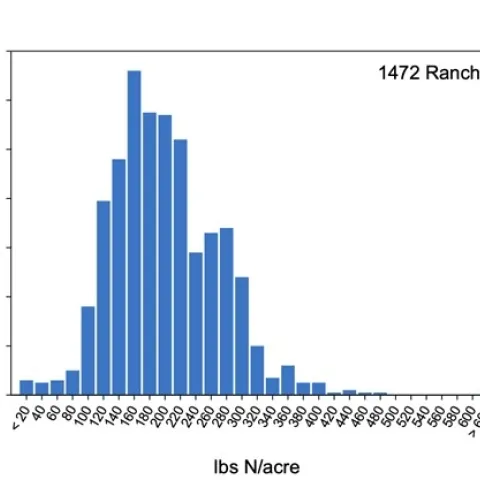
There's a new edition of Topics in Subtropics available with the following articles: Progress in Developing Mechanical Harvesting for California Black Ripe Manzanillo' Table Olives Developing a Nitrogen Fertilizer Plan for Olive Orchards Should I Pay for Avocado Pollination Services?
View Article
Primary Image
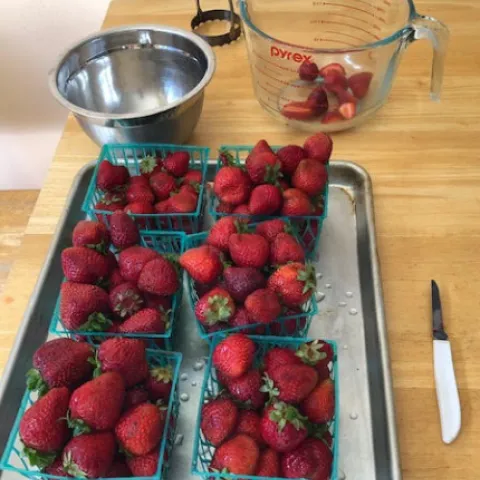
Washed and cut strawberries ready to make jam
Master Food Preserver SLO/SB Counties: Article

Jam On!

May 12, 2021
It's that time of year again when the strawberries on the Central Coast of California ripen in the fields and the markets begin bursting with flats of these juicy red berries.
View Article
Primary Image
Screenshot 20210416-095849 Chrome
UCCE San Bernardino County Consumer and Family Science News: Article

EFNEP Partners with San Andreas High School for Farm to School Fridays

May 11, 2021
By Christine Davidson
The Expanded Food and Nutrition Education Program (EFNEP) has partnered with San Andreas High School for over a decade. The partnership began with EFNEP bringing workshops on preparing and eating healthy food to the Cal SAFE program for pregnant teens.
View Article
Primary Image
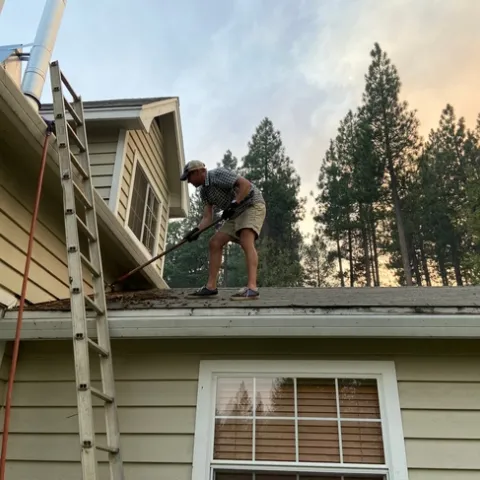
Ryan Tompkins stands on his roof raking moss, vegetative debris, and leaf litter from the gutters.
Green Blog: Article

May is Wildfire Preparedness Month!

May 11, 2021
By Tracy K Schohr
Many of us know May for flowers and Mother's Day (hope you didn't forget!), but after last year's widespread and long-lasting fire season, many Californians have come to recognize May as Wildfire Preparedness Month.
View Article