A Natural Solution for California's Herds: African Catfish Peptides

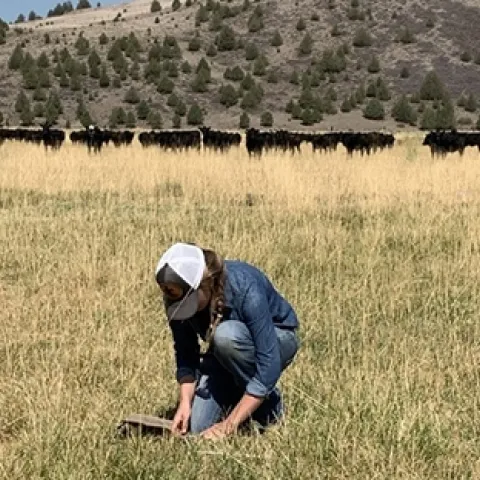
California's cattle producers and agricultural communities are all too familiar with the rising challenge of antibiotic resistance, making common bacterial infections harder to treat in livestock. But imagine a future where we could tackle these infections with a natural, powerful alternative. Our research points to just that: antimicrobial peptides (AMPs) found in African catfish.

We're really excited about these peptides because African catfish thrive in pathogen-rich freshwater, naturally producing these robust immune compounds in their skin mucus as a defense. This natural origin makes them highly appealing alternatives to synthetic drugs.

Predicted Safety and Potent Action

One of the most compelling aspects of these AMPs is their predicted safety for mammals. Our initial computer analyses suggest that various catfish AMPs are generally recognized as safe (GRAS). We predict they'll be absorbed in the human intestine without causing liver, brain, or heart toxicity. Furthermore, lab tests on a promising peptide, NACAP-II, confirmed it was non-hemolytic, meaning it didn't damage rabbit red blood cells—a strong indicator of its potential safety for mammalian cells.

Beyond safety, these peptides demonstrate effectiveness against problematic bacteria. One study revealed NACAP-II's strong activity against Extended-Spectrum Beta-Lactamase (ESBL)-producing Escherichia coli—a critical concern for both animal and human health due to its resistance to many common antibiotics. Another peptide, ACAP-IV, also showed antibacterial activity against E. coli and Staphylococcus aureus. We believe these AMPs work by directly disrupting bacterial cell membranes, a mechanism that makes it harder for bacteria to develop resistance compared to how they resist traditional antibiotics.

Primary Image
penicillium
Topics in Subtropics: Article

The Power of Fungi

March 19, 2021
By Ben A Faber
Paraquat is a very lethal pesticide that requires sime pretty heavy level of protective gear if it is to be used. It's an old pesticide and there are many newer ones that are much safer to use. Here's an example of the power of fungi to neutralize this chemical.
View Article
Primary Image
IMG 2727
Placer/Nevada 4-H Blog: Article

Chicago Park 4-H Community Club, Flower Arranging Project

March 18, 2021
Chicago Park 4-H Flower Arranging project has had a great time this 4-H year in spite of Covid restrictions and the cancelling the 2020 County Fair. During the Fall we met outside, less than 10 folks, with all 4-H safety guidelines. Our project meetings were held at Dinner Bell Farm in Chicago Park.
View Article
Primary Image
A black-tailed bumble bee, Bombus melanopygus, heading for the Garvey nectarine tree on March 18, 2018 in Vacaville, Calif. (Photo by Kathy Keatley Garvey)

Where Are All the Bumble Bees?

March 18, 2021
By Kathy Keatley Garvey
Seen any bumble bees lately? No? Me, neither. It's almost the first day of spring, and bumble bees are as scarce as the proverbial hen's teeth. (Hens have no teeth, y'know.) We've been watching our nectarine tree bloom. It's drawing honey bees, but no bumble bees.
View Article
Nut Crops: Article

March 2021 In a Nutshell

March 18, 2021
March 2021 Featured articles: Budbreak, Bloom, and Pollination Events Mark the Start of the Walnut Season Online Resource for Information on Whole Orchard Recycling (WOR) Phytophthora-Not Just a Root and Crown Disease in Almond Implementing Best Management Practices for Nitrogen Fertilization in Alm...
View Article
Kern County: Article

Vineyard Nutrition Survey

March 18, 2021
Invitation to complete survey for improving nutrient management practices in vineyards See attached for information and survey link...
View Article
ANR Employee News: Article

ANR@Work survey closes April 9

March 18, 2021
By Pamela S Kan-Rice
The ANR@Work Survey which will be open through April 9 gives all academics and staff an opportunity to provide feedback about their experience working at UC ANR.
View Article
Santa Cruz County: Article

Salinas Valley Fair - Updates

March 18, 2021
Dear Livestock Leader & Youth, We received an update from Salinas Valley Fair for livestock members & youth interested in exhibiting a still exhibit. Deadline to enter in the Salinas Valley Fair is April 1st.
View Article
Primary Image
Picture 1
Salinas Valley Agriculture: Article

Identification of Pythium wilt of lettuce in the field

March 18, 2021
Identification of Pythium wilt of lettuce in the field Authors: Richard Smith, JP Dundore Arias and Steve Koike Farm Advisor, UCCE Monterey County, Professor of Plant Pathology, California State University, Monterey Bay, and Director, TriCal Diagnostics Pythium wilt, caused by Pythium uncinulatum, i...
View Article