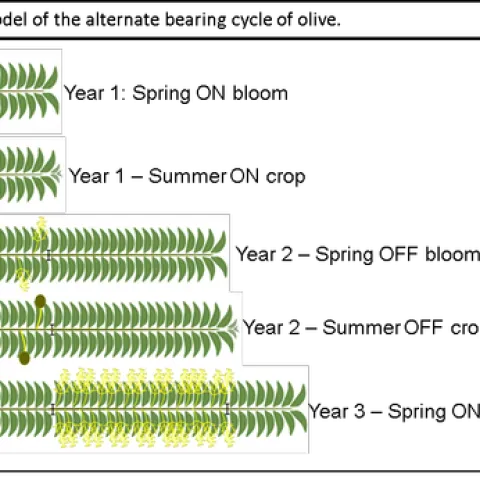
A Natural Solution for California's Herds: African Catfish Peptides

California's cattle producers and agricultural communities are all too familiar with the rising challenge of antibiotic resistance, making common bacterial infections harder to treat in livestock. But imagine a future where we could tackle these infections with a natural, powerful alternative. Our research points to just that: antimicrobial peptides (AMPs) found in African catfish.

We're really excited about these peptides because African catfish thrive in pathogen-rich freshwater, naturally producing these robust immune compounds in their skin mucus as a defense. This natural origin makes them highly appealing alternatives to synthetic drugs.

Predicted Safety and Potent Action

One of the most compelling aspects of these AMPs is their predicted safety for mammals. Our initial computer analyses suggest that various catfish AMPs are generally recognized as safe (GRAS). We predict they'll be absorbed in the human intestine without causing liver, brain, or heart toxicity. Furthermore, lab tests on a promising peptide, NACAP-II, confirmed it was non-hemolytic, meaning it didn't damage rabbit red blood cells—a strong indicator of its potential safety for mammalian cells.

Beyond safety, these peptides demonstrate effectiveness against problematic bacteria. One study revealed NACAP-II's strong activity against Extended-Spectrum Beta-Lactamase (ESBL)-producing Escherichia coli—a critical concern for both animal and human health due to its resistance to many common antibiotics. Another peptide, ACAP-IV, also showed antibacterial activity against E. coli and Staphylococcus aureus. We believe these AMPs work by directly disrupting bacterial cell membranes, a mechanism that makes it harder for bacteria to develop resistance compared to how they resist traditional antibiotics.

Primary Image
Photo by Diane Valentine
UC Master Gardeners- Diggin' it in SLO: Article

Winter Daphne

March 25, 2021
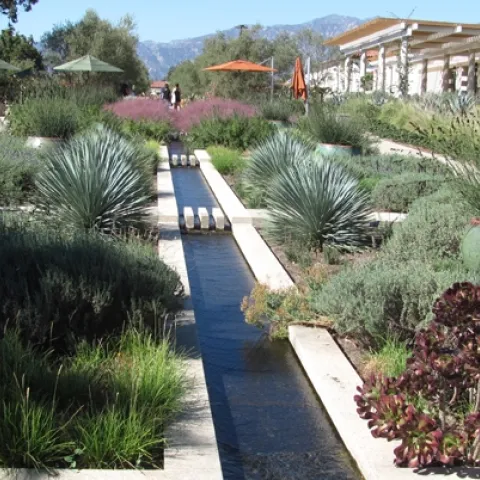
Winter Daphne By Leonard Cicerello UCCE Master Gardener Daphne odora Planting area: Sunset zones 4-10, 12, 14-17 Size: 4' high and 6' wide. Bloom season: Spring. Exposure: Morning sun and afternoon shade. Pruning needs: Minimal pruning to correct shape.
View Article
Primary Image
Photo by Andrea Peck
UC Master Gardeners- Diggin' it in SLO: Article

Kiwi

March 25, 2021
Kiwi By Andrea Peck UCCE Master Gardener Kiwifruit (Actinidia deliciosa) Planting Area: Full Sun, USDA Zones 7-9 Size: Grows 15'-30' tall and 6;-10' wide Bloom Season: Spring Fruit Season: Fall Exposure: Sensitive to frost/freeze. Pruning Needs: Twice yearly Water Needs: Medium.
View Article
Primary Image
Closer view. Carmine mite among large infestation of twospotted spider mites. Note late stage twospotted mite nymph at upper left.
Strawberries and Caneberries: Article

Carmine Mite in Strawberry - Addended

March 25, 2021
By Mark P Bolda
This one doesn't show too much in strawberry here on the Central Coast, so I was glad when the sample was brought in to me. Complaint was fairly significant numbers of a reddish mite mixed together with a mess of twospotted mite. Are these going to cause a problem was the question.
View Article
Primary Image
190301 Landscape Weed Mgmt WEB
Pests in the Urban Landscape: Article

IPM Webinar Registration Now Open

March 25, 2021
Register now for the Urban & Community IPM webinars! All webinar information and registration links are available on our webinar website. Webinars are the third Thursday of every month from 1:00-2:00pm Pacific time. Webinars are free and open to the public but you must register in advance.
View Article
Primary Image
pomology course
Topics in Subtropics: Article

A is for Avocado and Alfalfa

March 25, 2021
By Ben A Faber
It's also for apple. And an apple tree acts more like an avocado tree than an alfalfa plant. Perennial woody plants have certain characteristics that are distinct from herbaceous plants. They are all plants, but how you prune, fertilize and irrigate are different.
View Article
ANR Employee News: Article

New policies proposed for absence from work and end-of-life options

March 25, 2021
By Pamela S Kan-Rice
The University of California Office of the President seeks employee comments on the two policy changes proposed below. PPSM-2.210 Absence from Work Pay for Family Care & Bonding Employee Consultation Period The University of California is proposing revisions to PPSM-2.
View Article
Primary Image
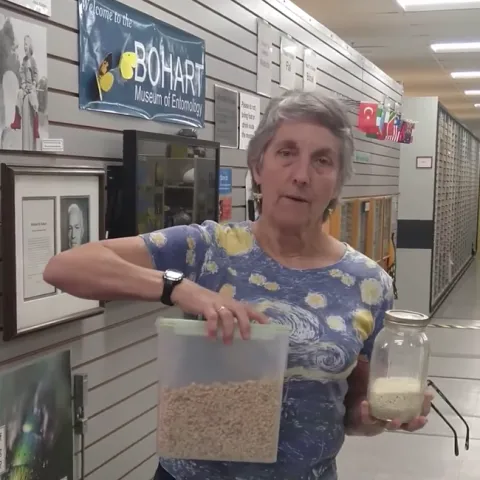
A row of honey jars. (Photo by Kathy Keatley Garvey)
Bug Squad: Article

Still Time to Register for UC Davis Honey Adulteration Symposium

March 24, 2021
By Kathy Keatley Garvey
There's still time to register for the online Honey Adulteration Symposium, hosted by the UC Davis Honey and Pollination Center and featuring keynote speaker Michael T. Roberts of the Resnick Center for Food Law and Policy at the UCLA School of Law. The 2.
View Article
Santa Cruz County: Article

4-H Newsletter March 23,2021

March 24, 2021
We are having some computer issues, so here is the Santa Cruz 4-H program newsletter. Please see attached for updates.
View Article