A Natural Solution for California's Herds: African Catfish Peptides

California's cattle producers and agricultural communities are all too familiar with the rising challenge of antibiotic resistance, making common bacterial infections harder to treat in livestock. But imagine a future where we could tackle these infections with a natural, powerful alternative. Our research points to just that: antimicrobial peptides (AMPs) found in African catfish.

We're really excited about these peptides because African catfish thrive in pathogen-rich freshwater, naturally producing these robust immune compounds in their skin mucus as a defense. This natural origin makes them highly appealing alternatives to synthetic drugs.

Predicted Safety and Potent Action

One of the most compelling aspects of these AMPs is their predicted safety for mammals. Our initial computer analyses suggest that various catfish AMPs are generally recognized as safe (GRAS). We predict they'll be absorbed in the human intestine without causing liver, brain, or heart toxicity. Furthermore, lab tests on a promising peptide, NACAP-II, confirmed it was non-hemolytic, meaning it didn't damage rabbit red blood cells—a strong indicator of its potential safety for mammalian cells.

Beyond safety, these peptides demonstrate effectiveness against problematic bacteria. One study revealed NACAP-II's strong activity against Extended-Spectrum Beta-Lactamase (ESBL)-producing Escherichia coli—a critical concern for both animal and human health due to its resistance to many common antibiotics. Another peptide, ACAP-IV, also showed antibacterial activity against E. coli and Staphylococcus aureus. We believe these AMPs work by directly disrupting bacterial cell membranes, a mechanism that makes it harder for bacteria to develop resistance compared to how they resist traditional antibiotics.
Primary Image
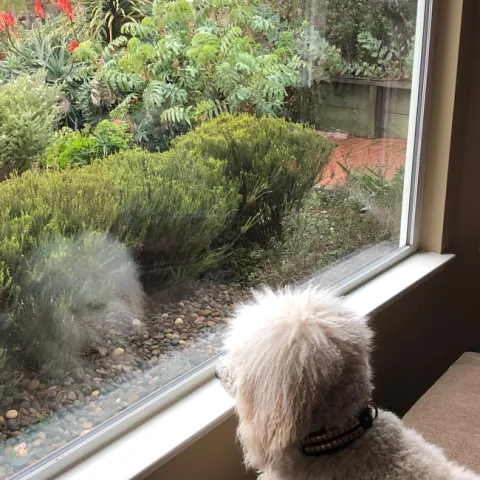
honeybush
Under the Solano Sun: Article

Jurassic Park Escapee: Honeybush

January 25, 2019
Melianthus major is the proper name of my honeybush, but it really deserves a more exotic moniker. This plant is endemic to South Africa and has naturalized in India, Australia, and New Zealand, and it does quite nicely here in Solano County.
View Article
Primary Image
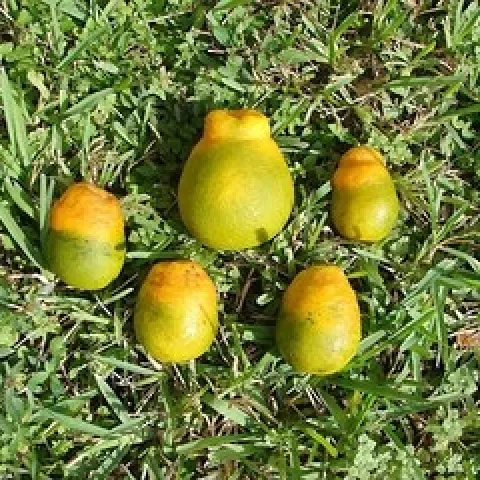
hlb defprmed citrus
Topics in Subtropics: Article

ACP and HLB News

January 25, 2019
By Ben A Faber
News from the Ventura County ACP-HLB Task Force Winter 2019 area-wide treatment cycle has begun This is a reminder that the Winter 2019 area-wide management (AWM) treatment window opened Jan.7.
View Article
Primary Image
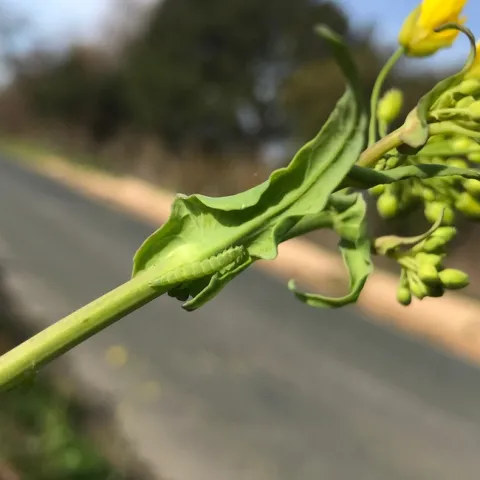
Fig. 1. Diamondback caterpillar spotted on a secondary branch of a brassica weed by the side of Blackie Road, Castroville, CA. Photo by E. Garcia.

Weeds serving as alternative hosts for diamondback moth

January 24, 2019
Diamondback moth (DBM) is a persistent pest in the Salinas-Castroville area. We were able to find late instar caterpillars in several spots along Blackie road on Tuesday January 22nd. Basically, these caterpillars were feeding on brassica weeds, located along the side of the road (Fig. 1).
View Article
Primary Image
Have you seen a cabbage white butterfly yet this year? This image, taken last summer in Vacaville, shows a cabbage white butterfly trying to share a blossom with a honey bee. (Photo by Kathy Keatley Garvey)
Bug Squad: Article

No Rapae Today! Maybe Tomorrow?

January 24, 2019
By Kathy Keatley Garvey
No winner yet. The annual Beer for a Butterfly" or "Suds for a Bug" contest has not produced a winner. But somewhere out there, is a cabbage white butterfly taking its first flight.
View Article
Primary Image
Jennifer Goerlitz
ANR Employee News: Article

In memoriam: Jennifer Goerlitz

January 24, 2019
By Pamela S Kan-Rice
Jennifer Goerlitz, 4-H youth development program representative for Calaveras County, passed away Dec. 17, 2018. She was 54. Goerlitz was the 4-H program coordinator for Calaveras County for 30 years, first with Calaveras County. She transitioned to UC Cooperative Extension in 2012.
View Article
Primary Image
FRB eggs are found under the calyx
Lindcove Research and Extension Center News: Article

Fuller Rose Beetle Insecticide Trial at Lindcove

January 24, 2019
By Elizabeth Grafton-Cardwell
Dr. Beth Grafton-Cardwell's entomology staff researchers Stephanie Doria, Joel Leonard, and Matt Morris as well as Lindcove staff researcher Sal Barcenas have been on the hunt for Fuller rose beetle eggs in an experiment at Lindcove.
View Article
Primary Image
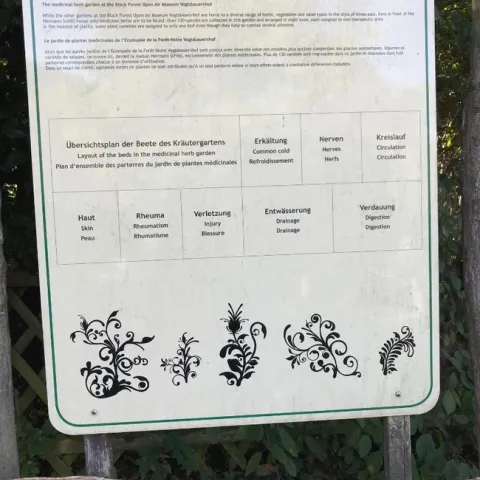
Gutach medicinal
Under the Solano Sun: Article

Gutach

January 24, 2019
One of the highlights of our trip to Germany in October was a trip to the Black Forest Open-air Museum Vogtsbauernhof at Gutach.
View Article